Skip to content
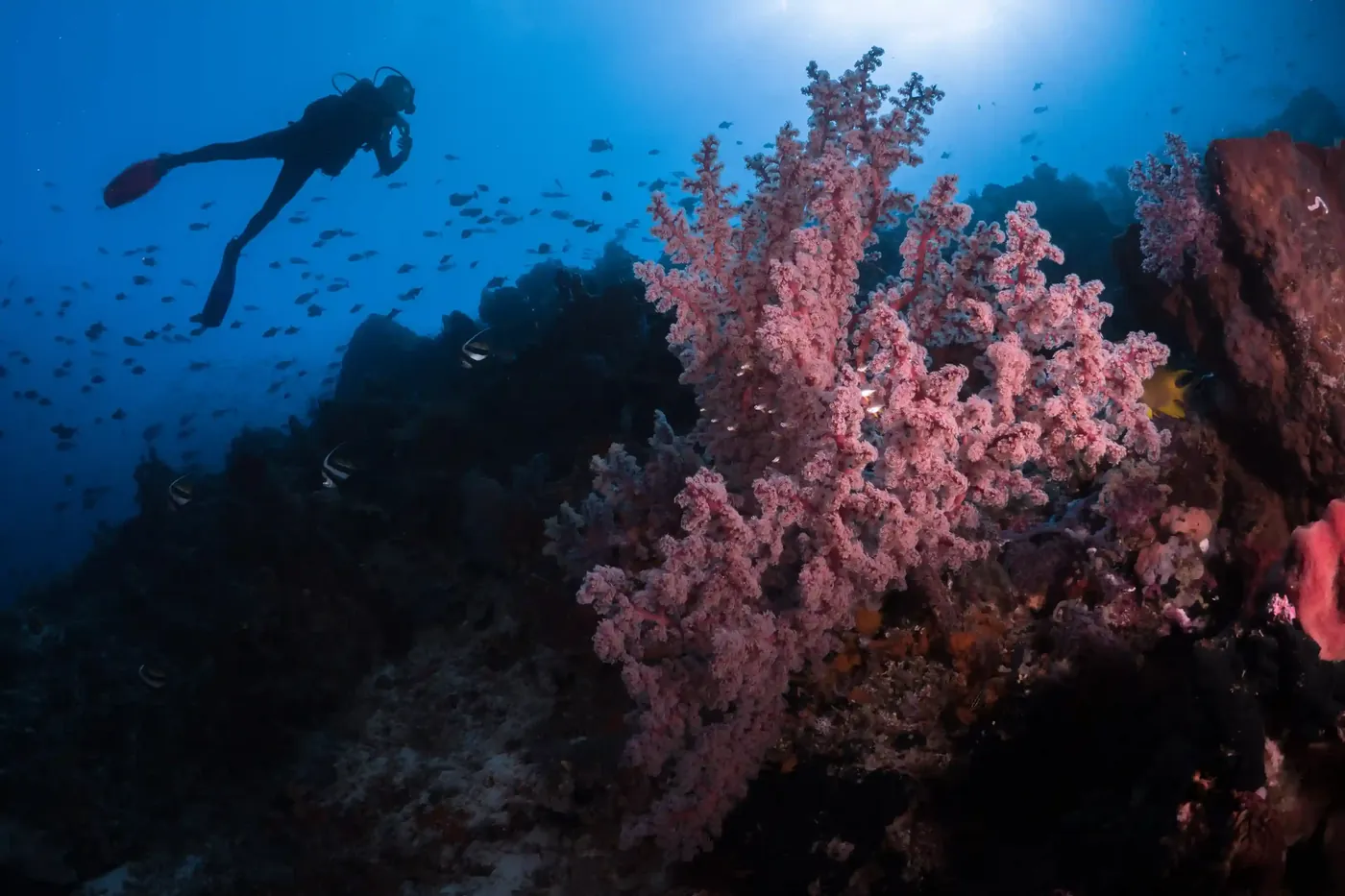
A diver above a reef wall thick with pink Dendronephthya soft coral, schooling fish in the blue behind

Silo 2 · Destination

What Lives on the Misool Reefs

Three-quarters of every coral species known to science, on a reef that has been protected long enough to show what that actually looks like.

coral species — about 75% of all known
550+ coral species — about 75% of all known
reef fish species recorded
1,500+ reef fish species recorded
species of mollusc
700 species of mollusc
biomass recovery in a decade
250% biomass recovery in a decade

Why the density

A Reef Running at Full Capacity

The sound underwater here is not silence. It is a constant crackle — invertebrates feeding, at a density you only get on a reef that has not been fished. Misool has been a no-take zone since 2005, patrolled by rangers from the local community, and the difference is measurable rather than atmospheric: fish biomass measured 250% higher after one decade of protection. What that buys a diver is simple. The big animals are still here, and they are not skittish.

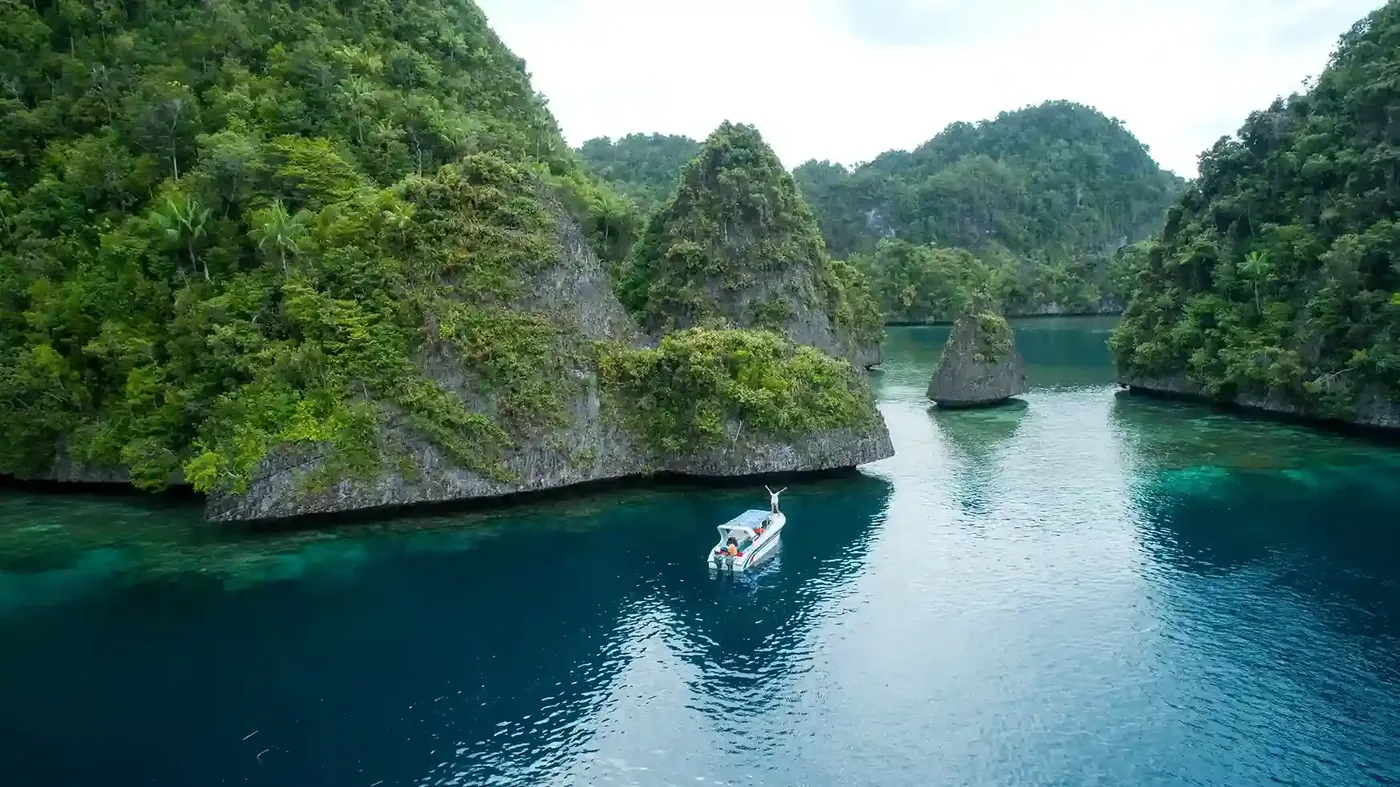
A tender running the narrow channel between two towering jungle-topped limestone walls
Water
28-30°C year round
Manta peak
December to February
Visibility
Often past 25 m, up to 40 m in season
What drives it
Nutrient-rich water off the Seram Sea
Protection
1,220 km² no-take zone since 2005
Best for
Wide-angle on the walls, macro in the caverns

What you see

Six Things Worth Getting in the Water For

Not a species list. These are the encounters the sites are actually planned around.

Where to find them
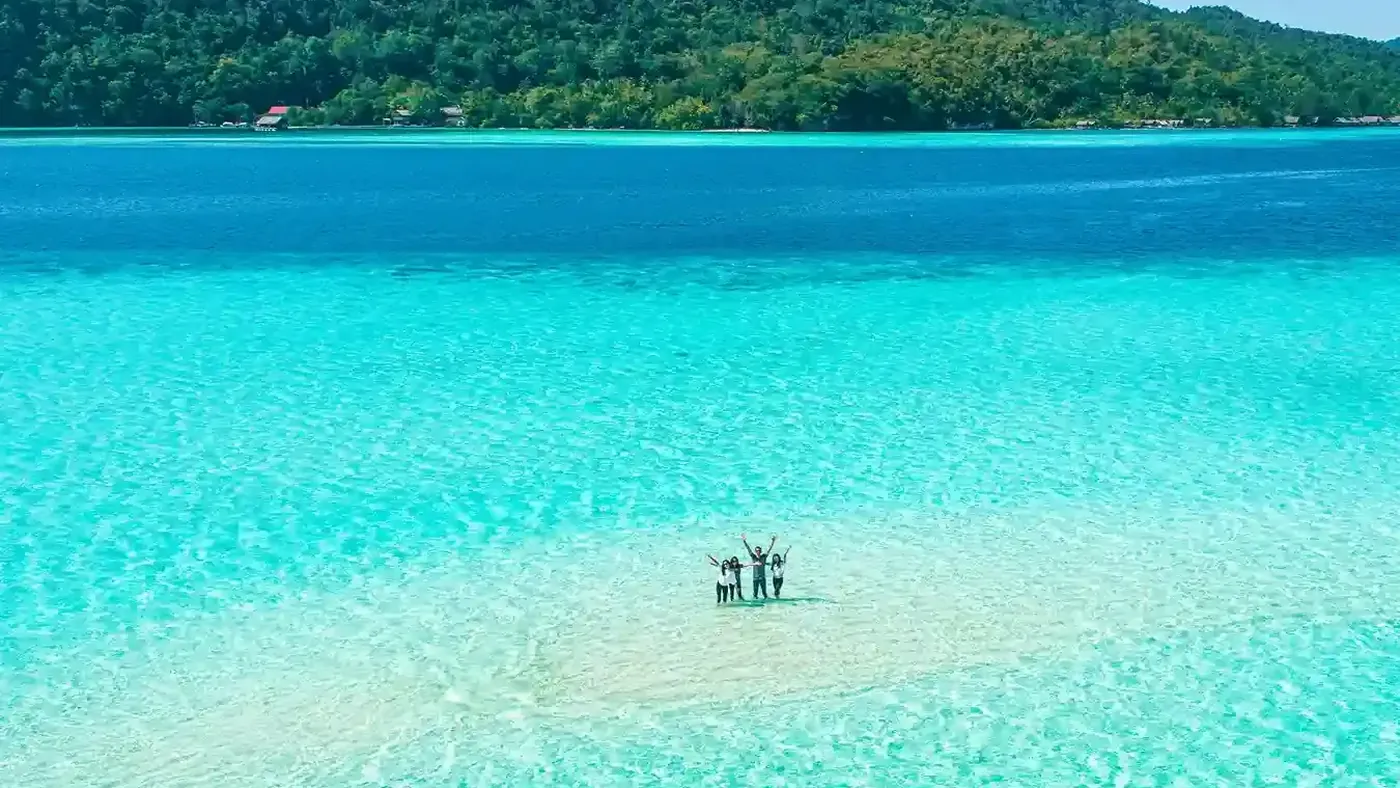
A pale sandbar surfacing in shallow turquoise water, with a jungle-covered island beyond

Oceanic and reef mantas

Magic Mountain · Fiabacet

Magic Mountain is one of very few places where both Manta birostris and the smaller Manta alfredi use the same cleaning station. Five-metre wingspans, holding position metres away while cleaner wrasse work their gills. Best on a running tide, peaking December to February.
Soft coral walls

Boo Windows · Yilliet · Farondi

Dendronephthya in ochre, violet and crimson, draped over walls that drop past 30 m. Some colonies grow to sizes that make a diver look small. This is what the wide-angle lens is for.

Walking sharks

Wayilbatan · Fiabacet shallows

Hemiscyllium halmahera, endemic to this corner of Indonesia, using its fins to walk the reef rather than swim it. Camouflaged on soft coral and sponge, and worth the slow pass to find.

Macro on the walls

Yilliet Kecil · Wayilbatan

Denise's pygmy seahorse at about 1.5 cm on the gorgonian fans, ornate ghost pipefish, and nudibranchs in numbers — over fifty species recorded in the region. Dives here run long, to 70 minutes.

Reef sharks and pelagics

the pinnacles · in the current

Grey, blacktip and whitetip reef sharks patrolling the crest, chevron barracuda in a silver vortex, giant trevally hunting hard in the blue. Wobbegongs flat on the sand where the current eases.

Schooling fish

everywhere, all week

Fusiliers, snappers, sweetlips and batfish under the overhangs, glassfish parting and reforming around the coral heads. Anthias and damselfish so dense the reef appears to move.

Nothing here is guaranteed. Mantas keep their own schedule, and a guide who promises them is a guide worth being wary of.

Seeing more of it

Three Things That Change What You See

The reef is the same all year. What you get out of it is not.

When you come

October to April brings the calmest seas and the clearest water. Manta activity peaks December to February; May to September still dives well but with more wind.

Best time to dive

What you shoot with

Wide-angle for the walls and the mantas, macro for the caverns. The camera room takes both, and the guides spot rather than lead when you ask them to.

Packing guide

Who is guiding you

Four divers per guide, not six. That is the difference between being shown a 1.5 cm seahorse and swimming past it.

Safety and standards

Where to go next

See It For Yourself

Every route is a private trip, and which of these you meet depends on where and how long you dive.

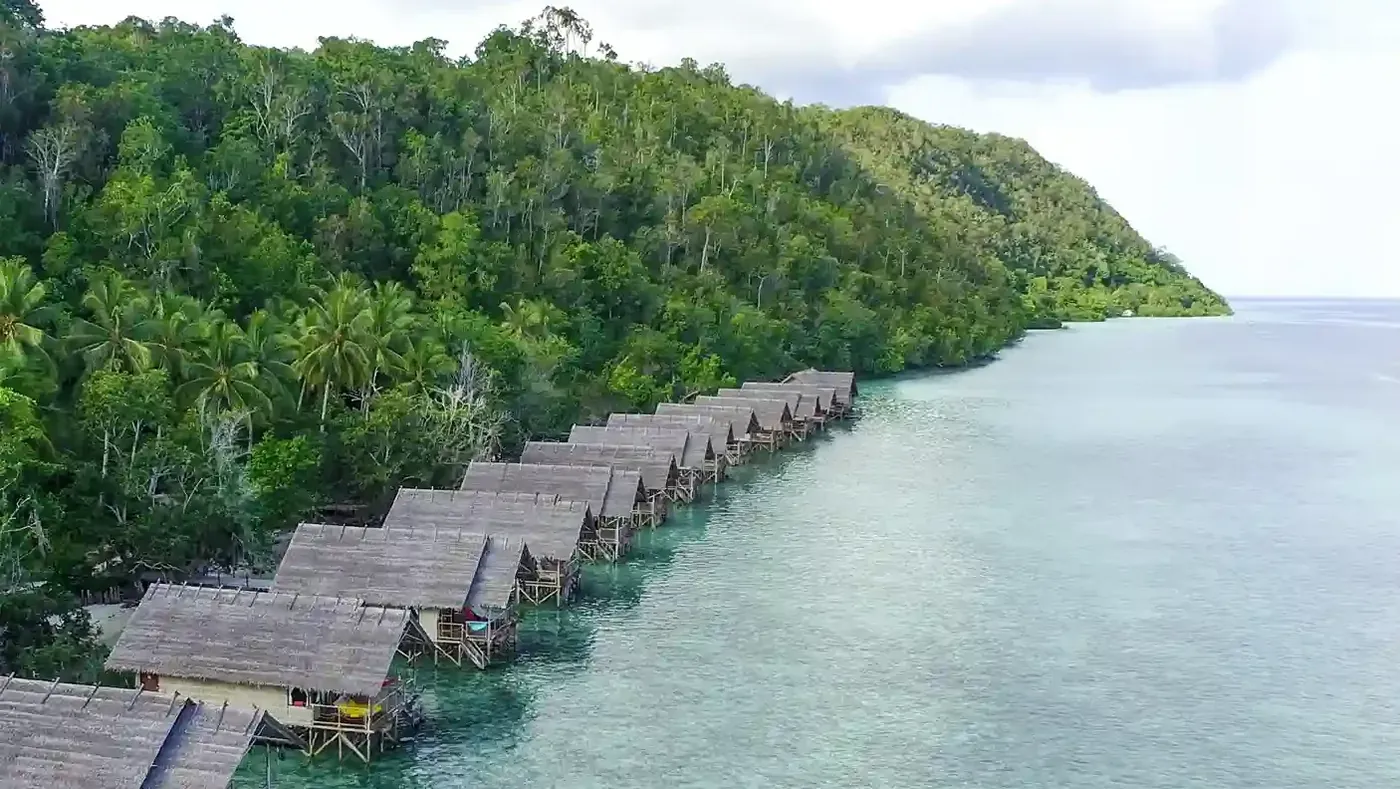
A long timber jetty running out from the treeline over clear shallow water

Silo 2

The dive sites

Seven sites, with depths, currents and what each one is known for.

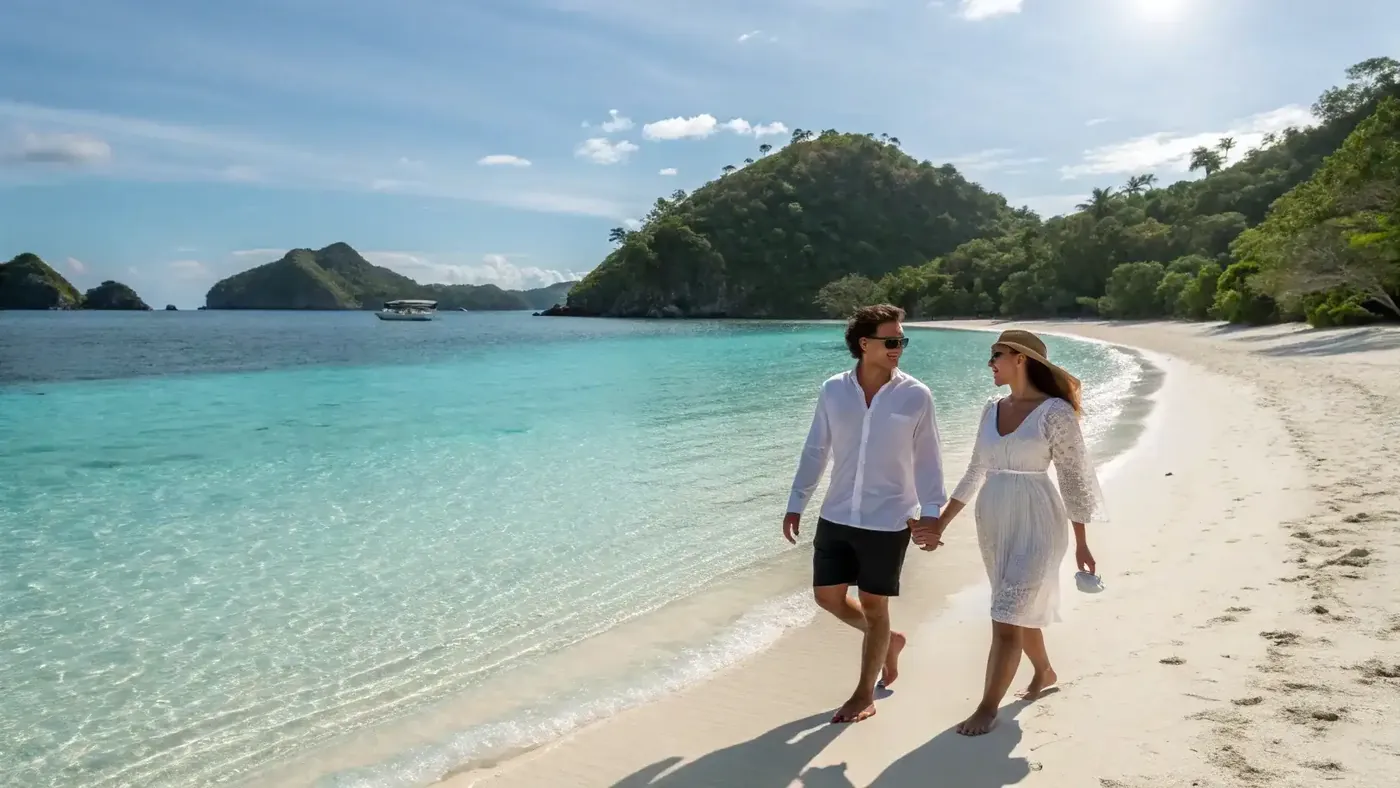
Two guests walking a quiet white-sand beach, karst headlands and moored boats behind them

7 days

Southern Archipelago

The full route, out to the eastern pinnacles where the pelagics are.

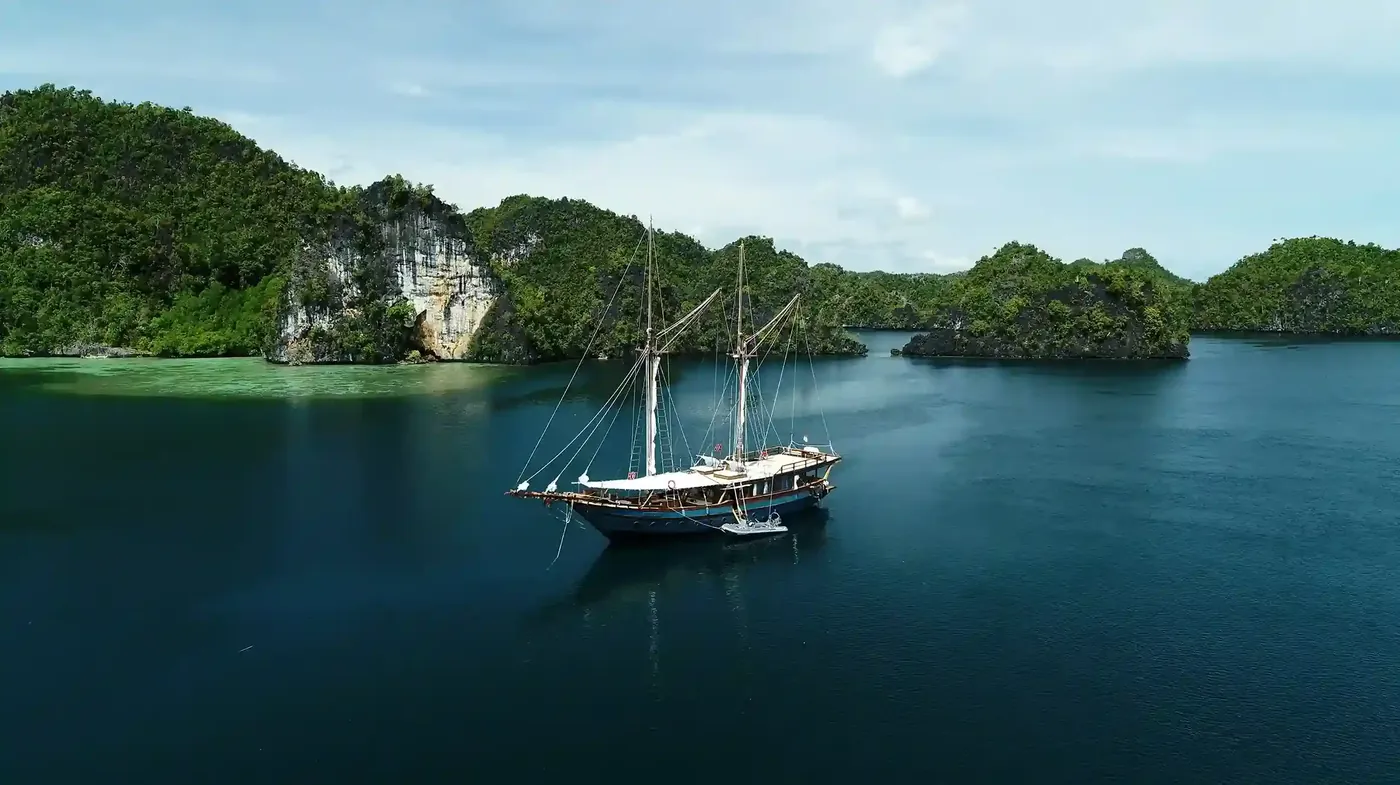
A masted phinisi lying at anchor in still water below the forested cliffs of Raja Ampat

Bespoke

Build your own

Chasing one animal in particular? Say so, and we build the week around it.

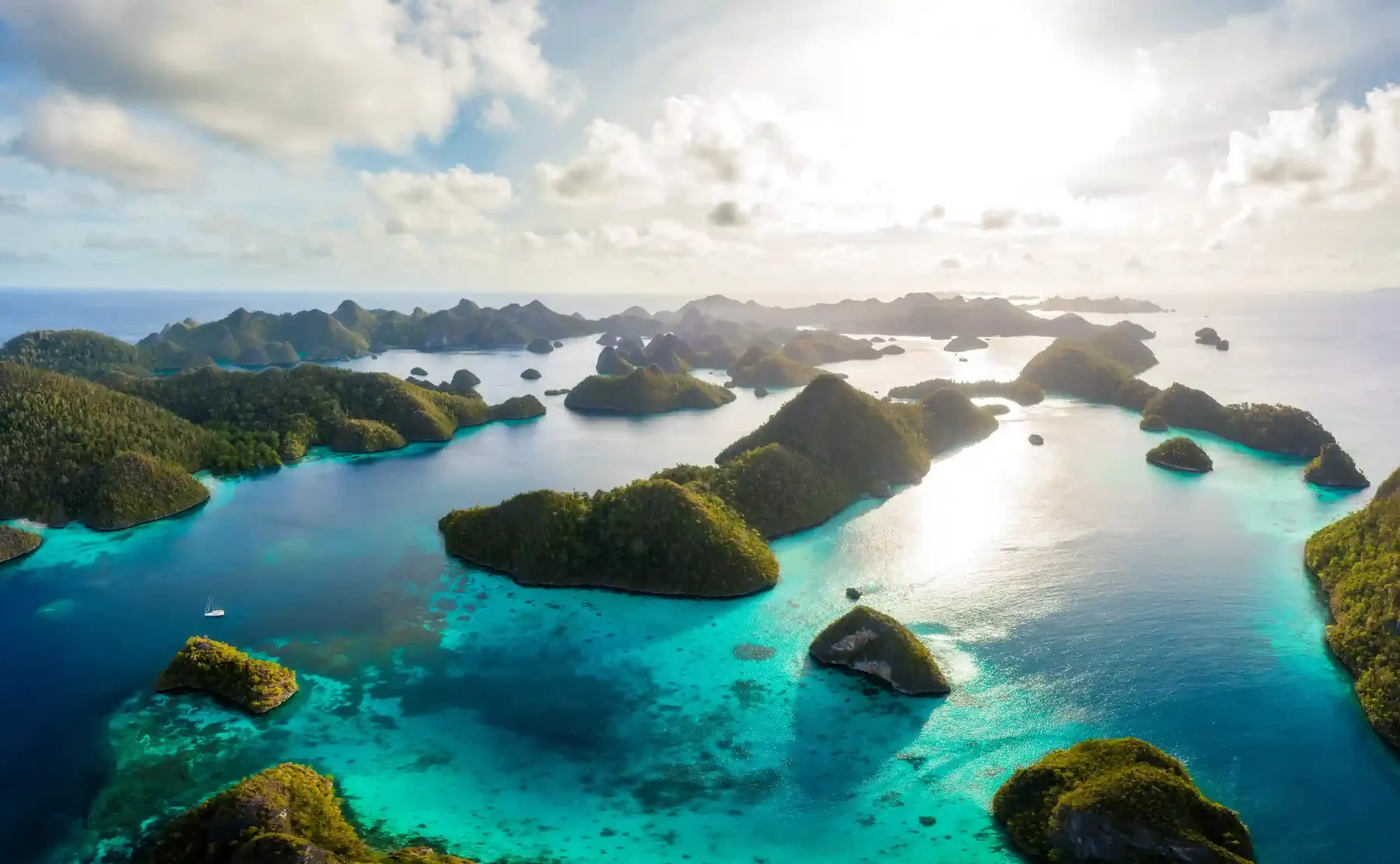
Sunlight breaking over the limestone karst islands and turquoise lagoons of Raja Ampat, seen from the air

Ready when you are

Get in the Water

Prime season runs October to April and each departure takes twelve people at most. Tell us the month and we will tell you honestly what is left.