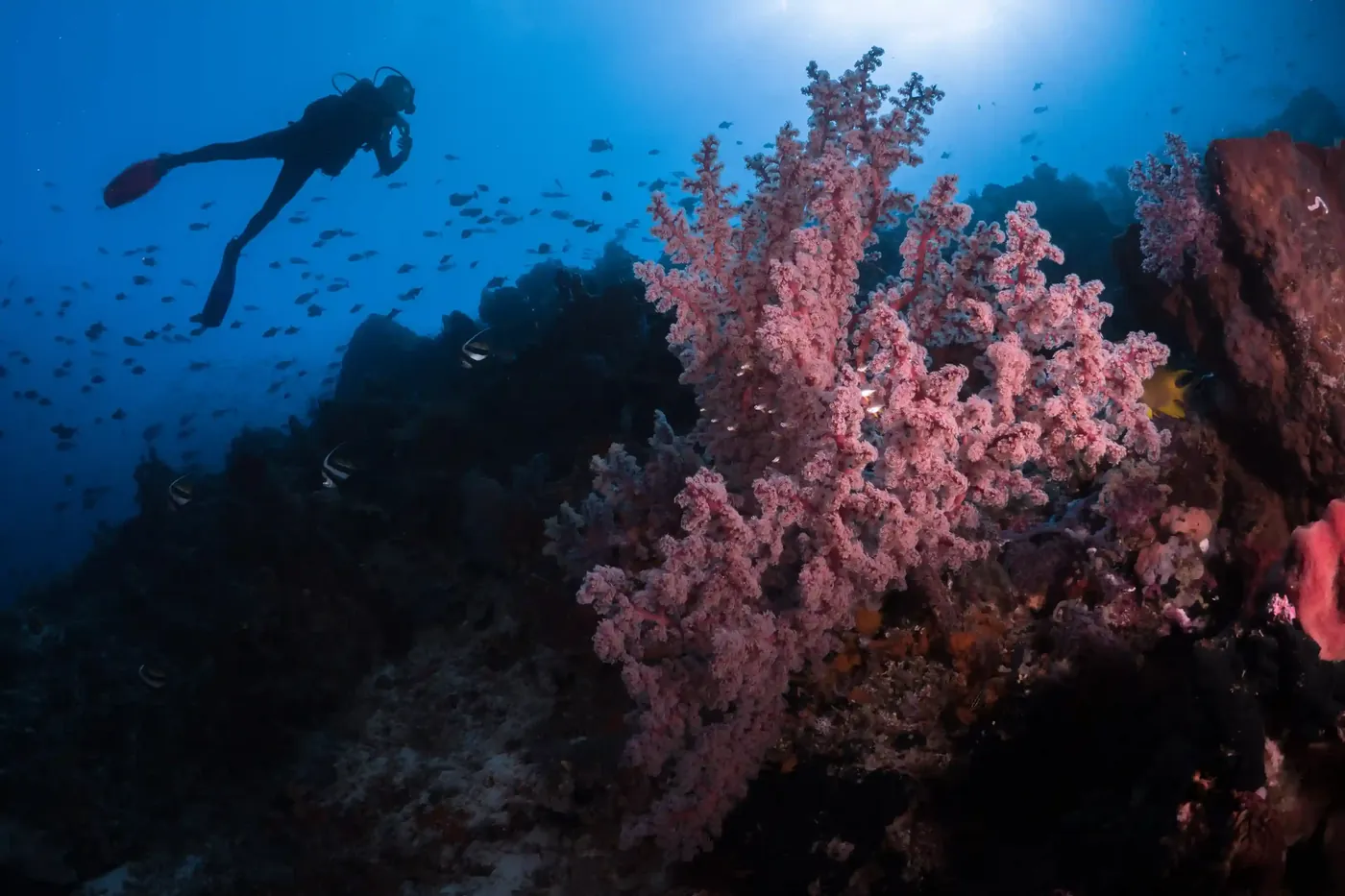
- Witness over 1,500 fish species and 700 coral species in a single dive.
- Experience a commitment to conservation, funding local initiatives and anti-poaching patrols.
- Enjoy luxurious, eco-friendly accommodation on a private island, far from the crowds.
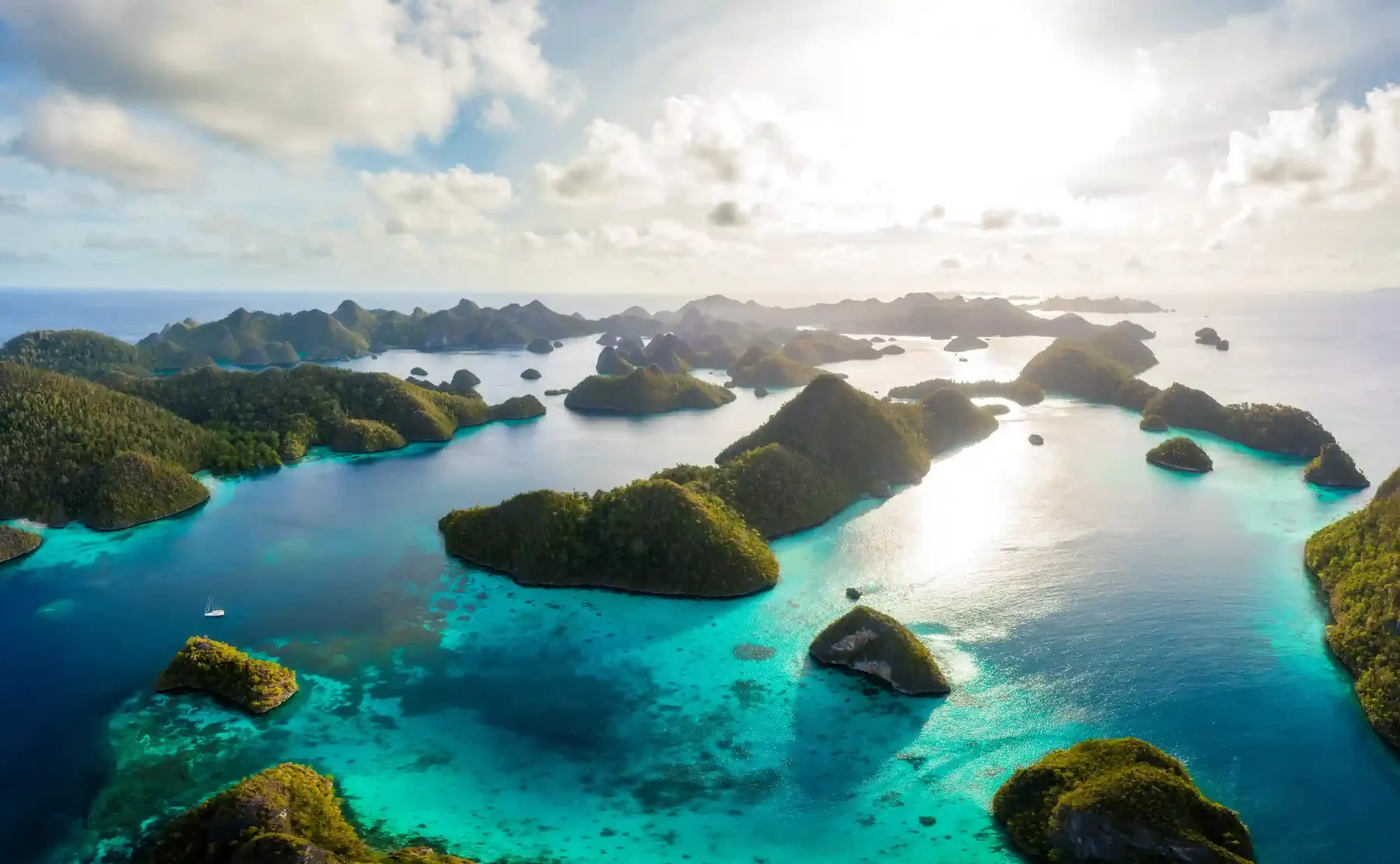
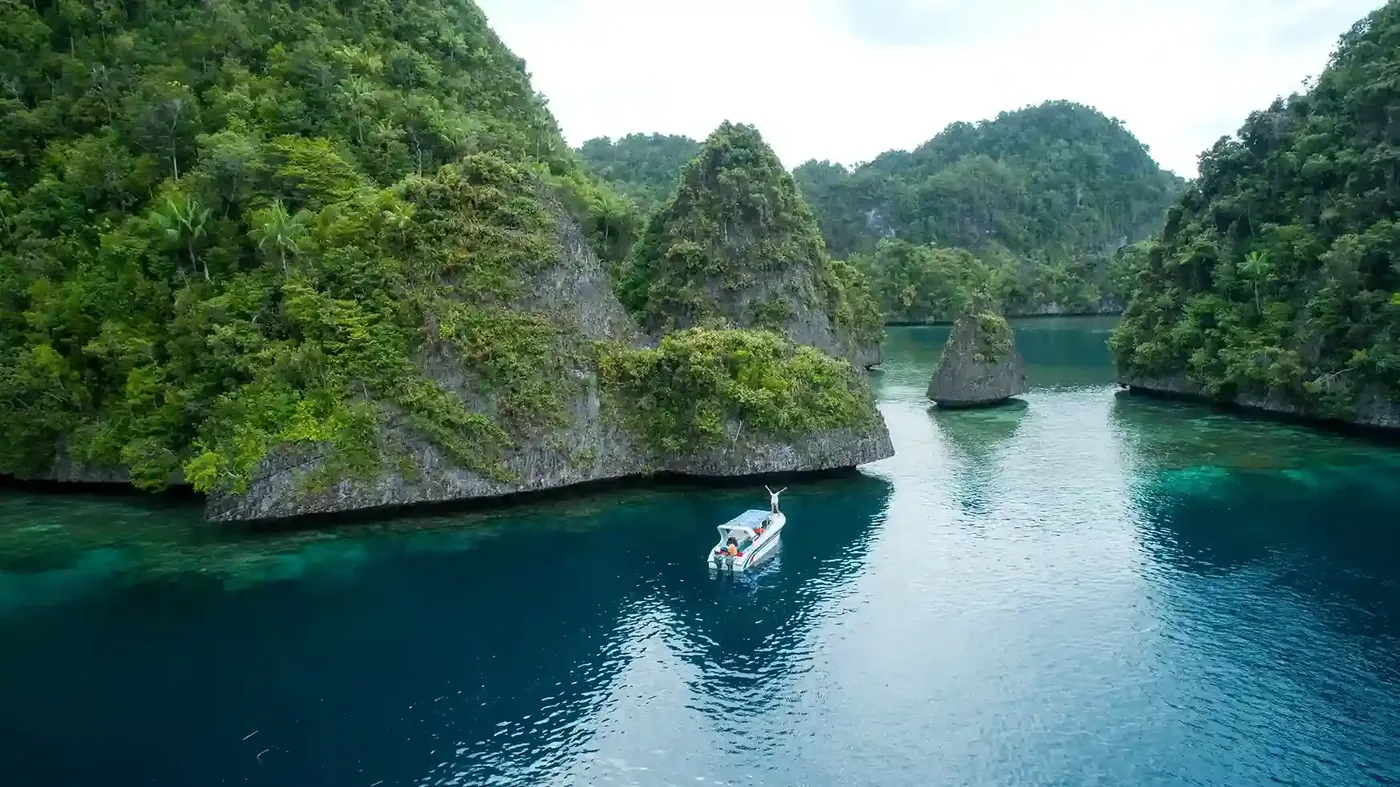
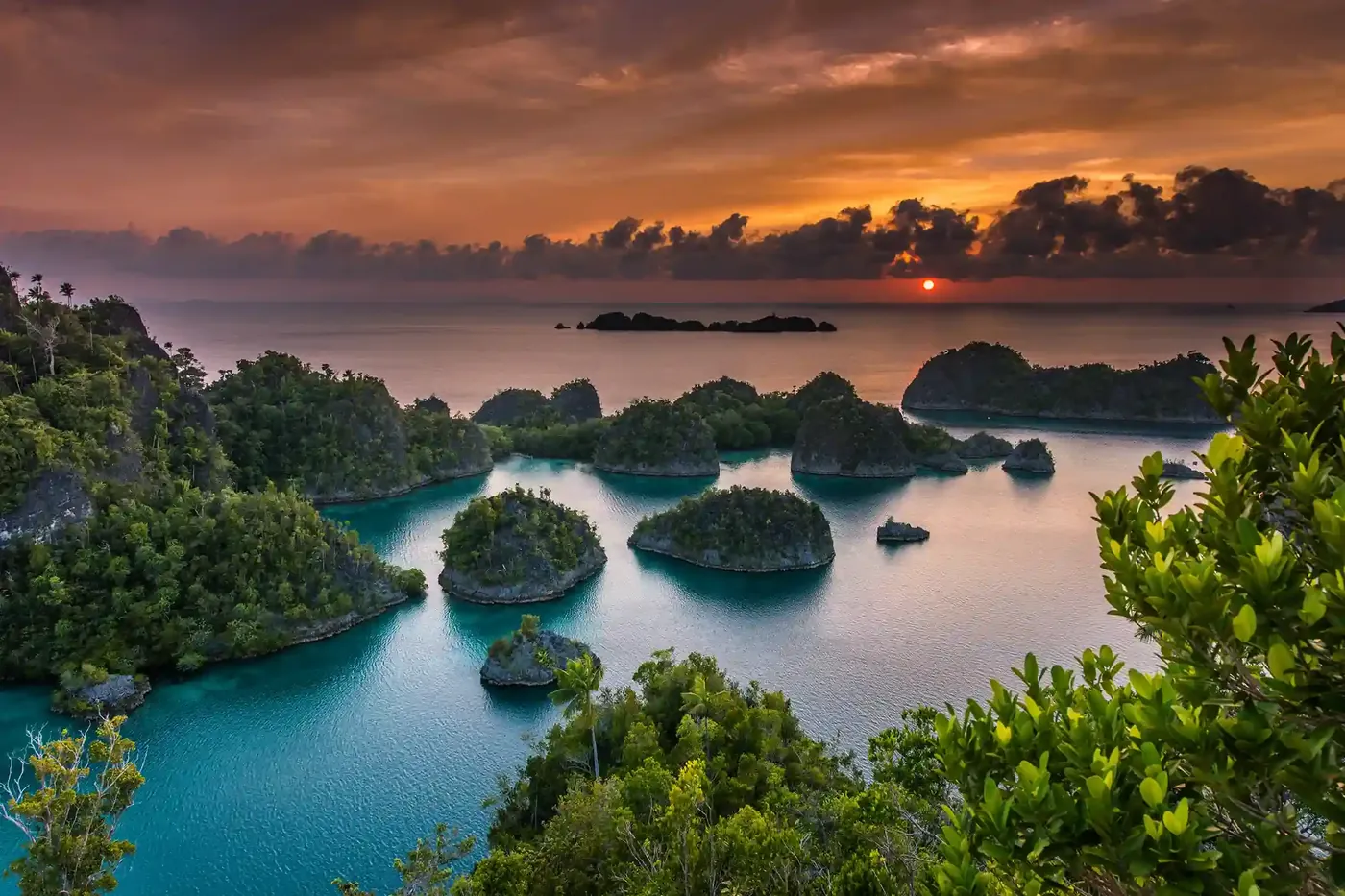
The humid air, thick with the scent of salt and ancient rainforest, wraps around you as your speedboat slices through a turquoise expanse. Limestone karsts, draped in emerald foliage, rise dramatically from the glassy surface, their sheer faces hinting at millennia of geological artistry. Below, a world of unimaginable color pulses with life, a symphony of coral and creature awaiting your descent. This is Misool, the beating heart of Raja Ampat, where every breath underwater is a revelation, and the very concept of “pristine” finds its truest definition. As senior travel editors at Condé Nast Traveler, we understand the discerning diver’s quest for the extraordinary. Here, we offer an honest comparison: when Misool Diving is your unequivocal choice, and when other Indonesian wonders might align better with your journey.
The Misool Advantage: Unparalleled Biodiversity & Isolation
Choosing Misool Diving means committing to an experience that transcends mere underwater exploration; it’s an immersion into an ecological marvel. Within the Misool region, the density of marine life is simply staggering. This isn’t hyperbole; scientific surveys consistently place Raja Ampat at the apex of marine biodiversity globally. On a single dive at sites like “Boo Windows” or “Magic Mountain,” you might encounter an astonishing 300 different reef fish species, a number that dwarfs many entire Caribbean reefs. The area boasts over 75% of all known coral species, a fact that becomes vividly clear as you drift past kaleidoscopic gardens of hard and soft corals, spanning depths from mere meters to over 30. The Misool Eco Resort, built entirely from reclaimed timber, sits within a 1,220-square-kilometer Marine Protected Area (MPA) and a 300-square-kilometer No-Take Zone (NTZ), established in 2005. This proactive conservation effort has led to a remarkable 250% increase in biomass over its initial decade, a testament to its effectiveness. The journey here is part of the allure – a scenic transfer from Sorong, often involving a 4-hour boat ride, underscores its remote, undisturbed nature. This isolation is precisely what preserves its magic, ensuring that your encounters with manta rays, wobbegong sharks, and pygmy seahorses feel genuinely intimate and uncrowded.
A Sanctuary of Sharks and Mantas
One of Misool Diving’s most compelling draws is its thriving population of sharks and manta rays. The establishment of the no-take zone has transformed the area into a sanctuary where these apex predators flourish. During a typical week, divers frequently encounter blacktip and whitetip reef sharks, often patrolling the vibrant reef edges. Lucky divers might spot the enigmatic wobbegong shark, perfectly camouflaged on the seabed, or even the occasional majestic whale shark passing through. The clear waters around Misool are also a prime location for both oceanic and reef manta rays. Dive sites such as “Magic Mountain” serve as cleaning stations and feeding grounds, offering consistent opportunities to observe these gentle giants gliding gracefully overhead. The sheer volume of large pelagic life here, protected by stringent regulations and the resort’s dedicated anti-poaching patrols, makes every dive an anticipation-filled adventure. It’s not uncommon to witness over a dozen manta rays congregating at a single site, a truly humbling spectacle. This commitment to protecting marine megafauna sets Misool apart, making it a dream destination for those passionate about large animal encounters.
For the Ultimate Eco-Conscious Diver: Misool’s Conservation Ethos
For the diver whose values extend beyond breathtaking visuals to encompass genuine environmental stewardship, Misool Diving presents itself as more than just a luxury resort; it’s a profound statement. The Misool Eco Resort operates on a philosophy deeply rooted in conservation, actively funding and managing the Raja Ampat Shark and Manta Sanctuary. Their commitment is tangible: they employ over a dozen local rangers who patrol the vast no-take zone 24/7, enforcing regulations that protect the incredibly rich marine life. This direct action prevents illegal fishing and maintains the integrity of the ecosystem. The resort itself is a model of sustainable luxury. Constructed entirely from recycled and reclaimed materials, it minimizes its footprint on the delicate environment. All wastewater is treated on-site, and solar power augments its energy supply. The resort’s partnership with local communities is also a cornerstone of its ethos, providing employment for approximately 90% of its staff from nearby villages. Every dollar spent on your Misool Diving adventure directly contributes to these vital conservation efforts, creating a virtuous cycle where luxury tourism fuels ecological preservation. This isn’t just a vacation; it’s an investment in the future of one of Earth’s last marine frontiers. For more insights into their impactful work, visit the Misool Foundation website.
When to Choose Misool: The Pursuit of Pristine Wilderness & Luxury Seclusion
Misool Diving is the definitive choice for the discerning traveler seeking an uncompromising blend of pristine wilderness, world-class diving, and luxurious, yet understated, seclusion. If your ideal escape involves disconnecting entirely from the outside world, immersing yourself in unparalleled natural beauty, and experiencing marine biodiversity at its absolute peak, then Misool is calling. This is for the diver who prioritizes healthy, vibrant reefs teeming with life over accessibility or a wide array of non-diving activities. The resort offers a unique island experience, where your day revolves around exceptional dives, gourmet meals prepared with locally sourced ingredients, and the serene rhythm of island life. There are no bustling towns, no souvenir shops, and certainly no crowds. Guest numbers are strictly limited, often to fewer than 30 at any given time, ensuring an intimate atmosphere and personalized service. The journey to Misool, while longer, filters out casual tourists, leaving a community of like-minded individuals who truly appreciate the privilege of being in such a remote and protected place. Expect an investment, with typical 7-night packages starting around $5,000-$7,000 per person, reflecting the logistical complexity and the unparalleled quality of the experience. If your vision of luxury includes waking up to the sound of waves, diving into an aquarium-like ocean, and knowing your presence supports vital conservation, then your search ends here. Discover the Misool experience.
Alternative: Komodo National Park – Giants & Currents
While Misool offers an unrivaled reef experience, Komodo National Park presents a compelling alternative, particularly for those drawn to encounters with larger pelagics and a different kind of natural spectacle. Located in the Lesser Sunda Islands, Komodo is globally famous for its namesake, the Komodo Dragon, a prehistoric giant that roams its arid islands. Underwater, Komodo’s diving is characterized by strong, nutrient-rich currents that attract an incredible array of marine life, including large schools of fish, numerous reef sharks, and consistent sightings of manta rays at iconic sites like Manta Point. The topography here is rugged, with dramatic pinnacles and drift dives being common. Unlike Misool, which is primarily a resort-based experience, Komodo is predominantly explored via liveaboard boats. These vessels offer the flexibility to visit multiple islands and dive sites across the expansive park, often combining diving with land excursions to see the dragons. A typical 7-day liveaboard trip can range from $2,500 to $6,000 depending on the vessel’s luxury level. While Komodo’s biodiversity is exceptional, with over 1,000 fish species and 260 coral species, it doesn’t quite match Raja Ampat’s sheer density. The currents can also be challenging, making some sites more suitable for experienced divers. If you seek the thrill of powerful drifts, guaranteed manta sightings, and the unique opportunity to see the world’s largest lizard, Komodo offers an unforgettable adventure. Explore more about Indonesia’s diverse offerings at Indonesia.travel.
Alternative: Bali & Lombok – Accessibility & Diverse Experiences
For travelers prioritizing accessibility, a broader range of activities beyond diving, and a more varied price point, Bali and Lombok emerge as strong contenders. These islands, easily reached with direct international flights into Denpasar (DPS), offer a dramatically different travel experience than the remote reaches of Raja Ampat. While their marine ecosystems don’t boast the same pristine, untouched quality as Misool Diving, they provide excellent diving opportunities for all skill levels. Bali, in particular, is renowned for the USAT Liberty wreck in Tulamben, a spectacular shore dive teeming with marine life, and Nusa Penida, where divers frequently encounter Mola Mola (oceanic sunfish) during specific seasons (July-October) and manta rays year-round. Lombok offers quieter, equally appealing dive sites around the Gili Islands and the south coast. Beyond the water, these destinations provide a rich tapestry of cultural experiences, from ancient temples and traditional ceremonies to vibrant culinary scenes and wellness retreats. A week-long trip, including diving and land excursions, can range from $1,500 to $4,000 per person, offering significant flexibility. The infrastructure is well-developed, with countless resorts, restaurants, and tour operators catering to every preference. If your journey includes non-diving companions, or if you desire a mix of underwater exploration with cultural immersion, surfing, or simply relaxing on a vibrant beach, Bali and Lombok offer a compelling, multifaceted Indonesian adventure. Read our Bali diving guide.
Alternative: Liveaboards Across the Archipelago – Mobility vs. Fixed Base
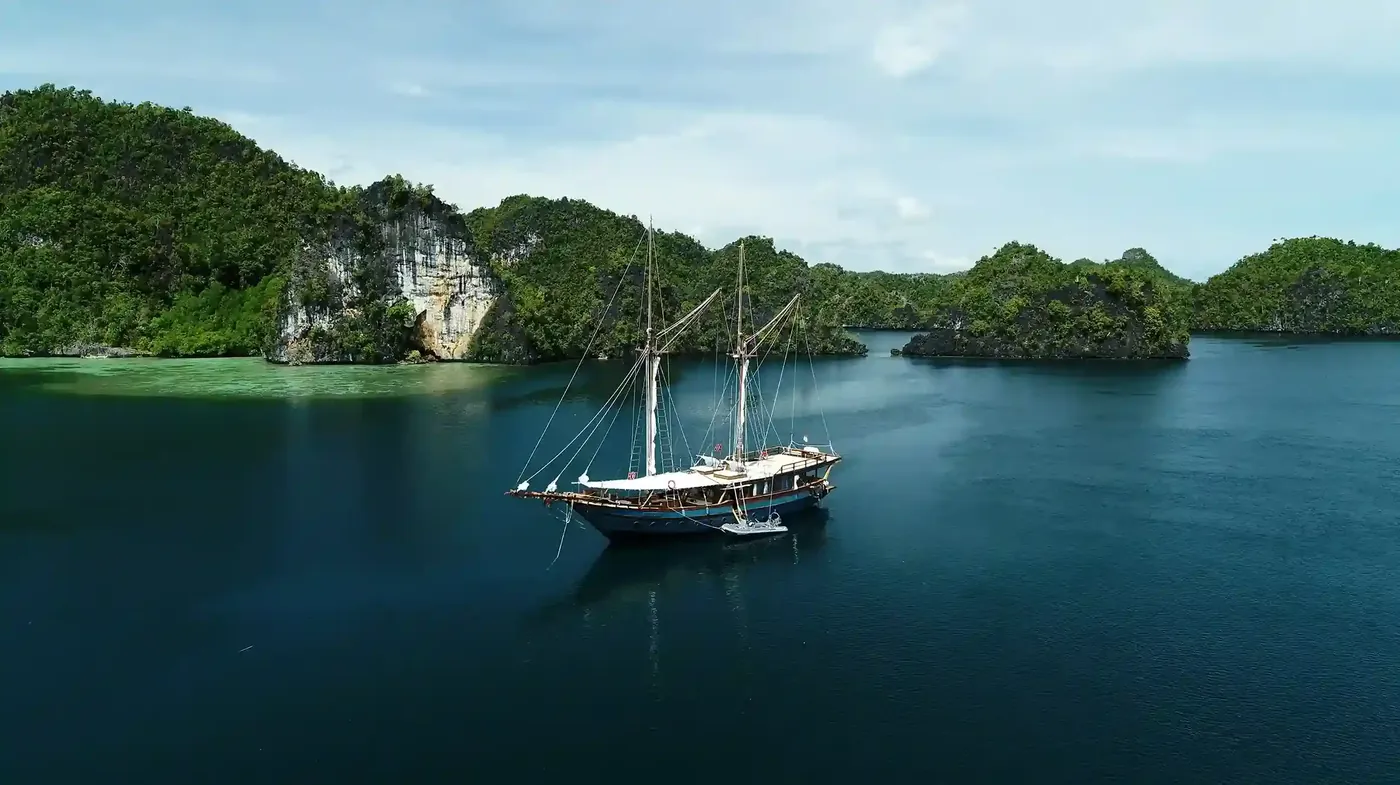
Another significant alternative to a fixed-base luxury resort like Misool Eco Resort is the liveaboard experience, particularly prevalent across the entire Indonesian archipelago. Liveaboards offer unparalleled mobility, allowing divers to explore vast, remote areas and multiple dive sites that are inaccessible from land-based operations. From the Banda Sea’s historical Spice Islands to the pristine reefs of Alor and the unexplored corners of Raja Ampat itself, a luxury liveaboard provides a moving hotel that delivers you directly to the best diving action. These vessels range from traditional Phinisi schooners, beautifully crafted from ironwood, to modern, purpose-built yachts, often featuring exquisite cabins, gourmet dining, and top-tier dive facilities. The advantage lies in the sheer volume and variety of diving. On a 10-day liveaboard, you might complete 30-35 dives across a wide geographical spread, maximizing your underwater exposure. However, this mobility comes with trade-offs. You sacrifice the stable, expansive comfort of a private villa and the ability to truly unpack and settle into a “home away from home.” While luxury liveaboards offer exceptional service, the space is inherently more confined than a resort island. Furthermore, the commitment to a specific itinerary means less flexibility in daily choices compared to a resort where you might opt for a spa treatment or a leisurely beach day. A high-end 7-10 day liveaboard can cost anywhere from $4,000 to $10,000 per person, depending on the boat and itinerary. If your priority is maximizing dive time and exploring the most remote, diverse sites across a region, a luxury liveaboard is a formidable option. For an overview of Indonesia’s maritime heritage, consult Wikipedia on Phinisi.
When Misool Might Not Be Your First Choice: Practicalities & Priorities
While Misool Diving offers an unparalleled experience, there are specific scenarios where it might not align with every traveler’s priorities or practical considerations. Firstly, the journey itself requires commitment. Reaching Misool involves flying to Sorong (SOQ) in West Papua, often requiring multiple connecting flights, followed by a significant speedboat transfer of approximately 4 hours. This extended travel time and logistical complexity can be a deterrent for those with limited vacation days or an aversion to long journeys. Secondly, the cost, while justified by the exclusivity and conservation impact, is at the higher end of luxury travel, typically starting around $5,000-$7,000 per person for a week. This might exceed the budget for some travelers, especially those seeking a more budget-conscious dive vacation. Thirdly, while the diving is world-class, the resort is intentionally remote and offers a focused experience. If your travel desires include a vibrant nightlife, extensive cultural excursions, shopping opportunities, or a wide array of non-diving activities (beyond kayaking, paddleboarding, and jungle treks), Misool’s serene isolation might feel too restrictive. The lack of cellular service and limited internet access, while a blessing for digital detox, can be a challenge for those needing to stay connected. Finally, while Misool welcomes divers of all levels, the sheer abundance of life and potential for currents at some sites are best appreciated by those with some experience. If you are a complete novice seeking very calm, shallow, easy-entry dives as your primary focus, other destinations might offer a gentler introduction.
Your journey to Misool is more than a trip; it’s a pilgrimage to one of Earth’s last bastions of marine biodiversity, an investment in a future where pristine reefs still thrive. If the call of unparalleled underwater beauty, profound conservation impact, and a truly secluded luxury experience resonates with your deepest travel desires, then the choice is clear. Misool Diving awaits, ready to redefine your understanding of the ocean’s magnificence. We invite you to explore further, to envision yourself slipping into those vibrant waters, and to make the commitment to an extraordinary adventure. Begin your Misool journey today.