- Peak Season: October to April offers unparalleled visibility and calm conditions.
- Shoulder Season: May and September provide fewer crowds and potential savings with excellent diving.
- Off-Season: June to August sees stronger winds and higher rainfall, limiting dive operations.
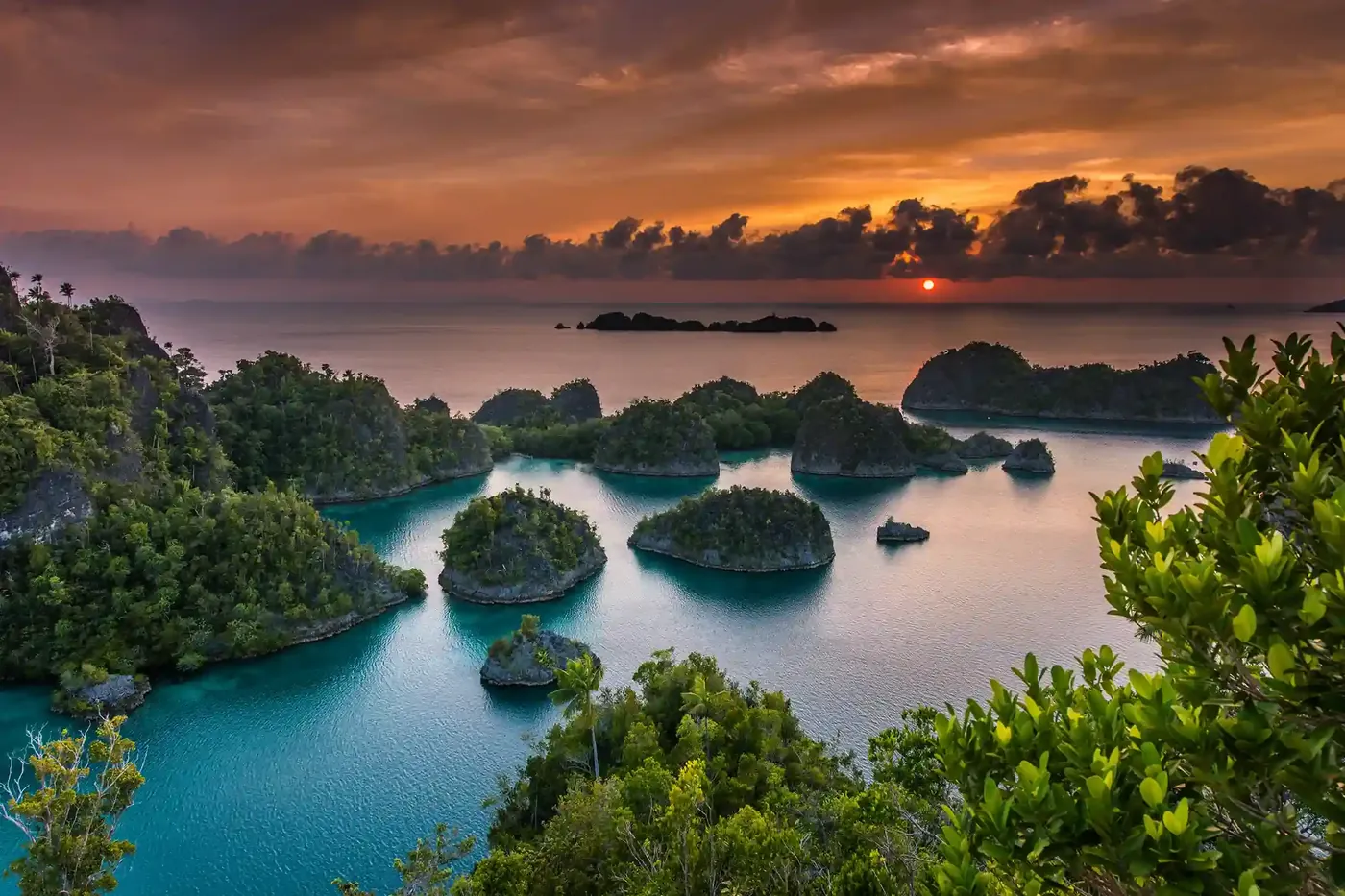
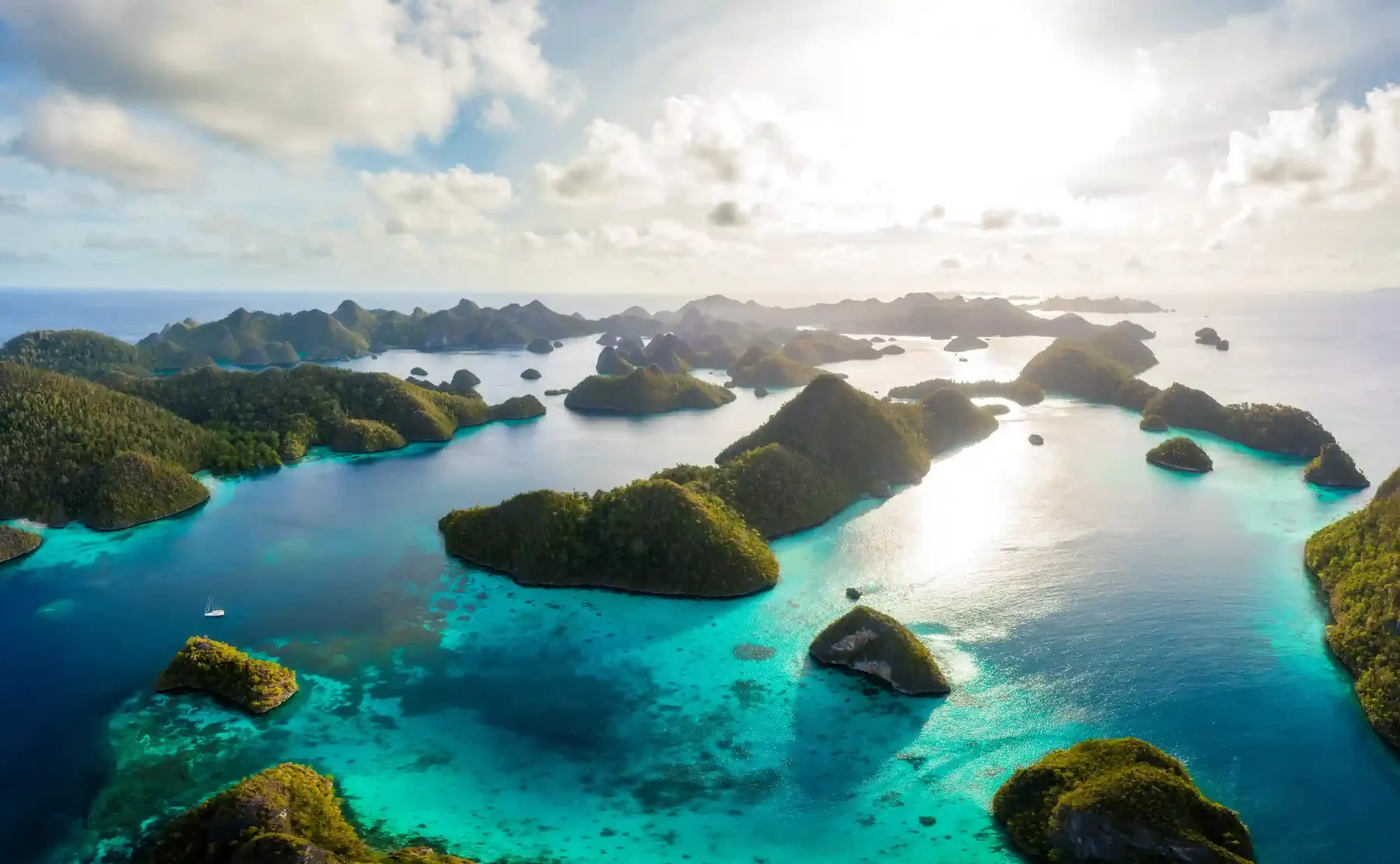
The morning sun, still low, cuts through the humid air, painting the jagged limestone islands of Misool in hues of gold and emerald. A gentle breeze, barely a whisper, carries the scent of salt and the distant call of a tropicbird. Below the surface, a universe of electric blue and vibrant coral awaits, teeming with life. This is Raja Ampat, specifically the marine sanctuary around Misool, a name that resonates with divers like a sacred chant. But when does this dreamscape truly reveal its most spectacular self? Timing your journey to this remote Indonesian archipelago is not merely about avoiding rain; it’s about aligning with the rhythm of the ocean, the migrations of its grandest inhabitants, and the elusive dance of light and water that transforms a great dive into an unforgettable odyssey.
The Misool Season: An Overview of Raja Ampat’s Dive Calendar
Misool, a jewel in the southern reaches of Raja Ampat, operates on a distinct seasonal rhythm, largely dictated by the prevailing monsoons that sweep across Indonesia. For the discerning diver seeking the ultimate experience, understanding this calendar is paramount. The primary diving season for Misool, when conditions are most consistently superb, stretches from October through April. During these seven months, the eastern monsoon winds subside, giving way to calmer seas, less rainfall, and exceptional underwater visibility, often exceeding 30 meters. This window is when the region truly shines, offering an unparalleled opportunity to explore its famous dive sites like the ‘Boo Windows’ and ‘Magic Mountain’ in their prime. Water temperatures remain consistently warm, typically hovering between a comfortable 28°C and 30°C (82-86°F), making for long, comfortable dives without the need for thick wetsuits. Many luxury liveaboards and the renowned Misool Eco Resort focus their operations intensely within this period, sometimes requiring bookings up to 18 months in advance for peak dates. While the allure of year-round diving exists in some parts of Raja Ampat, Misool’s remote location and exposure to oceanic currents make its seasonal variations more pronounced, necessitating careful planning for your luxury Misool diving adventure.
Peak Season Perfection: October to April
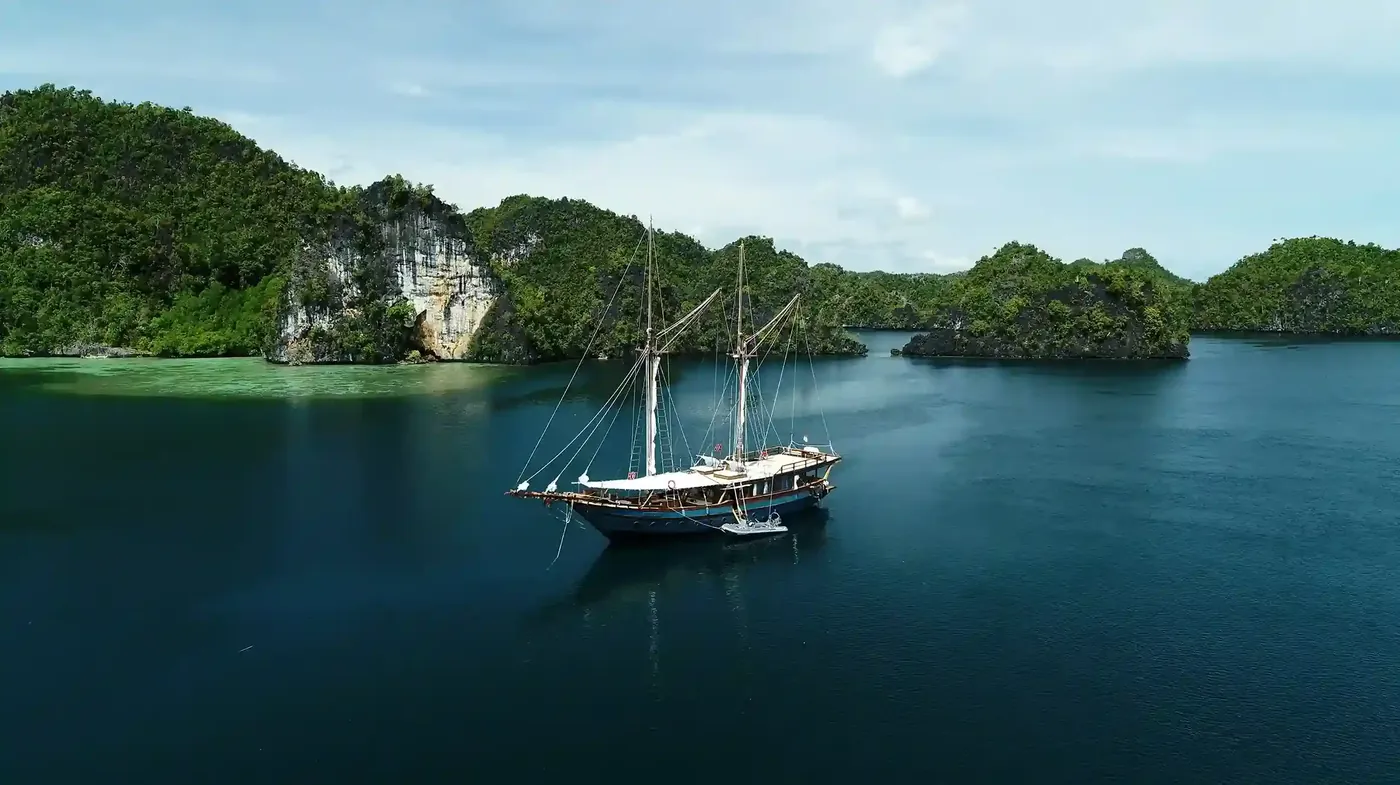
This seven-month stretch represents the zenith of the Misool diving experience. As the northern hemisphere cools, Raja Ampat’s waters become a haven of warmth and clarity. October and November mark a beautiful transition, often referred to as the shoulder leading into the peak. The seas are beginning to calm, and the first major schools of fish start to gather, creating dynamic underwater spectacles. By December, the heart of the dry season is firmly established. Days are characterized by abundant sunshine, minimal rainfall, and the gentlest of ocean swells, making boat journeys between dive sites incredibly smooth. Visibility reaches its maximum potential, allowing divers to appreciate the vast scale of Misool’s coral gardens and the intricate topography of its underwater pinnacles. This period is particularly renowned for encounters with pelagic species, including reef sharks, barracudas, and the majestic manta rays that frequent the cleaning stations. While crowds are at their highest during these months, especially around Christmas, New Year, and Easter, the sheer size of the Misool Protected Area means that dive sites rarely feel overcrowded. Booking your luxury liveaboard or resort stay during this period is essential, with prime slots often reserved over a year in advance. Expect to pay premium rates, with luxury liveaboard itineraries often starting from $800-1,200 per person per night for a 7-10 day trip.
October & November: The Opening Act
These months are often overlooked but offer a fantastic balance of excellent conditions and slightly fewer crowds compared to the absolute peak. The air is still fresh, and the occasional brief shower can clear the humidity without impacting dive plans. Water temperatures are consistently warm, averaging 29°C (84°F). Visibility is already superb, frequently exceeding 25 meters. This is a prime time for photographers seeking vibrant light and active marine life. The reef systems are bursting with activity as the calm season settles in, and the chances of spotting larger pelagics like grey reef sharks and schooling jacks are high. Liveaboard options are plentiful, and while popular, securing a spot might be marginally easier than in the subsequent months. Misool Eco Resort typically reopens for its season in October, welcoming guests back to its pristine bungalows and world-class dive center. The lush green karsts, having absorbed the wet season’s bounty, truly pop against the clear blue skies, creating breathtaking above-water scenery as well.
December to February: The Heart of the Season
This is the undisputed high season for Misool diving. The weather is at its most stable, offering long days of sunshine and glass-calm seas, perfect for exploring both famous and hidden dive sites. Underwater visibility often pushes beyond 30 meters, allowing for incredible wide-angle photography and a profound sense of immersion. This period is particularly celebrated for prolific manta ray sightings, as these graceful giants gather at various cleaning stations around the Misool archipelago. Schooling fish, including fusiliers, snappers, and trevallies, are often seen in vast numbers, creating dynamic feeding frenzles. The vibrant soft corals, a hallmark of Misool, are at their most resplendent, benefiting from the consistent light penetration. While this period undeniably attracts the most visitors, the luxury operations are adept at managing itineraries to ensure exclusive experiences. Expect to book at least 12-18 months ahead for these prime dates, particularly if you have specific liveaboard or cabin preferences. The tranquility and sheer abundance of marine life during these months make the journey and the investment utterly worthwhile for serious divers.
The Shoulder Months: September & May
For those seeking to balance exceptional diving with slightly fewer crowds and potentially more attractive pricing, the shoulder months of September and May present compelling opportunities for Misool diving. In May, the tail end of the dry season transitions into the early whispers of the west monsoon. While there might be an increased chance of an afternoon shower or a slightly choppier sea day, the overall conditions remain excellent. Visibility is still very strong, often 20-25 meters, and marine life remains abundant. Many liveaboards offer slightly reduced rates during May, sometimes a 5-10% discount compared to peak season, making it an appealing option for budget-conscious luxury travelers. Similarly, September marks the easing of the west monsoon and the run-up to the main dive season. The winds are beginning to subside, and the seas are calming significantly. While the occasional squall can still occur, these are usually brief. Visibility is improving rapidly, and the reefs are reawakening with activity after the calmer, wetter months. This period can offer incredible value, as some operators might still be repositioning or offering introductory rates before the full peak season rush. For instance, a luxury liveaboard that typically charges $1,000/night in peak season might offer May or September departures for $900/night. These months also present a unique opportunity to experience the pristine beauty of Misool with a greater sense of solitude, often sharing dive sites with only a handful of other divers.
The Off-Season: June to August
While Raja Ampat is often touted as a year-round destination, the Misool region specifically experiences a noticeable off-season from June to August. During these months, the prevailing west monsoon brings stronger winds, rougher seas, and significantly higher rainfall. Average wind speeds can reach 15-20 knots, making transit between islands less comfortable and potentially limiting access to certain exposed dive sites. Rainfall increases substantially, with monthly averages often exceeding 300mm (12 inches), compared to less than 100mm in peak season. Consequently, underwater visibility can drop to 10-15 meters due to increased runoff and suspended particles. Most luxury liveaboards reposition to other Indonesian regions, such as Komodo or Banda Sea, which are in their prime during these months. Misool Eco Resort typically closes its doors for annual maintenance and staff leave, usually from June through September, with a 100% closure rate for guest operations. While a handful of local operators might still run trips from Sorong or Waisai, their reach into the southern Misool area is often curtailed by the conditions. Attempting a dedicated Misool diving trip during this period is not recommended for those seeking a premium experience, as the elements can severely compromise comfort, safety, and overall dive quality. The remote nature of Misool means fewer sheltered bays compared to the northern Raja Ampat islands, making it more vulnerable to the monsoon’s impact.
Marine Life Migrations & Water Conditions
The magic of Misool lies not just in its pristine corals but in the sheer abundance and diversity of its marine inhabitants, whose movements are often tied to the seasonal rhythms. Understanding these patterns enhances the anticipation of your dive. Water temperatures in Misool are remarkably consistent throughout the main dive season, maintaining a balmy 28-30°C (82-86°F). This consistency is ideal for both divers and the delicate coral ecosystems. Currents, which are a hallmark of Raja Ampat diving, are present year-round, bringing nutrient-rich waters that fuel the incredible biodiversity. These currents can range from gentle drifts to exhilarating rides, typically reaching 1-3 knots on many sites, occasionally stronger. Dive guides are expertly trained to navigate these conditions safely. Visibility is highest during the peak dry season (December-February), often pushing past 30 meters. During the shoulder months (May, September, October, November), visibility remains excellent, generally in the 20-25 meter range. Even in the off-season, when conditions are challenging, the water clarity might still offer 10-15 meters, though rougher seas make for less enjoyable diving. The health of Misool’s reefs, thanks to its protected status and the conservation efforts of Misool Foundation, remains exceptional across all seasons, with vibrant hard and soft corals thriving. Misool boasts over 1,500 species of fish and 700 species of mollusks, a testament to its ecological significance (Wikipedia).
Manta Rays & Pelagics: When to Witness the Giants
For many, the allure of Misool diving is inextricably linked to encounters with manta rays. While mantas are present year-round in Raja Ampat, their aggregations at specific cleaning stations around Misool are most predictable and spectacular during the peak season, particularly from December to March. During these months, the calm, clear waters provide optimal conditions for these magnificent creatures to visit their designated cleaning stations, offering divers unparalleled viewing opportunities. Misool alone has over a dozen known manta aggregation sites. Other large pelagics, such as reef sharks (blacktip, whitetip, grey), barracuda, trevally, and even occasional whale sharks, are also more frequently sighted during the peak season when ocean currents are stable and baitfish schools are abundant. The consistent currents bring in nutrient-rich waters, creating a veritable feast for the entire food chain. Divers often report seeing schooling bumphead parrotfish and massive schools of fusiliers during this time, creating dynamic and thrilling underwater landscapes that change with every passing current.
Macro Marvels & Coral Health: A Year-Round Spectacle
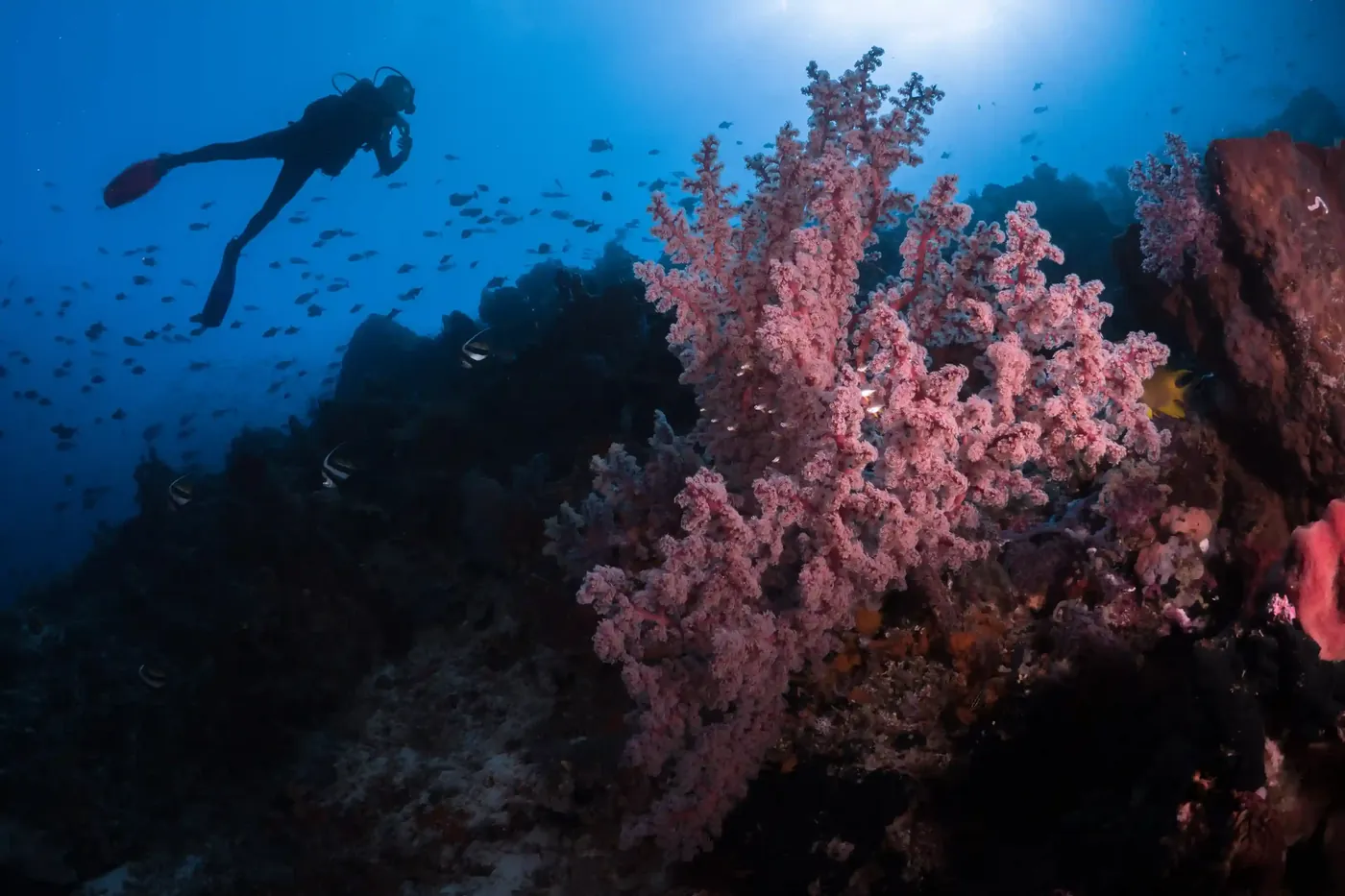
Beyond the giants, Misool is a macro photographer’s dream, and this aspect of its biodiversity is largely a year-round constant. The sheer density and variety of pygmy seahorses, nudibranchs, frogfish, ghost pipefish, and countless species of crustaceans are astounding. The intricate coral gardens, bursting with an astonishing diversity of hard and soft corals, anemones, and sponges, remain vibrant and healthy regardless of the season. Misool’s status as a no-take zone within a larger Marine Protected Area (MPA) has fostered an incredibly resilient and thriving ecosystem. The coral cover in Misool is among the highest in the world, with some sites boasting 90% live coral cover. Even during the off-season, when conditions might limit access or comfort, the macro life continues its intricate dance within the sheltered nooks and crannies of the reefs. For those with a keen eye and patience, the smaller wonders of Misool offer endless fascination, complementing the grand pelagic encounters and ensuring that every dive reveals something new and exquisite. The commitment to conservation here is palpable, ensuring these intricate ecosystems remain pristine for generations.
Navigating Crowds, Pricing, and Booking Strategies
The unparalleled beauty of Misool means it’s a sought-after destination, and managing your booking strategy is crucial for a seamless luxury experience. The peak season (October-April) commands the highest prices and requires the longest booking lead times. For a luxury liveaboard or a stay at Misool Eco Resort during December, January, February, or Easter weeks, it is not uncommon to book 12-18 months in advance. Prices for a 10-day luxury liveaboard during this period can range from $8,000 to $15,000 per person, excluding flights and transfers. The shoulder months (May and September) offer a sweet spot. While conditions remain excellent, you might find a 5-15% reduction in rates and slightly better availability, often allowing bookings 6-9 months prior. For example, a liveaboard costing $1,200 per night in peak season might offer $1,050 per night in May. Internal flights within Indonesia, particularly to Sorong (SOQ), also tend to be more competitive outside of peak holiday periods. To avoid crowds, even during peak season, consider itineraries that focus on the more remote southern dive sites of Misool, or choose liveaboards that operate with smaller group sizes, typically 10-16 guests. Misool Eco Resort, with its limited capacity of 20-24 guests, inherently offers an exclusive experience. Utilizing a specialist luxury travel agent with deep knowledge of Raja Ampat can provide access to preferred rates and early booking windows. Remember that the journey to Misool often involves multiple flights and a final boat transfer, so coordinating these logistics well in advance is essential for a stress-free start to your Misool diving adventure. For up-to-date travel advisories for Indonesia, consult official government sources (gov.uk).
The call of Misool is undeniable, a siren song for those who dream of untouched reefs and vibrant marine ecosystems. Whether you seek the absolute calm and prolific pelagics of the peak season, the serene solitude and value of the shoulder months, or simply wish to understand the rhythm of this extraordinary place, your journey begins with informed planning. Let Condé Nast Traveler guide you to the perfect moment to plunge into the electric blue waters of Raja Ampat, where every dive is a revelation. Begin planning your unparalleled adventure today. Explore our curated selection of luxury liveaboards and resorts, and let us help you craft the Misool diving experience of a lifetime. Discover more about Raja Ampat and secure your passage to paradise.