The Definitive Guide to the Best Time for Misool Diving
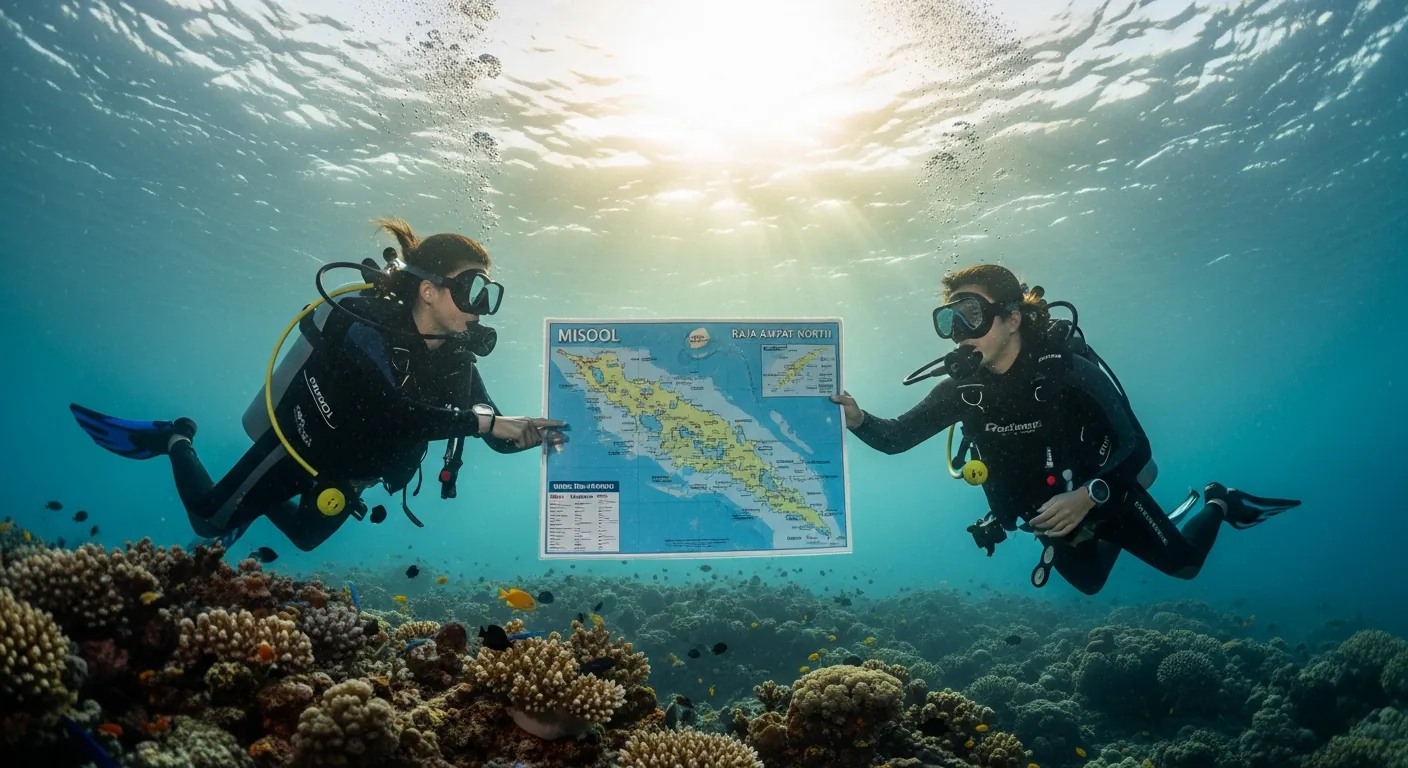
The water, a consistent 29 degrees Celsius, settles around you as you descend. Below, a reef wall disappears into the cobalt blue, every surface colonized by a profusion of life—gorgonian fans the size of doorways, soft corals in shades of apricot and lavender, and schools of fusiliers, numbering in the thousands, parting like a liquid curtain. This is the sensory immersion of Misool, the southern jewel of Raja Ampat. But accessing this spectacle, a living library of marine biodiversity, is a matter of precise timing. The question for any serious diver is not if they should go, but precisely when. Planning an expedition to this remote archipelago requires a nuanced understanding of its distinct microclimate, where a difference of a few weeks can separate clear, calm seas from challenging, wind-whipped conditions. Getting it wrong means a compromised experience; getting it right reveals one of the planet’s last true underwater edens.
Understanding Misool’s Unique Microclimate: Beyond the Monsoons
While much of Southeast Asia is governed by straightforward wet and dry seasons, Raja Ampat, and Misool in particular, operates on a more complex schedule. The region is influenced by two primary monsoons: the northwest monsoon (roughly October to April) and the southeast monsoon (roughly May to September). For most of Raja Ampat, the northwest monsoon brings the calmest seas and is considered the peak liveaboard season. However, Misool’s southerly, more exposed location fundamentally changes this equation. See also: see Misool Diving Raja Ampat’s About.
During the southeast monsoon, from late June through early September, the southern reaches of the archipelago are directly exposed to strong winds and significant ocean swells originating from the Banda Sea. This makes navigating the intricate maze of limestone karsts and reaching the premier offshore Misool dive sites not just difficult, but often impossible for even the most capable phinisi schooners. Consequently, nearly all reputable Misool liveaboard operators reposition their vessels to the more sheltered northern Raja Ampat region during these months. This is the most critical factor in planning: the primary Misool diving season is dictated by the cessation of these southerly winds, which allows for safe passage and comfortable diving conditions.
Peak Diving Season: October to April for Optimal Conditions
The period from October to April represents the prime window for any diving expedition to Misool. This season is characterized by the calming influence of the northwest monsoon, which brings drier weather and, most importantly, placid sea surfaces to the southern islands. The result is a confluence of ideal factors for underwater exploration. See also: Contact pricing.
- Visibility: During these months, visibility is consistently at its best, often ranging from 20 to over 30 meters. The reduced rainfall means less sediment runoff from the islands, and the calm seas prevent the churning of sand and particulate matter. This clarity is essential for appreciating the grand scale of sites like the Three Sisters or the submerged ridges of Magic Mountain.
- Currents: While currents are a constant in Raja Ampat, delivering the nutrients that fuel its extraordinary biodiversity, they are generally more predictable and manageable during this period. Divers can expect moderate currents at famed sites like Fiabacet, perfect for drift diving along walls covered in soft corals. These currents are the engine of the ecosystem, bringing in pelagics like oceanic manta rays and reef sharks.
- Marine Life Aggregations: This season aligns with peak activity for many of the region’s most sought-after species. Oceanic manta rays (Manta birostris) are frequently observed at cleaning stations, particularly at Magic Mountain, where they hover over bommies at depths as shallow as 7 meters. The nutrient-rich waters also attract dense schools of fish, creating the “fish soup” biomass for which Misool Raja Ampat is celebrated. Dr. Gerald Allen, a renowned marine biologist, famously counted 374 species of fish on a single dive in the region.
Surface intervals are equally pleasant, with sunny skies and calm anchorages allowing for easy exploration of the lagoons and karst formations via kayak or tender. For photographers, the combination of brilliant sunlight, clear water, and abundant life provides an ideal canvas. See also: Home pricing.
The Shoulder Seasons: May, June, and September
The months bordering the peak season—May, June, and September—constitute the shoulder periods. Diving during this time presents a calculated trade-off. The primary advantage is a significant reduction in the number of vessels; you may find your liveaboard is one of only a few exploring the vast area, lending a heightened sense of solitude and discovery. See also: book Misool Dive Sites.
However, the conditions can be less predictable. As the seasons transition, divers may encounter more frequent rain showers and an increase in surface chop. According to Andi Saputra, a dive guide with over 15 years of experience in Raja Ampat, “In May, you can have a week of perfect, flat-calm water, but you can also have days where the wind picks up from the southeast. The visibility might drop from 30 meters to 15 or 20 meters, but the marine life is always there. It is a good time for experienced divers who value solitude over guaranteed placid seas.” Water temperatures remain a stable 28-29°C, but the overall experience can be more variable. A Misool dive resort, being land-based, can offer a more stable platform during these months, though their operational range for daily dive trips may be limited by surface conditions.
Table 1: Peak vs. Shoulder Season Comparison for Misool Diving
| Factor | Peak Season (Oct – Apr) | Shoulder Season (May, Jun, Sep) |
|---|---|---|
| Visibility | Excellent (20-30m+) | Good to Moderate (15-25m) |
| Water Temperature | 28-30°C | 28-29°C |
| Surface Conditions | Generally calm and flat | Variable; can be choppy with some wind |
| Vessel Traffic | Higher concentration of liveaboards | Significantly fewer vessels |
| Marine Life | Peak manta ray and pelagic activity | Consistently high biomass; sightings remain excellent |
Off-Season Advisory: July and August in South Raja Ampat
The months of July and August are considered the off-season for Misool, particularly for liveaboard-based expeditions. The southeast monsoon is at its strongest, generating persistent winds and waves that can reach 2-3 meters in open water. This makes the crossing to Misool and navigation between the southern Misool dive sites unsafe and profoundly uncomfortable. The vast majority of the phinisi fleet, including premium vessels like the Sequoia or Amandira, will have long since relocated to the north (Dampier Strait) or other regions of Indonesia like Komodo National Park.
While a dedicated Misool dive resort may remain open, its operations will be heavily restricted. Diving would be confined to a few sheltered house reefs or nearby sites protected by the topography of the islands. Access to the iconic offshore pinnacles and channels that define the quintessential Misool experience, such as Four Kings and Boo Windows, would be entirely suspended. Therefore, for any diver whose intent is to experience the full breadth and scale of Misool’s underwater landscapes, planning a trip during July and August is not advisable.
A Month-by-Month Breakdown for Misool Diving Expeditions
To further refine your planning, consider the subtle variations within the peak diving season:
- October – December (The Opening Act): As the southeast winds subside, the seas around Misool become progressively calmer. October can still see some transitional weather, but by November, conditions are typically excellent. Visibility steadily improves, and this period marks the beginning of the high season for manta ray sightings at their cleaning stations. Water temperatures are a warm 29-30°C.
- January – March (The Prime Window): This three-month stretch is widely regarded as the absolute best time for Misool diving. It offers the highest probability of calm, sunny weather and crystalline water clarity. Marine life is exceptionally active, from the macro critters at Nudi Rock to the patrolling grey reef sharks at Melissa’s Garden. This is the ideal time for wide-angle photographers and those seeking the most serene conditions for their expedition.
- April – May (The Transition): April continues to offer superb conditions, often rivaling the prime window. As May approaches, the winds may begin to show the first signs of shifting, potentially bringing more plankton and slightly reduced visibility, though this can also attract larger filter feeders. The weather can become more dramatic, with impressive cloud formations that appeal to photographers. It remains an excellent time to visit, often with slightly fewer boats than in January or February.
Table 2: Monthly Conditions at Key Misool Dive Sites
| Period | Magic Mountain | Boo Windows / Fiabacet | Four Kings |
|---|---|---|---|
| Oct – Dec | Excellent. High chance of Oceanic Mantas. Moderate currents. | Very good visibility. Abundant soft corals. Manageable drift dives. | Good. Can have strong currents. Schooling pelagics begin to arrive. |
| Jan – Mar | Peak conditions. Multiple mantas common. Clear water (25m+). | Exceptional. Calm surfaces make the “windows” swim-through easy. | Prime. Best visibility for appreciating the four pinnacles. High fish density. |
| Apr – May | Excellent. Continued Manta activity. Potential for more plankton. | Very good. Surface can become choppier in late May. | Good to very good. Currents can be a factor as seasons shift. |
Planning Your Expedition: Liveaboard vs. Resort in Misool
The choice between a traditional phinisi liveaboard and a land-based resort is a critical one that shapes your entire Misool experience. A Misool liveaboard is the superior option for comprehensive exploration. These vessels, typically accommodating 10-16 guests, cover significant distances, allowing access to the full geographic diversity of Misool’s 1,500 islands—from the eastern sites like Pele to the southern pinnacles near the Sagof region. A typical 9- to 12-night itinerary allows for 3-4 dives per day across dozens of unique sites. The investment for such an expedition generally ranges from USD $6,000 to over $9,000 per person, reflecting the logistical complexity of operating in such a remote area.
Conversely, a Misool dive resort provides a fixed base of operations with a high degree of comfort. This is an excellent choice for divers who wish to combine their underwater time with relaxation, or for groups with varying levels of diving interest. While the diving is concentrated in the resort’s immediate vicinity, the house reefs and nearby sites are still part of the same vibrant ecosystem. The trade-off is a lack of geographic variety; you will not be able to visit sites that are a half-day’s sail away. However, for a focused and relaxed trip, it remains a compelling option.
Actionable Steps for Booking Your Misool Diving Trip
Navigating the logistics of a remote expedition requires careful planning and expert guidance. To ensure your investment results in a seamless and perfectly timed adventure, follow these steps:
- 1. Define Your Ideal Window: Use this guide to select your preferred months within the October to April peak season, balancing weather predictability with vessel traffic.
- 2. Choose Your Platform: Decide whether the expansive reach of a Misool liveaboard or the rooted comfort of a Misool dive resort better aligns with your travel style and diving objectives.
- 3. Verify Certifications and Insurance: Due to the currents and depths (many sites descend below 30 meters), an Advanced Open Water certification is highly recommended. All divers should have comprehensive dive accident insurance, such as that from DAN (Divers Alert Network).
- 4. Consult with a Misool Specialist: The nuances of different phinisi charters, seasonal timing, and itinerary planning are best handled by a dedicated expert. A specialist can align your expectations with the right vessel and departure date.
To discuss your Misool expedition with a planner who has firsthand experience in the region, contact our team.
Misool Diving Raja AmpatPhone: +62 (811) 394-14563
Email: sales@komodoluxury.com
Office: Jalan Sunset Road No. 88, Kuta, Badung, Bali 80361