
How Much Does a Luxury Misool Diving Trip Cost?
- Ancillary Costs: International flights, marine park fees, and gratuities can add another $2,500 to $5,000.
This price reflects the region’s extreme remoteness and conservation-centric operational model.
The water is 84 degrees Fahrenheit, a perfect, liquid embrace. Below, a school of silversides, millions strong, moves as one organism, a shimmering, mercury-toned curtain. As you descend, the curtain parts, and not one, but three reef mantas glide into view, their five-meter wingspans blocking out the sun. They perform a slow-motion ballet around a cleaning station, utterly indifferent to your presence. This isn’t a scene from a documentary. This is Tuesday morning in Misool, Raja Ampat. And while the experience is priceless, the logistics of placing you here, in the epicenter of marine biodiversity, carry a significant and justifiable price tag. For the discerning traveler, understanding the cost of a luxury Misool diving trip is the first step in planning an expedition to the last true paradise on Earth.
Deconstructing the Price Tag: What Are You Actually Paying For?
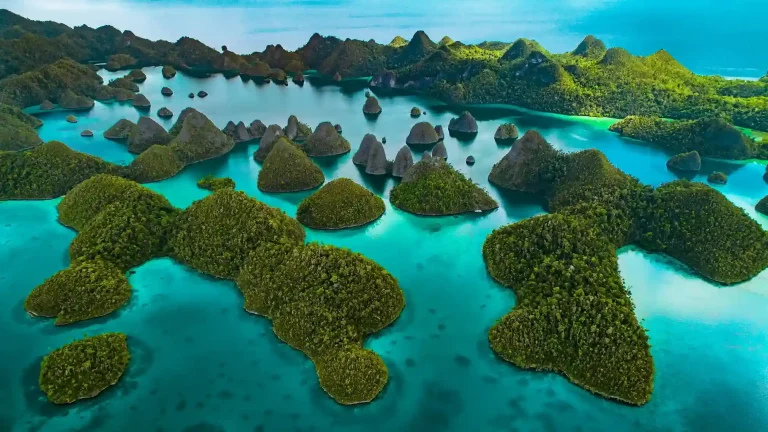
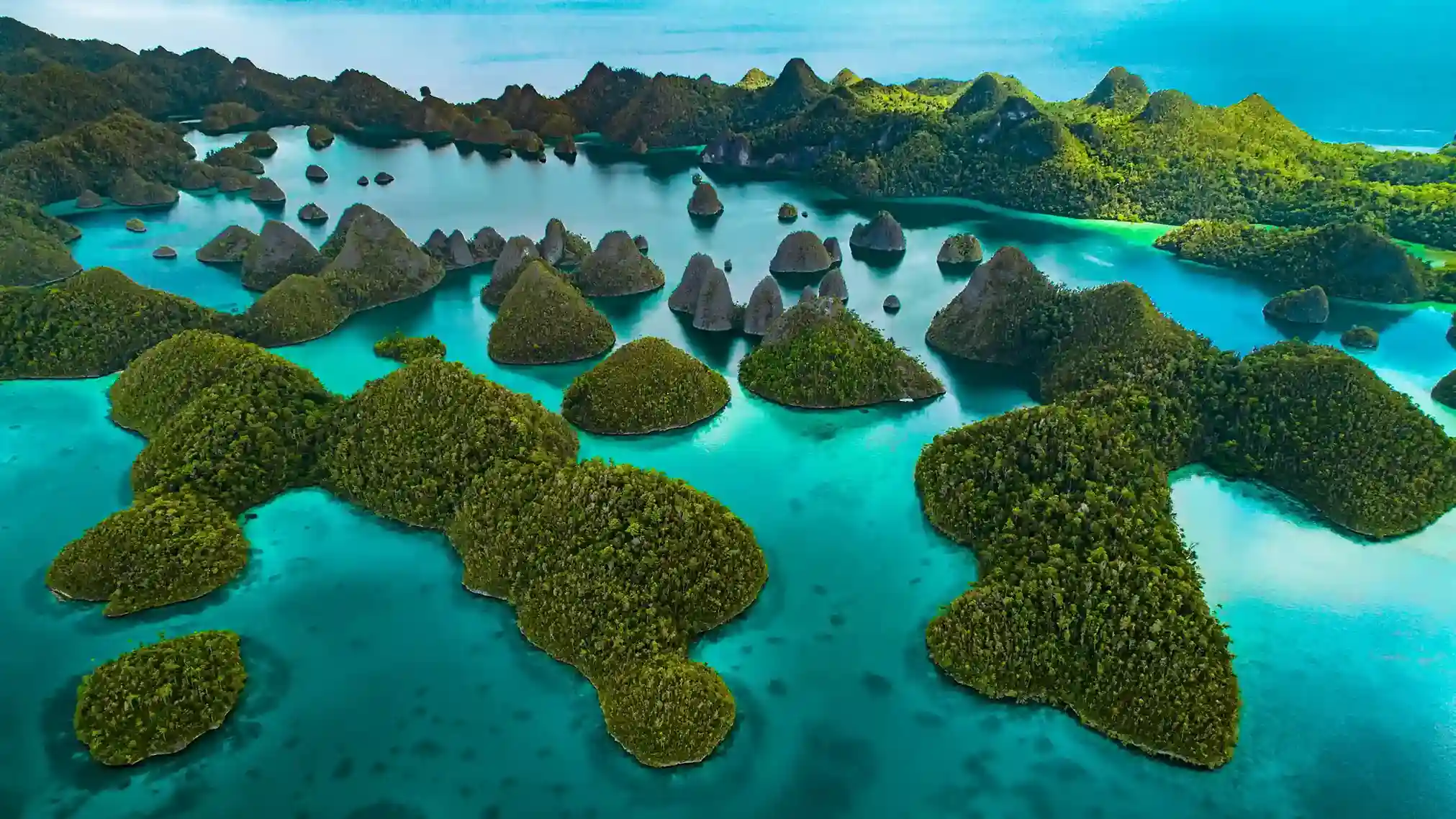
The question I hear most often from our readers isn’t “Is it worth it?” but rather, “Why the premium?” The cost of a luxury Misool diving trip is a direct reflection of three core pillars: radical remoteness, uncompromising operational excellence, and active conservation funding. Misool is the southern jewel in the crown of the Raja Ampat archipelago, a sprawling collection of over 1,500 jungle-clad karst islands. The nearest logistics hub, the port city of Sorong, is a 160-kilometer, often-overnight journey away. Every liter of fuel, every piece of fresh produce, every spare part, and every highly trained dive guide must be transported across open sea. This logistical challenge alone accounts for nearly 30% of an operator’s base cost.
Beyond logistics, you are paying for an unparalleled level of service and safety. On a high-end liveaboard, the crew-to-guest ratio is often 1:1. Your dive guide, likely a marine biologist with thousands of dives in these specific waters, leads a group of no more than four divers. The chefs are trained to produce exquisite cuisine in a galley kitchen that sways with the sea. The vessel itself is a multi-million dollar asset, equipped with state-of-the-art navigation, safety equipment, and dive compressors. This isn’t just about comfort; it’s about mitigating risk in an area where assistance is hours, not minutes, away. The final, and perhaps most crucial, component of the cost is conservation. A significant portion of your fee directly funds the patrols and community programs that protect this fragile ecosystem. You aren’t just a tourist; you are a patron of one of the world’s most successful marine conservation initiatives.
The Liveaboard Versus Resort Dilemma: A Cost and Experience Analysis
The primary decision that will shape your budget is the choice between a dedicated dive liveaboard and a land-based luxury resort. Each offers a distinct experience at a comparable, premium price point. A top-tier liveaboard, such as those we feature in our Misool Diving — Raja Ampat South Pristine Reef Expeditions, provides unparalleled mobility. The supreme advantage is variety; you wake each morning at a new, world-class dive site. One day you’re exploring the iconic Boo Windows, the next you’re navigating the thrilling currents of Magic Mountain, a site famous for its oceanic manta congregations. The price is typically all-inclusive of dives, accommodations, and meals, offering a seamless and focused diving journey.
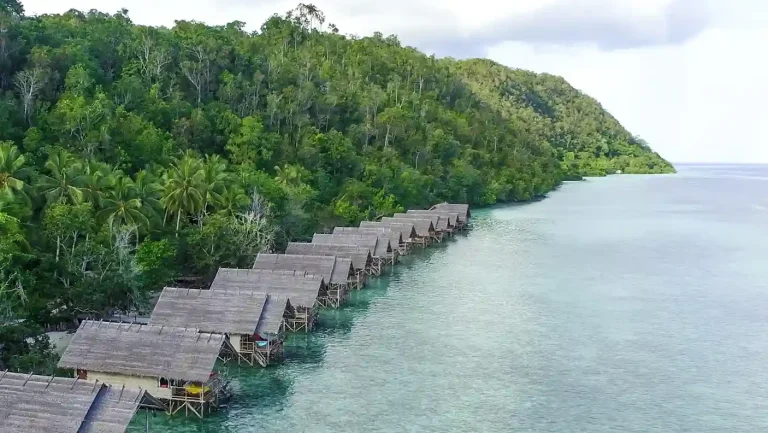
Conversely, the resort experience offers a different kind of luxury: the luxury of space and place. A 9-night stay in one of their North Lagoon Water Cottages starts around $7,500 per person, a figure that does not include the dive package, which can add another $1,500 to $2,000. While the initial sticker price might seem lower, the final tally is often similar to a liveaboard. The trade-off for mobility is an intimate connection to one specific, spectacular corner of the reserve. You have access to a world-class house reef 24/7, land-based comforts, spa services, and the satisfaction of knowing your stay directly employs dozens of local villagers and funds the Misool Foundation’s critical conservation work. The choice isn’t about which is better, but which style of exploration aligns with your personal travel philosophy.
The “Hidden” Costs: Budgeting Beyond the Sticker Price
A seasoned traveler knows the advertised price is merely the starting point. For a destination as remote as Misool, factoring in the ancillary costs is critical for a realistic budget. The most significant variable is airfare. From North America or Europe, expect to pay between $1,800 and $3,500 for round-trip flights to Sorong (SOQ), the gateway to Raja Ampat. This typically involves at least two layovers, often in major hubs like Singapore (SIN) or Jakarta (CGK), followed by a domestic flight on Garuda Indonesia or Batik Air. I always advise clients to book flexible tickets and arrive in Sorong a full day before their boat departs to buffer against potential delays.
Once on the ground, you’ll need to account for marine park fees. The Raja Ampat Marine Park Entry Permit (known as a PIN) is USD 53 for foreign visitors (USD 35 for Indonesian nationals, charged from age 12) and is valid for one year. This is usually paid in cash upon arrival. Then there’s equipment. Finally, and importantly, is gratuity. The crew on these expeditions works tirelessly, often for months at a time. A tip of 10-15% of the charter cost is standard and deeply appreciated. Factoring these elements in from the start ensures there are no unwelcome surprises.
Seasonality and Timing: Does It Affect the Luxury Misool Diving Trip Cost?
In many luxury destinations, traveling in the “shoulder season” can yield significant savings. Misool operates on a different economic and meteorological calendar. The prime diving season, from October through April, offers the calmest seas and best surface conditions. During these months, demand for the limited number of berths on elite liveaboards and villas at top resorts is exceptionally high. Consequently, prices are fixed and non-negotiable. There is no “off-season discount” because the best operators simply do not run trips when conditions are suboptimal during the monsoon months of June through August. They use this time for essential maintenance and dry-docking.
The most critical financial factor related to timing is not the price-per-night, but booking availability. The top-tier misool diving experiences are often fully booked 18 to 24 months in advance. Attempting to book a trip with less than a year’s notice will likely leave you with limited, less-desirable options or no availability at all. Therefore, the “cost” of poor timing isn’t paying a higher price, but rather missing the opportunity entirely. The real value is secured not by hunting for a last-minute deal, which doesn’t exist in this market, but by planning far ahead. This allows you to secure your preferred vessel or villa, and it gives you ample time to find more favorable pricing on international flights. For broader travel information in the region, the official Indonesia.Travel portal provides useful context on national holidays and weather patterns that might influence your travel days.
The ROI of Conservation: Where Your Money Really Goes
To view the cost of a Misool trip as a simple vacation expense is to miss the point entirely. It is better understood as a philanthropic investment with an experiential dividend. The price you pay is the engine of one of the planet’s most inspiring conservation success stories. A large portion of the revenue generated by high-end operators in the area is funneled directly into the Misool Foundation and the Raja Ampat Ranger Patrol. These organizations manage and protect the 1,220-square-kilometer Misool Marine Reserve, an area twice the size of Singapore that was once ravaged by dynamite and cyanide fishing. Today, it is a strictly enforced No-Take Zone, a designation that has allowed the ecosystem to rebound with astonishing speed.
The data, collected by marine biologists over the last 15 years, is staggering. Since the reserve’s establishment, fish biomass has increased by an average of 250%, with some areas showing a 600% recovery. Shark and manta ray populations, once decimated, are now thriving. Your trip funds the salaries of local rangers, the fuel for their patrol boats, and community education programs. This model of conservation-funded tourism is so effective that Raja Ampat is now on the tentative list for UNESCO World Heritage status. When you surface from a dive and see a patrol boat crewed by proud Papuans who were once shark finners, you understand the return on your investment. You are not just observing paradise; you are actively helping to preserve it. It’s a powerful justification for the premium price tag and a core tenet of the expeditions we curate.
Quick FAQ: Your Pressing Questions Answered
Is a 7-day trip long enough for Misool?
While technically possible, I strongly advise against it. Considering you will likely spend two full days traveling to Sorong and another day for the transit to the Misool area itself, a 7-night trip leaves you with only 4-5 days of actual diving. This feels rushed and doesn’t do justice to the area’s vastness. A 10 or 12-night itinerary provides a much more relaxed pace and a far better return on your significant travel investment, allowing you to truly immerse yourself in the environment.
Can I use a credit card for all expenses?
Onboard your liveaboard or at a high-end resort, major credit cards are widely accepted for your final bill (drinks, rentals, boutique purchases). However, for expenses like the Marine Park PIN upon arrival in Sorong, small purchases in town, or tips for local porters, you will need Indonesian Rupiah (IDR). It’s also wise to have crisp US dollars for gratuities, as it’s often preferred by the crew.
What is the single biggest factor that determines the final cost?
Without a doubt, it is your choice of accommodation style. This single decision has the largest impact on the overall luxury Misool diving trip cost.
How does the cost compare to other world-class diving destinations?
A luxury Misool trip is positioned at the top of the market. It is financially comparable to a high-end Galapagos liveaboard, a private charter in French Polynesia, or an Antarctic expedition. The premium over destinations like the Red Sea or Belize is due to the extreme logistics, the conservation-funding model, and the sheer quality and density of the marine life, which is arguably the richest on the planet.
The cost of a journey to Misool is substantial, but it represents a clear and direct value exchange. It is the price of admission to the most biodiverse marine ecosystem on Earth, a contribution to its direct protection, and the cost of the complex logistics required to experience it in safety and comfort. This is not a transaction for a simple holiday, but an investment in a profound and transformative encounter with the natural world at its most vibrant. The memories of swimming through clouds of fish and watching mantas dance in the blue will linger long after the entry on your credit card statement has faded.
To move from dreaming to planning, and to understand the specific itineraries that make this investment so worthwhile, we invite you to explore our upcoming misool diving expeditions. Let our team craft your personal journey into the heart of the Coral Triangle.
Keep Reading
Travel Journal
Best Misool Pinnacle Dives 2027: A Comprehensive Guide
Misool's pinnacle dive sites offer extraordinary biodiversity and stunning underwater landscapes, making them an essential part of any diving itinerary…
Travel Journal
Best Budget Options to Dive Misool 2027
For 2027, the best budget options to dive Misool include exploring shared accommodation packages and group diving deals at local…
Travel Journal
Exploring the Best Misool Wall Dives 2027: Unveiling Dramatic Underwater Topography
For those seeking the best Misool wall dives in 2027, head to the southern region of Raja Ampat. This area…