
A Complete Guide to Misool Raja Ampat Liveaboard Prices
- Premier luxury charters and yachts can easily exceed $1,000 per person, per night.
The air is thick with the scent of salt and damp earth. Below deck, the gentle thrum of the generator is a constant, reassuring hum against the calls of unseen tropical birds. You are anchored in a labyrinth of turquoise water, surrounded by the dramatic limestone karsts that define Misool. This is the edge of the world, a place accessible to only a few hundred divers each year. It is an experience that transcends a simple vacation, but gaining entry to this aquatic sanctuary comes with a specific investment. As a travel editor who has navigated these waters and advised discerning travelers for over a decade, I’m here to demystify the numbers and provide a transparent guide to budgeting for the expedition of a lifetime.
Deconstructing the Price Tag: What’s Included in a Misool Liveaboard?
When you first see a price tag of, say, $7,000 for a 10-night trip, it’s essential to understand the comprehensive nature of the offering. Unlike a-la-carte resort pricing, a liveaboard is a largely all-inclusive affair, designed for maximum immersion with minimal logistical friction. The core of your fee almost universally covers your accommodation in a private or shared cabin, three substantial meals per day, plus an array of snacks and non-alcoholic beverages available around the clock. Critically, it includes the diving itself: typically three to four guided dives per day, complete with tanks, weights, and the expertise of a seasoned divemaster who knows these specific reefs intimately. Over a 10-night itinerary, this can amount to more than 35 dives, bringing the per-dive cost into a surprisingly reasonable perspective.
However, what the brochures don’t always place front-and-center are the ancillary costs. These are standard across the industry and must be factored into your total budget. Expect to pay separately for the Raja Ampat Marine Park permit, which currently stands at USD 53 for foreign visitors (USD 35 for Indonesian nationals, charged from age 12) and is valid for one year. Finally, and perhaps most significantly, is crew gratuity. The customary amount in this region is 10-15% of the charter fee, a reflection of the exemplary service delivered by a crew of 15 to 20 people in one of the world’s most remote locations.
The Tiers of Travel: From Adventurous Phinisi to Palatial Yachts
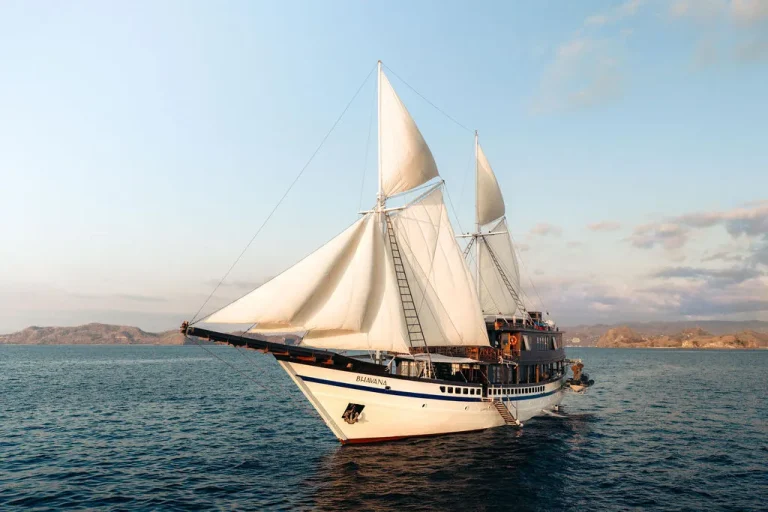
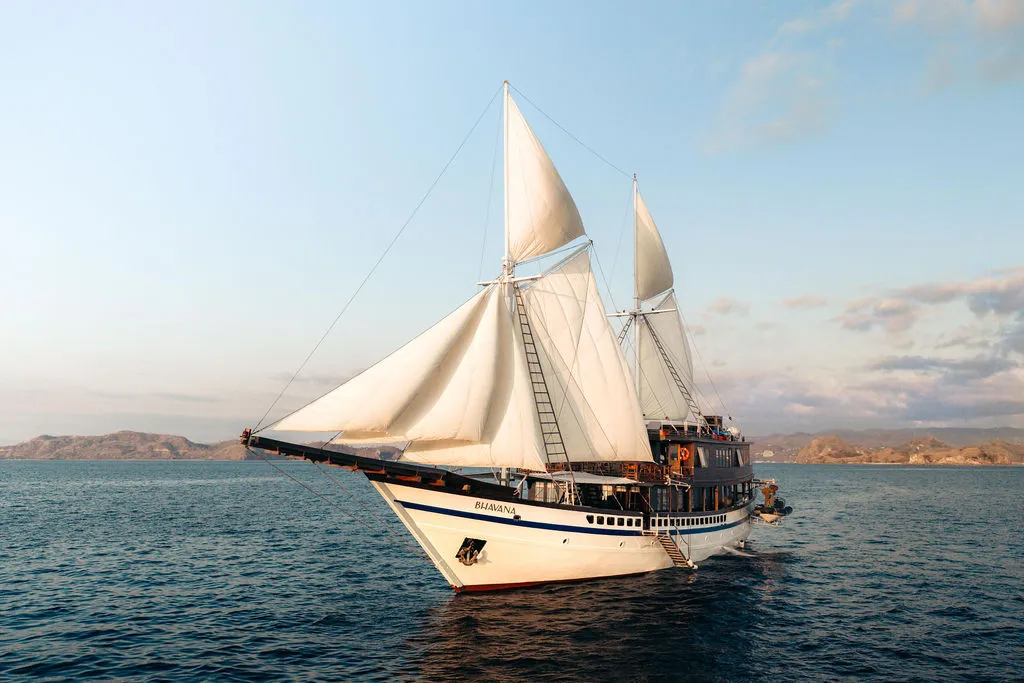
The vessel you choose is the single largest determinant of your overall cost. The fleet operating in Raja Ampat can be broadly segmented into three distinct tiers, each catering to a different travel style and budget. At the entry-level, you’ll find the more traditional Indonesian Phinisi schooners. These beautiful, handcrafted wooden vessels offer an authentic and intimate experience, often hosting just 8 to 12 guests. For a price point between $4,500 and $6,000 for a 10-night trip, you get a comfortable, no-frills experience where the focus is squarely on the diving. Cabins are clean and air-conditioned, but may be more compact with shared or smaller en-suite facilities.
The mid-range, where most travelers find their perfect fit, sits between $6,000 and $8,000. These are typically larger, more modern vessels, either steel-hulled or larger Phinisis, accommodating 16 to 20 guests. Here, the amenities see a significant upgrade. Expect spacious, well-appointed cabins with private en-suite bathrooms, dedicated camera rooms with multiple charging stations, and expansive common areas like sun decks and air-conditioned saloons. The food service is more elaborate, and the guest-to-guide ratio is often lower. This tier represents the sweet spot of comfort, service, and value for serious divers.
At the apex are the luxury charters, with prices starting at $8,000 and climbing well into five figures. These are floating boutique hotels. Vessels in this category, such as those used for premier Misool Diving — Raja Ampat South Pristine Reef Expeditions, offer sprawling suites, sometimes with private balconies, fine-dining menus, and near 1:1 guest-to-crew ratios. Onboard amenities might include massage services, cocktail bars, and even jacuzzis.
Seasonal Swings: How Timing Affects Your Misool Itinerary and Cost
Misool’s remote location within the Coral Triangle makes it subject to distinct weather patterns that dictate the diving season and, consequently, pricing. The prime season for exploring Misool’s southern wonders runs from October through April. During these months, the seas are generally calm, the skies are clear, and underwater visibility can extend beyond 30 meters. This is the high season, and liveaboard prices are at their peak. Demand is exceptionally high, and it’s not uncommon for the most reputable vessels to be fully booked 18 to 24 months in advance, especially for holiday periods like Christmas and New Year’s.
The shoulder months of May and September can be a strategic time to travel. While the weather becomes less predictable with a higher chance of rain and surface chop, you may find slightly lower prices or special offers—perhaps a 10% discount or a “no single supplement” deal. However, this comes with the gamble of potentially impacted surface conditions. From June to August, the southeast monsoon brings stronger winds and rougher seas, making the exposed southern dive sites of Misool largely inaccessible and unsafe for liveaboards. During this period, nearly the entire Raja Ampat fleet relocates north to the Dampier Strait or west to other parts of Indonesia like Komodo. This is a critical point for budget-conscious travelers: there is no “low season” discount for Misool, because the trips simply do not operate there.
The Hidden Costs: Budgeting Beyond the Sticker Price
A savvy traveler knows the list price is just the beginning. To create a realistic budget for your Misool expedition, you must account for several significant costs that are rarely included in the liveaboard fee. The largest of these is airfare. Reaching the embarkation port of Sorong (SOQ) is an undertaking. From North America or Europe, this involves an international flight to a major hub like Jakarta (CGK) or Denpasar (DPS), followed by at least one domestic flight. This multi-leg journey can easily add $1,800 to $2,500 to your total expenditure.
Once you’ve landed, there are the on-the-ground costs. Then there’s travel insurance, which is mandatory on virtually every reputable liveaboard. Finally, budgeting for a 10-15% crew gratuity is standard practice.
Why Misool Commands a Premium: The Value of Remoteness and Conservation
It’s fair to ask why a dive trip here costs significantly more than one in the Caribbean or the Red Sea. The answer lies in a combination of extreme logistics, conservation funding, and the sheer quality of the experience. Sorong is a remote outpost, and operating a sophisticated tourism vessel from this port is a monumental challenge. Fuel, gourmet provisions, fine wines, and critical spare parts all have to be shipped in at great expense, a cost that is inevitably passed on to the consumer. The logistical chain is long and fragile, and the operational overhead is immense.
Furthermore, your tourism dollars are a vital force for conservation. The high-value, low-volume tourism model helps fund the protection of this incredible ecosystem. The area is celebrated by organizations like Indonesia Travel as a crown jewel, and its unique biodiversity is a candidate for World Heritage status, as noted by UNESCO. This is the epicenter of marine life, home to over 1,600 species of reef fish and more than 75% of the world’s known coral species. You are not just paying for a vacation; you are investing in the preservation of a global treasure. The price ensures that the experience remains exclusive, preventing the overcrowding that has plagued other world-class dive destinations. It’s the cost of entry to dive sites like Magic Mountain and Boo Windows with just your small group, witnessing a density and diversity of life that exists almost nowhere else on Earth.
Quick FAQ on Misool Raja Ampat Liveaboard Prices
Can I find a Misool liveaboard for under $4,000?
For a standard 8- to 10-night trip that properly explores the southern Misool region, this is highly improbable. Shorter 6- or 7-night trips that only touch the edges of the area might exist, but they won’t reach the iconic, remote sites.
Is it cheaper to stay at a land-based resort in Misool?
Not necessarily. While a resort offers a different, more stationary experience, the all-in daily cost, once you factor in accommodation, food, and multiple daily dive excursions, can be comparable or even exceed that of a mid-range liveaboard. The unparalleled advantage of a liveaboard like the ones offered on our pristine reef expeditions is mobility; you can dive 20 or more distinct, world-class sites across a vast area on a single trip, an impossibility from a fixed land base.
This figure accounts for a liveaboard fee of approximately $7,000, international and domestic flights around $2,000, and an additional $1,500 to $2,000 for park fees, equipment, nitrox, gratuities, and one night’s accommodation in Sorong pre-cruise.
Ultimately, a journey to Misool is an investment in an experience that is increasingly rare in our modern world. It is a chance to witness a marine ecosystem thriving in a state of primal abundance. The price reflects not just the cost of operation in a remote frontier, but the immense value of preserving it for generations to come. For those who seek the apex of this adventure, exploring the labyrinthine reefs of the south requires a vessel and crew that possess an intimate understanding of its secrets. Our curated misool diving expeditions are meticulously designed to deliver precisely that. To view our upcoming itineraries and discover the vessel that will transport you to the very heart of biodiversity, we invite you to explore our expeditions.
Keep Reading
Travel Journal
Best Misool Pinnacle Dives 2027: A Comprehensive Guide
Misool's pinnacle dive sites offer extraordinary biodiversity and stunning underwater landscapes, making them an essential part of any diving itinerary…

Travel Journal
Best Budget Options to Dive Misool 2027
For 2027, the best budget options to dive Misool include exploring shared accommodation packages and group diving deals at local…

Travel Journal
Exploring the Best Misool Wall Dives 2027: Unveiling Dramatic Underwater Topography
For those seeking the best Misool wall dives in 2027, head to the southern region of Raja Ampat. This area…