
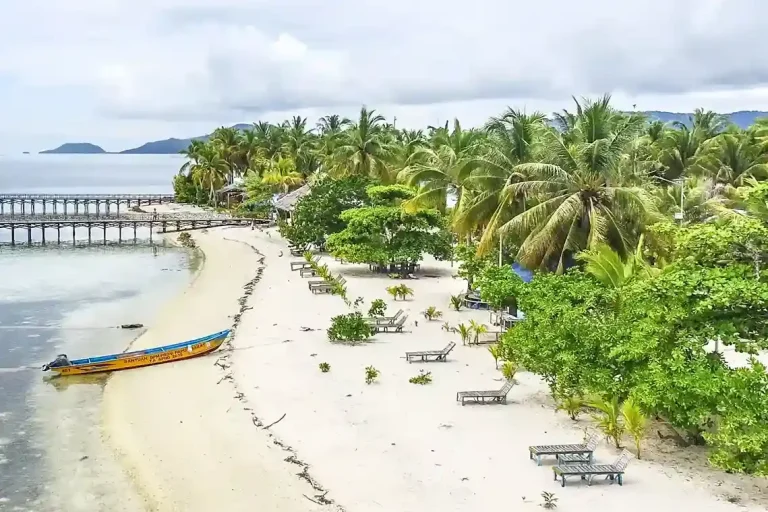
Is Diving in Misool Raja Ampat Safe for All Levels?
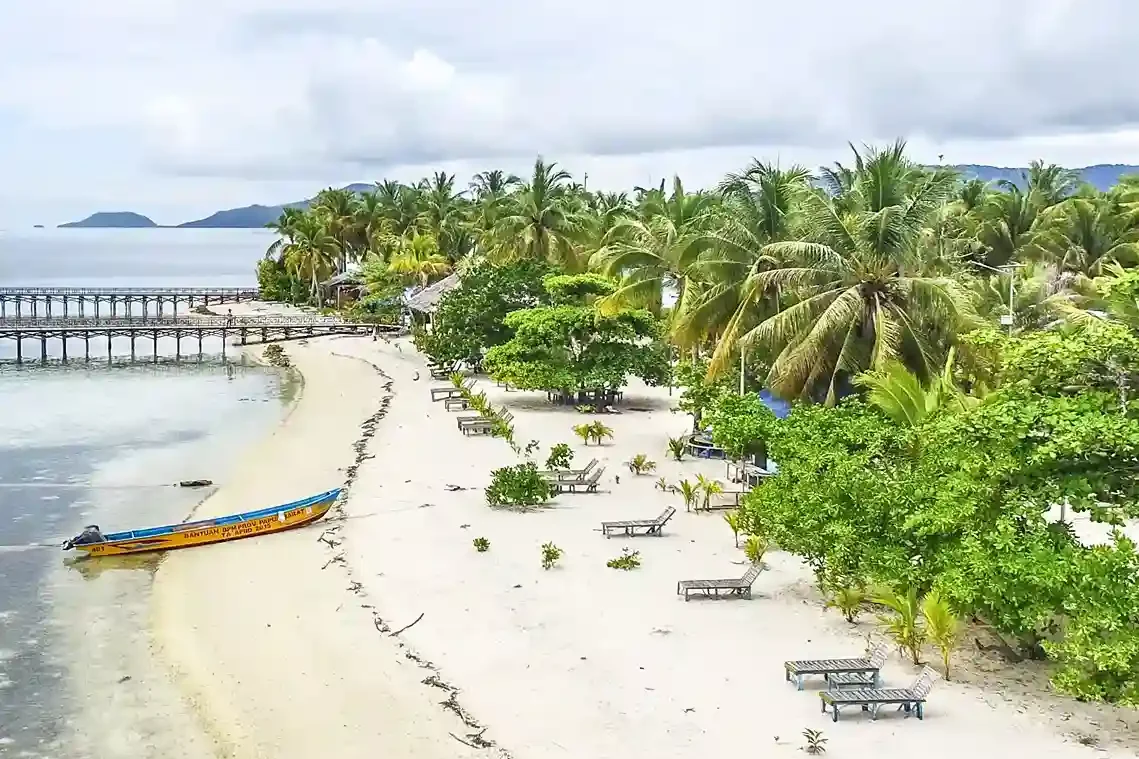
- Expert divemasters on premium liveaboards tailor site selection to daily conditions and guest experience.
- The area offers a full spectrum of dive sites, from placid, shallow coral gardens to dynamic, current-swept pinnacles.
- Strict adherence to safety protocols, including small guide-to-diver ratios, is standard among top-tier fleets.
The water is a shade of blue so pure it feels conceptual. It’s 29° Celsius and holds you in a warm, liquid embrace. Below, a city of coral explodes in violet, ochre, and emerald. A squadron of yellow-tailed fusiliers, thousands strong, parts around you like a living curtain. This is the immediate, sensory immersion of Misool, the southern jewel of Raja Ampat. Yet, as I watch a manta ray glide effortlessly in the deep, I recall the one question that surfaces in nearly every conversation about this remote Eden: Is it truly safe for every diver?
Deconstructing the “Safety” Question in a Remote Paradise
Let’s be direct: Misool’s profound isolation is the very source of its magic and, for some, its primary concern. We are in the heart of the Coral Triangle, a staggering 40,000-square-kilometer marine expanse composed of over 1,500 jungle-crowned karst islands. The journey here, typically involving multiple flights to Sorong followed by a multi-hour sail, naturally selects for a more committed class of traveler. But remoteness does not equate to risk. In fact, when managed by a world-class operation, it fosters an environment of heightened preparedness and self-sufficiency. The question of “is diving in Misool Raja Ampat safe” is less about the environment itself and more about the integrity of the vessel and crew you choose. On our last expedition, I made a point to inspect the engine room and dive deck. The level of organization was meticulous. Every piece of equipment, from the twin Bauer compressors to the DAN-compliant oxygen kits and Automated External Defibrillator (AED), was serviced and logged. Safety here isn’t an afterthought; it’s the foundational pillar upon which the entire experience is built. The presence of satellite phones and detailed emergency action plans transforms this distant frontier into a controlled, secure bubble for exploration.
The Currents of Misool: Navigating Nature’s Engine
The lifeblood of Raja Ampat is its currents. These powerful flows of water, driven by the immense exchange between the Pacific and Indian Oceans, are what transport the nutrients that feed the world’s most vibrant reefs. They are the engine of this ecosystem. For divers, they can be a source of apprehension, but they need not be. The key is understanding and respecting them, a task that falls to your dive guide. I spent an afternoon speaking with our lead guide, a man with over 6,000 dives logged in these waters alone. He explained that Misool’s currents are predictable and varied. You can experience everything from a gentle, aquarium-like drift along a wall to a thrilling “express train” ride through a channel. Sites like ‘Magic Mountain’ are famous for their converging currents, which attract oceanic mantas and schooling sharks. The trick, he noted, is timing. A dive plan here is dictated by the tide tables, not a clock. A top-tier misool diving operation conducts briefings that are masterclasses in marine dynamics. They cover entry techniques (often a ‘negative entry’ to get below surface turbulence), the proper use of a reef hook, and the precise route you’ll take to use the current to your advantage. With the right guidance, the current becomes your ally, a silent propulsion system carrying you through the spectacle with minimal effort.
Marine Life Encounters: Coexisting with the Ocean’s Apex Predators
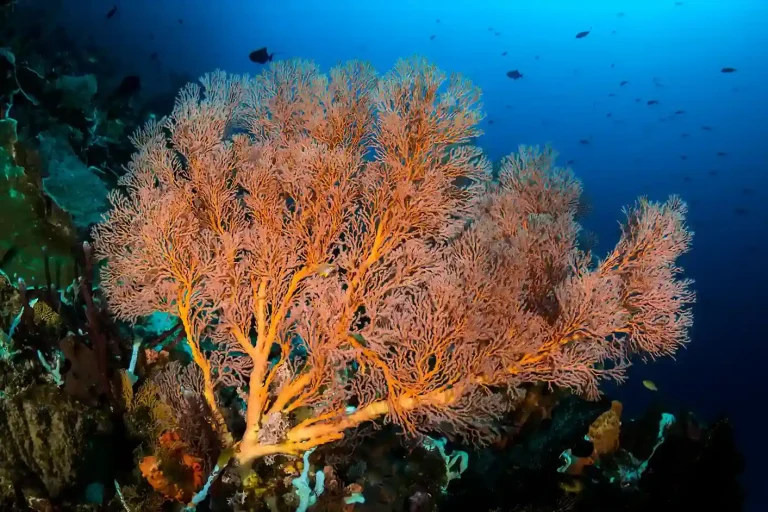
The sheer density of marine life in Misool is difficult to comprehend until you are submerged in it. Dr. Gerald R. Allen, the renowned ichthyologist, famously counted 374 species of fish on a single dive here. This abundance includes a healthy population of sharks—primarily blacktip and whitetip reef sharks, grey reef sharks, and the occasional, wonderfully camouflaged wobbegong. For the uninitiated, their presence can be intimidating. Yet, Misool is a designated shark sanctuary, and these animals are remarkably unbothered by divers. The risk they pose is statistically infinitesimal. The more practical safety consideration lies with the smaller, stationary creatures. A brush against fire coral or a misplaced hand near a stonefish can cause issues. This is where fundamental dive training—perfecting buoyancy and maintaining a respectful distance—is paramount. A quality dive operator reinforces these principles relentlessly. Before our dive at ‘Nudi Rock,’ the briefing included specific reminders about the delicate pygmy seahorses living on the gorgonian fans and the importance of not touching the coral. This isn’t just about conservation; it’s about diver safety. The greatest danger in these waters is not the wildlife, but a lack of awareness. By fostering a culture of observation over interaction, we ensure the safety of both the diver and the delicate ecosystem that, according to UNESCO, holds the highest recorded marine biodiversity on Earth.
For the Novice Diver: Is Misool a Good Place to Learn?
So, what about the diver with only a dozen or so logged dives? Can they safely enjoy Misool? The answer is a resounding yes, with the critical caveat of choosing the right itinerary and operator. While Misool is famed for its high-voltage drift dives, it also boasts an incredible number of sheltered bays and protected reefs that are perfect for newer divers. Sites within the Fiabacet chain or the calm leeward side of Wayilbatan island offer gentle conditions, superb visibility, and depths that rarely exceed 18-20 meters. The water temperature, a consistent 28-30°C year-round, eliminates the discomfort and distraction of cold water, allowing a novice to focus purely on buoyancy and the astonishing scenery. A superior liveaboard, such as the ones offered by Misool Diving — Raja Ampat South Pristine Reef Expeditions, will often group divers by experience level. This ensures that while the advanced group is exploring a deep pinnacle, the newer divers are having an equally spectacular but less demanding experience in a tranquil coral garden. In many ways, Misool is an ideal place to build confidence and skills. Completing an Advanced Open Water certification here, under the tutelage of a guide who knows these waters intimately, is an experience that can shape the entire future of one’s diving journey. The crucial element is transparency: being honest about your experience level with your dive operator so they can place you in situations where you will not just be safe, but where you will thrive.
The Liveaboard Advantage: A Controlled Environment on the High Seas
In a region as undeveloped as Misool, a liveaboard is not just a mode of transport; it is your self-contained biosphere of safety and comfort. Unlike a land-based resort, which is fixed to one location, a vessel has the ultimate flexibility to respond to changing weather and sea conditions. If a particular channel has unexpectedly strong currents, the captain can simply navigate to a more protected archipelago a few kilometers away. This mobility is a significant safety asset. Furthermore, the entire operation is integrated. The dive guides, boat crew, and captain are in constant communication. The dive tenders are purpose-built for local conditions, and their drivers are experts at pickups in a variety of sea states. The food preparation adheres to strict hygiene standards to prevent illness, a critical factor on any remote expedition, as highlighted by travel health advisories for travel in Indonesia. From the purity of the air in your tank—tested regularly for contaminants—to the diligence of the crew tracking your surface intervals, every aspect of the day is managed within a closed-loop system designed for safety. This comprehensive, holistic approach is what allows access to such a wild place without compromising on the highest international safety standards. It’s a floating boutique hotel, research station, and dive center all rolled into one impeccably managed platform.
Quick FAQ: Your Misool Diving Safety Questions Answered
Even with the best preparations, specific questions always arise. Here are some of the most common queries I receive from fellow travelers considering a trip to this part of Raja Ampat.
What is the protocol for a decompression sickness (DCS) emergency?
The nearest hyperbaric chamber is a significant distance away, reinforcing the absolute necessity of conservative diving. On our vessel, dive computers are mandatory for every guest. All dive profiles are planned well within no-decompression limits, and multi-level diving with slow ascents and extended safety stops is the standard operating procedure. Every guide and crew member is trained in administering emergency oxygen, which is the critical first-response treatment for any suspected DCI.
What level of dive insurance is required?
Comprehensive dive insurance is not just recommended; it is mandatory on all reputable liveaboards. Policies from organizations like Divers Alert Network (DAN) are the industry standard. This insurance should cover medical expenses, emergency medical evacuation, and hyperbaric chamber treatments. It is a small investment that provides an essential safety net for peace of mind in a remote environment.
How are dive groups managed for safety?
Small group sizes are a hallmark of a premium diving operation. We maintain a strict ratio of four divers to one guide. This ensures that the guide can provide personal attention to each diver, monitor air consumption closely, and make real-time adjustments to the dive plan based on the group’s comfort level. It also minimizes the environmental impact on the delicate reefs.
Are night dives in Misool safe?
Yes, night dives are a regular and spectacular feature of a Misool itinerary, but they are conducted with heightened safety measures. They take place at well-scouted, shallow, and calm sites. Every diver is required to have a primary and a backup dive torch. The guide-to-diver ratio is often even smaller, ensuring everyone remains in close contact. It’s an opportunity to see a completely different cast of nocturnal marine characters in a very controlled setting.
Ultimately, safety in Misool is a partnership. It is a fusion of your own preparedness—your training, your fitness, your honesty about your skill level—and the uncompromising professionalism of the crew you entrust with your adventure. The reefs of Misool demand respect, but they reward the prepared diver with scenes of such overwhelming life and beauty that they redefine one’s understanding of the ocean. The question is not whether you will be safe, but whether you are ready to witness the pinnacle of marine biodiversity. The answer to that can only be found 15 meters below the surface.
Explore our meticulously planned expeditions and discover the unparalleled service and safety protocols that define the misool diving experience. We believe the world’s most extraordinary places should be experienced with the utmost confidence and care.
Keep Reading
Travel Journal
Best Misool Pinnacle Dives 2027: A Comprehensive Guide
Misool's pinnacle dive sites offer extraordinary biodiversity and stunning underwater landscapes, making them an essential part of any diving itinerary…
Travel Journal
Best Budget Options to Dive Misool 2027
For 2027, the best budget options to dive Misool include exploring shared accommodation packages and group diving deals at local…
Travel Journal
Exploring the Best Misool Wall Dives 2027: Unveiling Dramatic Underwater Topography
For those seeking the best Misool wall dives in 2027, head to the southern region of Raja Ampat. This area…