
Sustainability, Conservation & Ethical Travel In Misool & Komodo
Understanding Sustainability and Conservation in Misool and Komodo
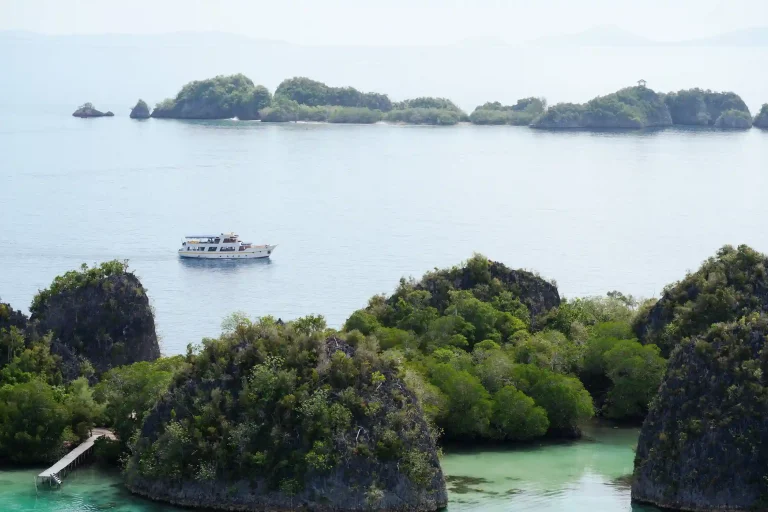
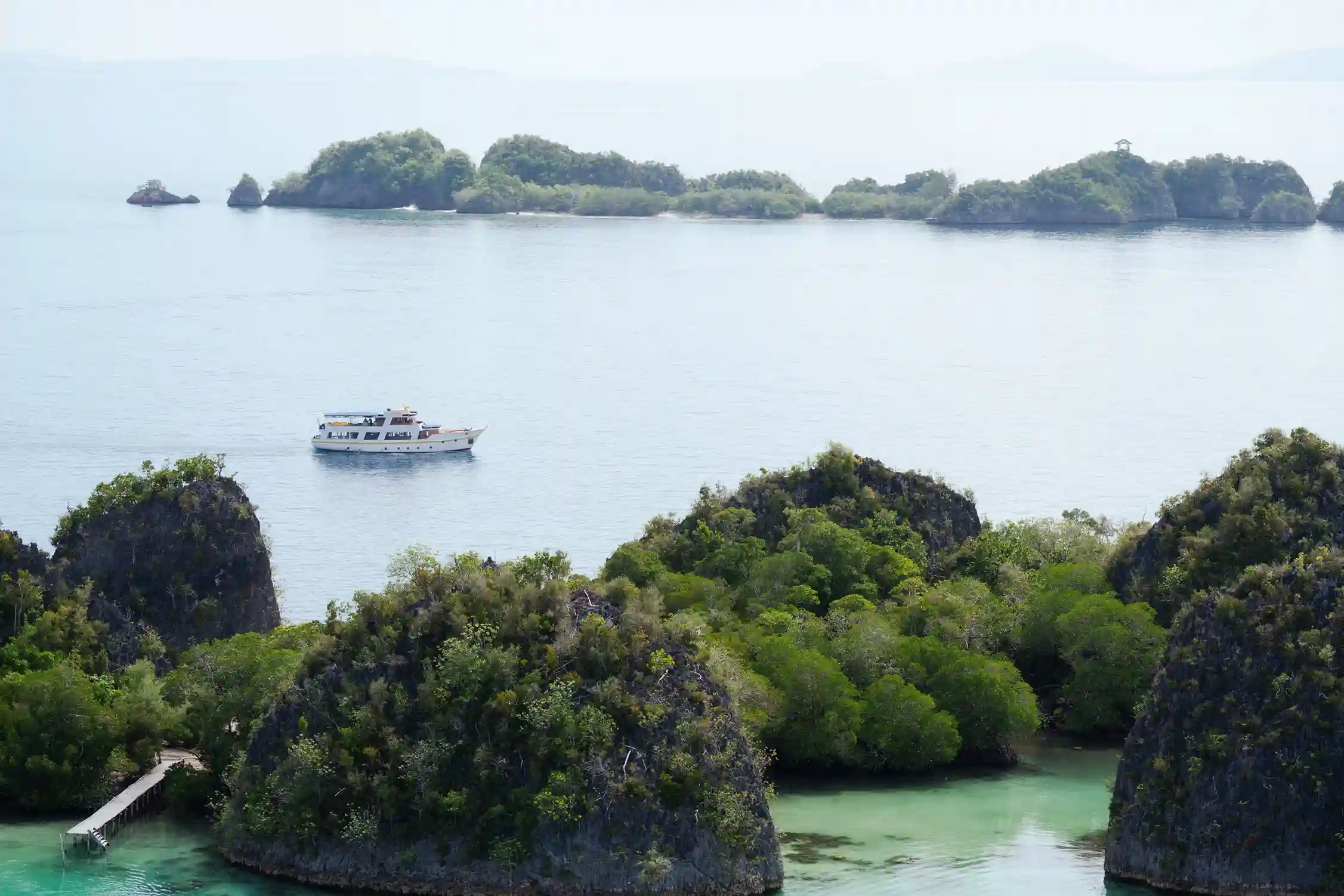
In recent years, sustainable and ethical travel has become a cornerstone of tourism in Indonesia, particularly in the breathtaking regions of Misool and Komodo. These areas are not only known for their stunning landscapes and rich biodiversity but also for their commitment to preserving the environments that draw thousands of visitors each year. In this post, we’ll explore the principles of sustainability and conservation in these regions, along with practical tips for traveling responsibly.
Misool Marine Reserve Conservation
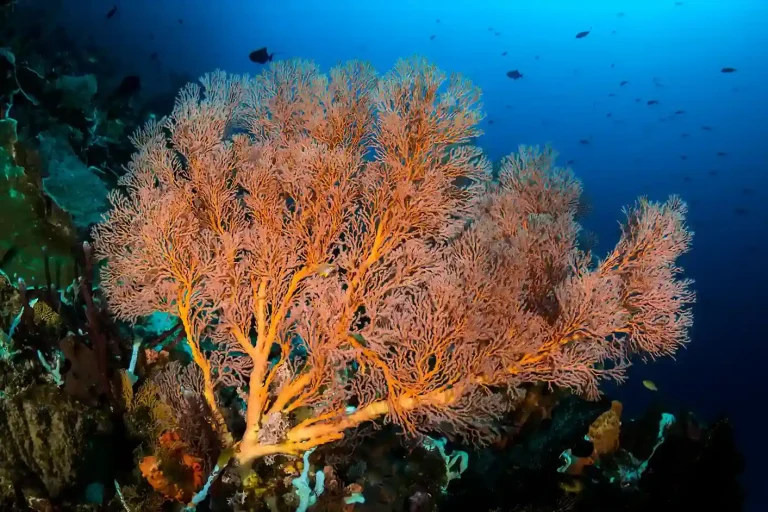
Misool, in the heart of Raja Ampat, is home to the Misool Marine Reserve, a crucial area for marine biodiversity. Established in 2005, this reserve spans over 1,700 square kilometers and is designed to protect its rich marine ecosystem, including over 1,000 species of fish and 600 species of coral. The conservation effort is funded through eco-tourism, where a significant portion of the fees from diving and tours goes directly into conservation initiatives. In 2026, diving fees are approximately $60 (IDR 900,000) per dive, contributing directly to the local economy and conservation projects.
The Misool Marine Reserve has been recognized for its success in fish population recovery, thanks in part to the establishment of no-take zones within the reserve. These areas have shown a remarkable rebound of marine life, making it a prime dive destination for both enthusiasts and researchers.
Is Misool Eco-Friendly? Exploring Eco-Friendly Resorts
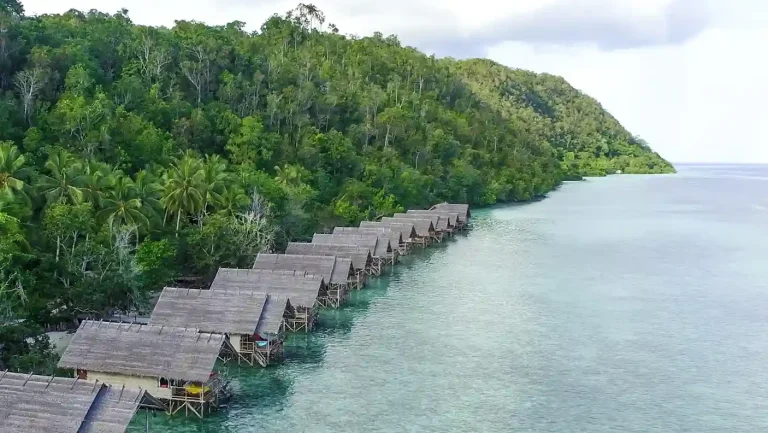
Traveling to Misool offers opportunities to stay at eco-friendly resorts that prioritize sustainability. This resort, built from reclaimed wood and featuring solar power, is entirely committed to environmental sustainability. It operates on a principle of “green energy,” utilizing renewable resources to minimize its carbon footprint.
Guests can enjoy luxurious accommodations while knowing their contributions support local conservation efforts and community development.
Responsible Diving Guidelines in Komodo
Diving in Komodo is a remarkable experience, with vibrant coral reefs and diverse marine life including the famed Komodo dragons. However, responsible diving practices are essential to ensure the preservation of this delicate ecosystem. Here are some guidelines for diving in Komodo:
- Respect marine life: Avoid touching or disturbing coral and marine creatures. Maintaining a safe distance allows for better observation without causing harm.
- Limit your gear: Use reef-safe sunscreen to avoid harmful chemicals entering the ocean. Brands like Raw Elements offer biodegradable options.
- Follow local regulations: Always adhere to the guidelines set by dive operators, including specific depth limits and site restrictions to minimize impact.
By following these guidelines, divers can help protect the underwater environments that make Komodo such a special destination.
How to Choose an Ethical Liveaboard in Indonesia
Choosing an ethical liveaboard is crucial for responsible travel. In 2026, liveaboard prices in Indonesia range from $1,200 to $3,500 (IDR 18,000,000 to IDR 52,500,000) for a week, depending on the amenities and services offered. Here are some tips to ensure your choice is ethical:
- Research the operator: Look for companies that are certified by eco-labels or are members of recognized conservation organizations.
- Examine their practices: Inquire about waste management, water conservation, and community engagement efforts. Responsible operators will often share their sustainability policies.
- Seek local partnerships: Ethical liveaboards often work with local communities, providing training and employment opportunities for residents.
Engaging with ethical operators not only enhances your experience but also supports local economies and conservation efforts.
Plastic-Free Tips for Liveaboard Trips
Plastic waste is a significant threat to marine ecosystems, making plastic-free travel imperative. Here are practical tips for keeping your liveaboard experience free from plastic:
- Bring reusable water bottles: Stainless steel or BPA-free options are perfect for hydration during your trip.
- Use eco-friendly toiletries: Choose solid shampoos, conditioners, and soaps to reduce plastic use and avoid harmful chemicals.
- Avoid single-use items: Say no to plastic straws and utensils; opt for bamboo or metal alternatives instead.
By embracing these practices, you can significantly reduce your ecological footprint while enjoying the stunning marine environments of Raja Ampat and Komodo.
Supporting Local Communities in Labuan Bajo
Labuan Bajo serves as the gateway to Komodo National Park and is a key area for supporting local communities. Engaging with local businesses and artisans not only enhances your travel experience but also contributes to sustainable development. Here’s how to help:
- Shop locally: Purchase handicrafts and souvenirs directly from artisans to ensure they receive fair compensation for their work.
- Eat at local restaurants: Choose establishments that source ingredients locally, which often ensures fresher meals and supports the economy.
- Participate in community activities: Join local tours that offer experiences with the residents, such as cooking classes or cultural performances.
By actively supporting local communities, travelers can help promote social and economic sustainability in Labuan Bajo.
The Impact of Komodo Tourism on Dragons
The Komodo dragon, a species unique to Indonesia, faces numerous challenges from tourism. While it draws visitors from around the world, the increase in tourist traffic can disrupt their habitats and breeding patterns. In 2026, the Indonesian government has implemented measures to regulate tourist activities, such as limiting the number of visitors to Komodo National Park and establishing designated viewing areas.
Responsible tourism practices can minimize the impact on these remarkable creatures:
- Follow park rules: Stick to designated paths and respect the distance guidelines set by park rangers.
- Educate yourself: Understanding the behavior and needs of Komodo dragons can foster a greater appreciation and encourage responsible viewing.
- Support conservation efforts: Consider donating to organizations that work towards preserving their natural habitats and raising awareness about their conservation.
Engaging in responsible tourism is vital for ensuring the survival of this iconic species and the integrity of Komodo’s unique ecosystem.
Carbon Offsetting for Flights to Sorong
Traveling to Misool and Komodo typically involves flying into Sorong, which contributes to carbon emissions. In 2026, the average cost of a round-trip flight from Jakarta to Sorong is approximately $300 (IDR 4,500,000). To mitigate your carbon footprint, consider participating in carbon offset programs. These initiatives allow travelers to invest in projects that reduce greenhouse gas emissions, such as reforestation or renewable energy projects.
Before booking your flights, research airlines that offer carbon offset programs, allowing you to calculate your emissions and contribute accordingly. Offsetting your travel can align with your commitment to responsible and sustainable tourism.
Volunteering Opportunities in Raja Ampat Diving
For those looking to give back, volunteering opportunities abound in Raja Ampat. Organizations like the Raja Ampat Research and Conservation Center offer programs for divers to assist with marine conservation efforts. These positions typically require a commitment of two weeks or more, and in 2026, costs for volunteer programs vary from $300 to $800 (IDR 4,500,000 to IDR 12,000,000), often including accommodation and training.
Volunteering allows travelers to immerse themselves in the community while making meaningful contributions to conservation efforts. Whether conducting reef surveys or helping with community education programs, the experience can be both rewarding and impactful.
Conclusion
As travelers flock to the beautiful regions of Misool and Komodo, it becomes increasingly important to prioritize sustainability and ethical practices. By understanding the conservation efforts in place, choosing eco-friendly accommodations, and actively supporting local communities, we can ensure that these stunning destinations remain vibrant and intact for generations to come. Embrace responsible travel, and let’s protect these natural wonders together.
FAQ
- What is the best time to visit Misool and Komodo for diving? The ideal months for diving are from October to April, when water conditions are calm and visibility is excellent.
- Are there any restrictions on diving in the Misool Marine Reserve? Yes, certain areas are designated as no-take zones and have specific guidelines to protect marine life.
- Can I visit Komodo National Park without diving? Yes, there are hiking and wildlife viewing opportunities for non-divers to enjoy the unique ecosystem.
Explore more from Misooldiving
Keep Reading
Travel Journal
Best Misool Pinnacle Dives 2027: A Comprehensive Guide
Misool's pinnacle dive sites offer extraordinary biodiversity and stunning underwater landscapes, making them an essential part of any diving itinerary…
Travel Journal
Best Budget Options to Dive Misool 2027
For 2027, the best budget options to dive Misool include exploring shared accommodation packages and group diving deals at local…
Travel Journal
Exploring the Best Misool Wall Dives 2027: Unveiling Dramatic Underwater Topography
For those seeking the best Misool wall dives in 2027, head to the southern region of Raja Ampat. This area…