Misool Diving Raja Ampat Safety & Trust

Misool diving in Raja Ampat represents the pinnacle of underwater exploration, backed by an unwavering commitment to diver safety and operational integrity. This involves adherence to stringent international certifications, meticulous equipment maintenance, comprehensive emergency protocols, and a highly trained, experienced team dedicated to your well-being.

  • International dive certifications (PADI, SSI) for all instructors and guides.
  • State-of-the-art emergency communication and medical response plans.
  • Rigorous daily and periodic inspection of all dive gear and vessels.

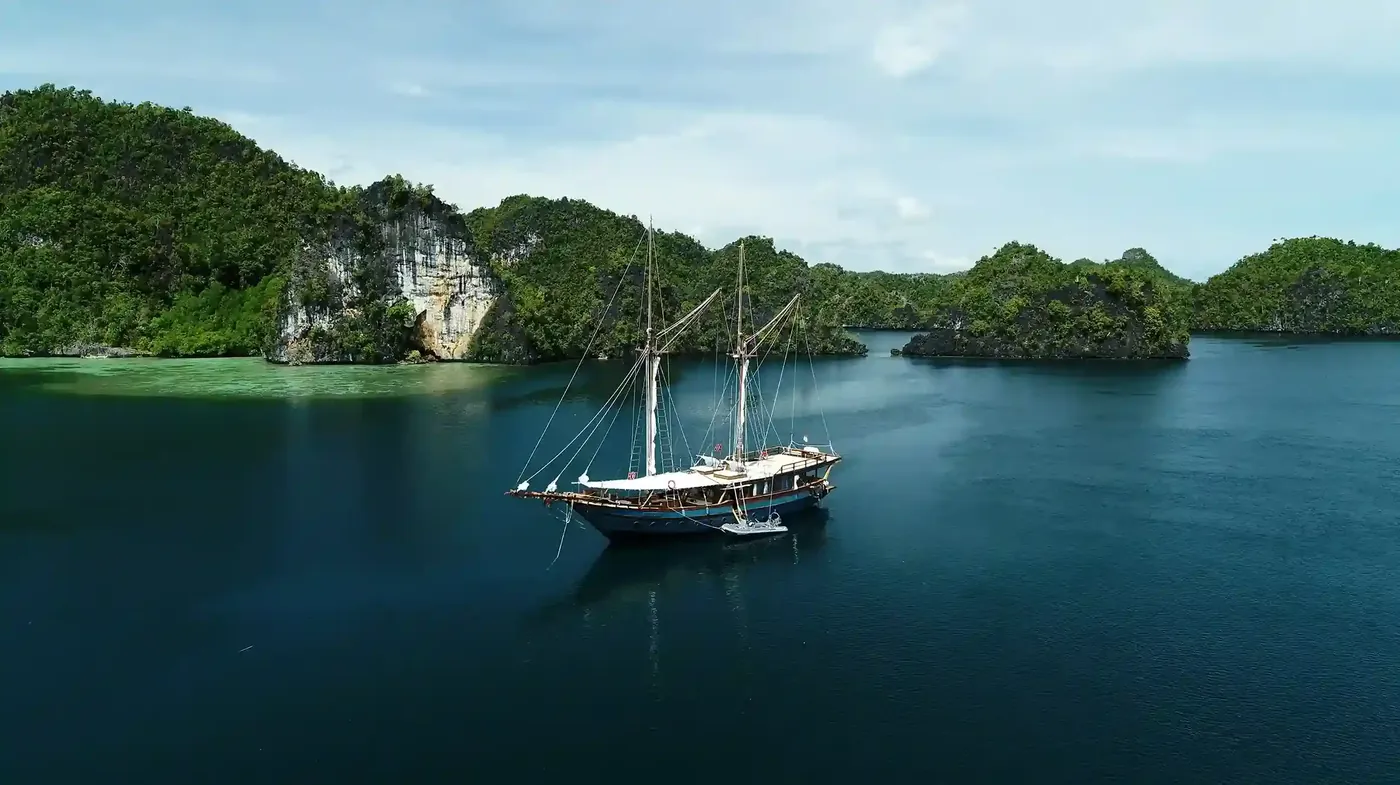
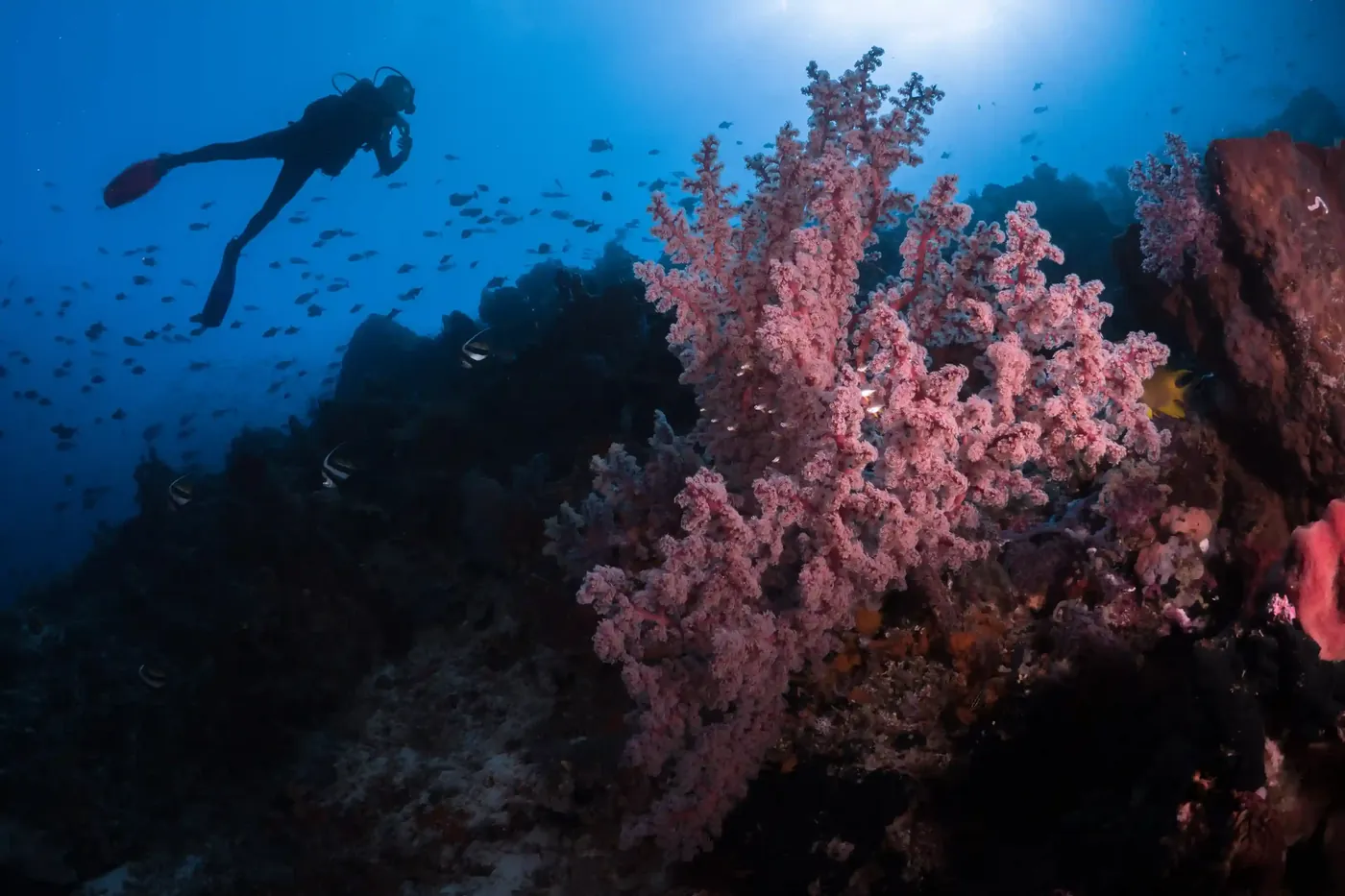
The gentle sway of the liveaboard, the sun warm on your skin, and the whisper of the Arafura Sea against the hull – this is the prelude to an adventure beneath the waves. As you prepare for your next descent into the vibrant coral gardens of Raja Ampat, a sense of profound tranquility settles. It’s not just the pristine beauty that calms you, but the unspoken assurance that every detail, every protocol, has been meticulously handled. You trust the experienced hand guiding you, the robust equipment, the well-honed emergency plan that stands ready, silent and unseen. This peace of mind, integral to the luxury experience, allows you to fully immerse in the kaleidoscope beneath the surface, knowing your safety is the paramount consideration for any reputable misool diving operator.

Unwavering Standards: Certifications & Global Best Practices

Venturing into the remote, pristine waters surrounding Misool demands an operator whose commitment to safety is not merely a promise, but a demonstrable standard. Reputable misool diving operators adhere strictly to international dive training agency protocols, primarily PADI (Professional Association of Diving Instructors) and SSI (Scuba Schools International). Every dive professional on staff, from your lead instructor to the support crew, holds current and advanced certifications. For instance, dive guides typically possess Divemaster or Instructor ratings, often with hundreds, if not thousands, of logged dives in these specific waters. All instructors maintain active teaching status, undergoing annual refreshers and skill assessments. This ensures their knowledge of emergency procedures, rescue techniques, and first aid remains sharp and current, reflecting global best practices in dive safety.

Beyond individual certifications, the operation itself often holds accreditations that speak volumes about its operational integrity. Boats are registered and comply with Indonesian maritime safety regulations, which include regular inspections for seaworthiness and safety equipment. Many operators also voluntarily exceed these local requirements, aligning with international standards set by organizations like the Recreational Scuba Training Council (RSTC). You can expect a maximum diver-to-guide ratio, frequently as low as 4:1 for recreational dives and even lower for more challenging drift or technical dives. This personalized attention ensures each diver receives appropriate supervision and support throughout their underwater journey. Furthermore, a significant investment is made in continuous professional development; many staff members undergo advanced courses in marine conservation, specialized rescue techniques, and even hyperbaric medicine awareness, deepening their expertise and enhancing overall safety.

Beyond the Surface: Comprehensive Emergency Protocols

While the goal of every dive is a seamless, joyous exploration, anticipating and preparing for the unexpected is the hallmark of a truly trustworthy operation. Misool diving operators establish comprehensive Emergency Action Plans (EAPs) that are not just theoretical documents but living protocols, regularly drilled and refined. Each liveaboard and dive center is equipped with multiple oxygen units, sufficient for extended use, along with comprehensive first aid kits that meet international standards. These kits are routinely checked and restocked, with specific attention to marine-specific injuries. All dive staff are certified in Emergency First Response (EFR) and often hold advanced certifications in remote area first aid or wilderness medicine, capable of managing a range of incidents from minor cuts to serious medical emergencies.

Communication is paramount in these remote areas. Vessels are equipped with multiple redundant communication systems: satellite phones, VHF radios, and often personal locator beacons (PLBs) for dive groups. These systems ensure immediate contact can be made with shore bases, other vessels, or emergency services if required. In the unlikely event of a dive-related injury requiring hyperbaric treatment, the closest recompression chamber is located in Sorong, approximately 165 kilometers (or a 4-6 hour fast boat journey) from the Misool area. Operators have established clear protocols for rapid evacuation, often involving coordination with private medical charter services or the Indonesian Navy for severe cases. Daily checks of all safety equipment, including life rafts, fire extinguishers, and emergency flares, are standard practice, ensuring every component is ready for immediate deployment. The commitment to these rigorous emergency preparedness standards provides an essential layer of security, allowing divers to relax and fully appreciate the unparalleled beauty below.

The Human Element: Expert Crew & Continuous Training

The heart of any safe diving operation lies not just in its equipment, but in the expertise and dedication of its people. For misool diving, this means a team of highly experienced professionals who possess not only advanced dive certifications but also an intimate, almost intuitive, knowledge of the local marine environment. Dive guides are often local to Raja Ampat, having spent decades exploring these very reefs. They understand the intricate currents, predict tidal shifts with remarkable accuracy, and can identify subtle changes in weather patterns that might affect a dive. This invaluable local wisdom, combined with their professional training, ensures that every dive site is approached with the utmost respect for both diver safety and marine conservation.

Beyond their initial certifications, the crew undergoes continuous professional development. This isn’t just about maintaining their PADI or SSI status; it involves regular workshops on marine biology, advanced navigation, emergency management, and customer service. For instance, boat captains hold relevant maritime licenses and possess extensive experience navigating the complex channels and open waters of Raja Ampat, a region known for its strong currents and numerous small islands. Their expertise is honed through years of practical experience, often exceeding 10,000 nautical miles traversed. Furthermore, a strong safety culture permeates the entire team, from the kitchen staff who maintain hygiene standards to the deckhands who meticulously prepare dive gear. Regular drills, including man-overboard procedures and fire safety exercises, are conducted quarterly, ensuring every team member knows their role and can act decisively under pressure. This collective commitment to excellence and safety fosters an environment of trust, allowing divers to surrender to the magic of the underwater world with complete confidence in their guides and crew.

State-of-the-Art Equipment & Meticulous Maintenance

In the realm of luxury diving, the quality and reliability of equipment are non-negotiable. Reputable misool diving operations invest heavily in state-of-the-art dive gear and maintain it with uncompromising rigor. You will find only top-tier brands for regulators, BCDs, dive computers, and tanks, ensuring peak performance and reliability. Every piece of rental equipment undergoes a thorough inspection after each use and is serviced annually by certified technicians, often adhering to manufacturer-specific guidelines. For example, regulators are typically serviced every 100 dives or annually, whichever comes first, ensuring optimal airflow and function.

The vessels themselves are subject to equally stringent maintenance schedules. Liveaboards and day boats are meticulously maintained, with engines serviced every 250 hours of operation and dry-docked annually for comprehensive hull inspections and repairs. Onboard safety equipment is checked daily before departure: life jackets for every passenger, emergency rafts with a capacity exceeding the maximum number of guests and crew, fire suppression systems, and comprehensive first aid stations. Navigation equipment, including GPS, sonar, and radar, is regularly calibrated and updated. Dive compressors, which fill the tanks with air, are maintained according to strict manufacturer specifications, with air quality tests conducted quarterly to ensure the breathing air meets international purity standards, typically ISO 12021. This meticulous attention to detail extends to every aspect of the operation, from the quality of the dive masks to the integrity of the anchor chain, providing an invisible yet robust layer of safety that underpins your entire diving experience. For more insights into marine safety regulations in Indonesia, refer to official government resources such as Indonesia.go.id.

Your Peace of Mind: Insurance & Financial Protections

While operators take every conceivable precaution, the unpredictable nature of travel and adventure sports necessitates a robust approach to insurance. For discerning travelers embarking on a misool diving expedition, comprehensive personal travel and dive insurance are not merely recommendations but essential components of responsible planning. Reputable operators will strongly advise, and sometimes require, proof of dive insurance coverage. Organizations like DAN (Divers Alert Network) offer specialized policies that cover dive accidents, including hyperbaric treatment and emergency evacuation, which can be incredibly costly without proper coverage – a single recompression session can range from $1,000 to $5,000 USD, depending on duration and complexity. These policies often include provisions for medical emergencies unrelated to diving, ensuring holistic protection.

Beyond personal coverage, operators themselves carry extensive liability insurance. This protects both the company and its guests against unforeseen circumstances, covering aspects from operational negligence to equipment failure. Transparency regarding these policies is a hallmark of trusted providers. Before booking, inquire about the operator’s insurance coverage and understand its scope. Furthermore, payment processes should be secure and transparent. Many luxury operators offer flexible booking terms, sometimes with deposits requiring only a percentage (e.g., 20-30%) upfront, with the balance due closer to the travel date. They often accept major credit cards and bank transfers, with clear refund and cancellation policies outlined in their terms and conditions. This financial transparency and robust insurance framework provide an additional layer of peace of mind, allowing you to focus on the unparalleled beauty of Raja Ampat’s underwater world, knowing you are well-protected. Further information on travel safety and insurance can be found on resources like Wikipedia’s Travel Insurance page.

Trust Through Transparency: Operator Vetting & Community Commitment

The foundation of trust in a misool diving experience extends beyond certifications and equipment; it encompasses an operator’s ethical practices, transparency, and commitment to the local environment and communities. Trustworthy operators in Raja Ampat are often deeply entwined with conservation efforts, recognizing that the health of the reefs is directly linked to their livelihood and the future of the region. Many collaborate closely with organizations like the Misool Foundation, which works tirelessly to protect the Misool Marine Protected Area, a no-take zone spanning over 1,220 square kilometers. This commitment is not just philanthropic; it ensures the pristine dive sites you experience today will remain vibrant for generations to come, a testament to responsible tourism.

Vetting an operator involves looking at their history, their community engagement, and their public record. Operators with a long-standing presence, often over 10-15 years, have built a reputation based on consistent safety and guest satisfaction. They actively engage with local villages, employing staff from the surrounding communities (often 80-90% of their non-dive crew) and supporting local economies through fair wages and purchasing local goods. This commitment fosters a sense of shared responsibility for the environment and the guests. Transparency in their operations, from clear pricing and booking terms to open communication about safety records and environmental initiatives, builds confidence. They provide detailed pre-trip information, including medical questionnaires and dive liability waivers, ensuring all participants are fully informed and prepared. Choosing an operator that champions these values means you are not just booking a dive trip, but contributing to a sustainable, ethical tourism model that benefits everyone involved. Explore more about the unique biodiversity of this region on Indonesia.travel’s Raja Ampat page, and consider how your choices support its preservation. For more booking details, visit our booking information page.

As the anchor lifts and the liveaboard glides silently towards the next dive site, you carry with you not just the memories of incredible encounters with manta rays and vibrant coral, but a deep sense of security. Every aspect of your journey, from the moment you considered this extraordinary adventure to the final, exhilarating dive, has been underpinned by an unwavering commitment to your safety and trust. This is the promise of Misool, a destination where unparalleled natural beauty meets meticulous operational excellence. Ready to experience this peace of mind firsthand? Chart your course to the heart of marine biodiversity. Begin planning your meticulously safe and utterly unforgettable adventure with us today. Explore more about our commitment to excellence on our homepage or discover specific dive sites on our Raja Ampat Dive Sites page.

Chat with visa expert 💬