
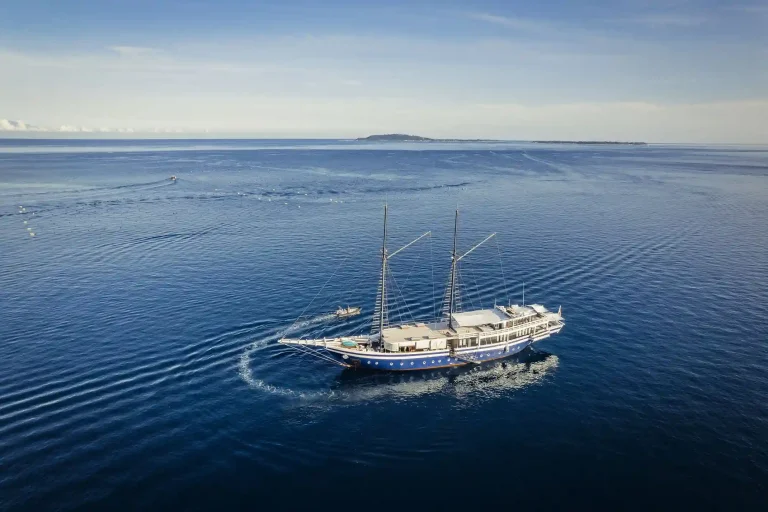
Planning a Misool Diving Trip in October: What to Expect
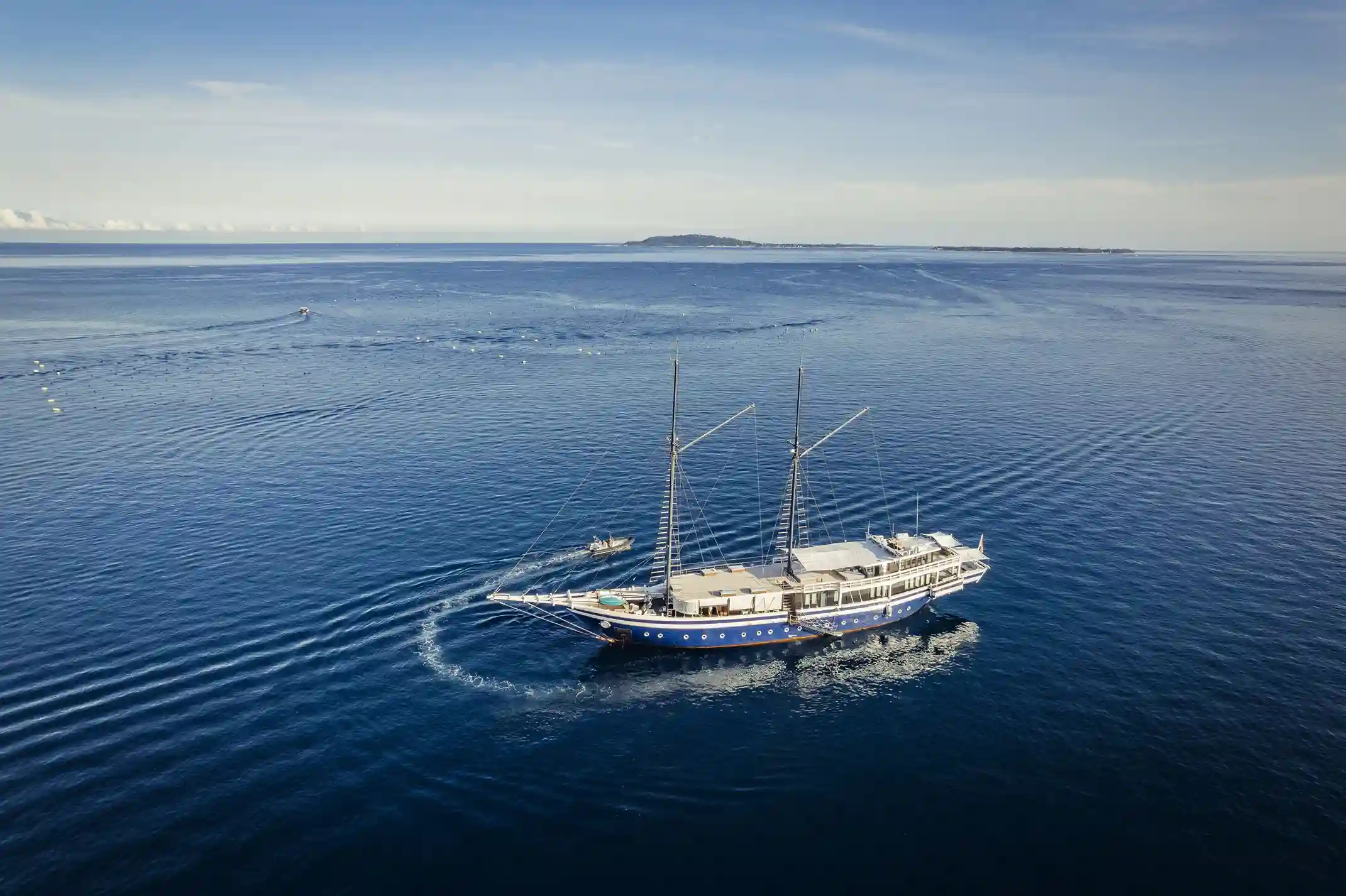
- Peak visibility often reaches 25-30 meters.
- The official start of the Manta Ray aggregation season.
- Dry, sunny weather with minimal rainfall and placid sea surfaces.
The air hangs heavy, thick with the scent of salt and ancient, damp limestone. Below, the gentle thrum of the vessel’s engine is the only sound that interrupts the profound quiet of the archipelago. As the sun climbs, it ignites the turquoise water, revealing the shadowy outlines of coral gardens far beneath the surface. This is the moment of arrival. You are in Misool, and it is October. The world’s most biodiverse marine sanctuary is awakening from its brief slumber, and you have a front-row seat. After years of covering the world’s most exclusive destinations, I can tell you that few experiences compare to the sheer vitality of this place at this specific time of year. It’s not just a trip; it’s a pilgrimage to the very heart of the ocean’s creative force.
Decoding October’s Weather and Water Conditions
To truly understand the allure of a misool diving trip in october, one must first appreciate the meteorological transition that occurs. This month signals a definitive shift away from the less predictable southeast monsoon season (June-September) into the calm, dry northwest monsoon period, which represents the peak diving season. October is the sweet spot, the very beginning of this prime window, offering the benefits of high season with a lingering sense of early-access exclusivity. Air temperatures remain consistently tropical, hovering between 27-31°C (81-88°F), while the water is a welcoming 28-29°C (82-84°F). For most divers, a 3mm full-length wetsuit provides the perfect balance of thermal protection and flexibility for multiple daily dives.
The most significant advantage, however, is the sea state. The winds that can stir the seas in preceding months have largely subsided, resulting in placid, glassy surfaces. This calmness is not merely a comfort for those aboard the liveaboard; it is a critical factor for diving. It allows for effortless entry and exit at dive sites and makes navigating the intricate network of karst islands and hidden lagoons a serene experience. Furthermore, this tranquility contributes to the month’s signature feature: extraordinary underwater visibility. With minimal rainfall—typically short, passing showers on fewer than 12 days of the month—there is significantly less terrestrial runoff. The sediment has settled, and the water column clears to an average of 25 meters, frequently pushing beyond 30 meters on good days. This clarity transforms the reefs, revealing their full scale and complexity in a way that is simply not possible at other times of the year.
Marine Life Encounters: Why October is Exceptional
While the conditions are superb, it’s the marine life that provides the true narrative for an October expedition. This month heralds the start of what many local guides consider the most dynamic period for megafauna. It is the beginning of the Manta Ray aggregation season. Both oceanic mantas (Mobula birostris), with wingspans reaching up to 7 meters, and their smaller cousins, the reef mantas (Mobula alfredi), begin to congregate in greater numbers at renowned cleaning stations. Sites like Magic Mountain become underwater ballets, where these magnificent animals queue patiently for wrasse to clean them. “October has a different energy,” explains Andi, our lead guide for over a decade. “The reefs seem to awaken. The big animals move in with confidence.”
Beyond the mantas, the shark population is a constant, thrilling presence. Healthy numbers of blacktip, whitetip, and grey reef sharks patrol the reef edges, a testament to the success of the Misool Marine Reserve. On the seafloor, the patient observer can spot the ornate and exceptionally camouflaged wobbegong shark. The sheer biomass of fish is an experience in itself. According to a 2006 Conservation International survey, Raja Ampat hosts an incredible 1,427 reef fish species. In October, you feel the weight of that number as you descend into colossal, swirling schools of fusiliers, jacks, and barracuda. The clear water makes these encounters all the more impactful, allowing you to appreciate the vast scale of life. For macro-enthusiasts, the calm conditions are a boon for photography, making it easier to spot and shoot cryptic creatures like the Denise’s and Bargibanti’s pygmy seahorses, a multitude of vibrant nudibranchs, and the elusive flamboyant cuttlefish.
Navigating the Misool Marine Reserve: A Liveaboard Perspective
Misool’s immense and fragmented geography, a protected area spanning over 1,220 square kilometers of remote seascape, makes a land-based operation impractical for the serious diver. The true essence of Misool can only be captured by a dedicated liveaboard. This is not just a matter of logistics; it is a matter of philosophy. A vessel like ours, part of the Misool Diving — Raja Ampat South Pristine Reef Expeditions, serves as a floating research station and a portal to the otherwise inaccessible. The journey from the port of Sorong to the heart of the Misool archipelago is roughly 160 kilometers, an overnight passage that transports you from civilization to a world that time has largely forgotten. This isolation is a core part of the appeal and the reason for its pristine state.
A typical day on an October expedition is structured around the rhythm of the tides and the activity of the reef. It begins with a pre-dawn coffee as the boat positions for the first dive, often a thrilling drift along a current-swept point. After a chef-prepared breakfast, the second dive explores a different underwater topography—perhaps a cavern system or a vibrant soft coral garden. Lunch is followed by a third dive, and on many days, a fourth dusk or night dive is offered to witness the reef’s nocturnal transformation. This curated schedule, impossible to replicate from a single location, ensures that you are always at the right place at the right time. The Misool Marine Reserve, a key part of the larger Raja Ampat archipelago, is recognized by UNESCO as a site of global significance for marine biodiversity, and our expeditions are designed with a deep respect for its conservation, operating under strict sustainability guidelines.
Signature Dive Sites and What Makes Them Shine in October
While every dive in Misool is remarkable, certain sites become legendary in October’s optimal conditions. Magic Mountain is arguably the most famous. This submerged seamount is a cleaning station and a crossroads for marine life. In October, the exceptional visibility allows you to hang back in the blue and watch the entire drama unfold: oceanic mantas gliding in from the deep, reef sharks patrolling the perimeter, and Napoleon wrasse inspecting the reef crest. The clarity turns a great dive into a cinematic experience. Another iconic area is the Fiabacet chain, which includes sites like Boo Windows and Whale Rock. Boo Windows, with its two swim-through “eyes,” is bathed in dramatic shafts of sunlight thanks to the clear skies of October. The calm seas make navigating these structures safe and awe-inspiring.
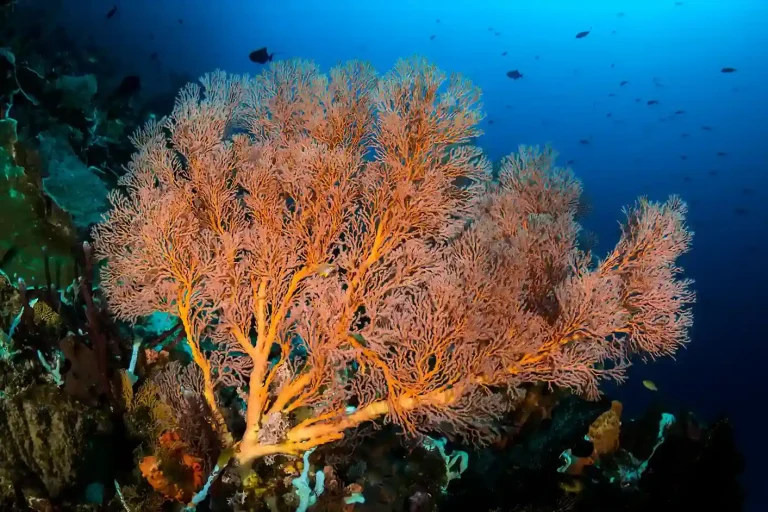
Whale Rock is renowned for its mind-boggling schools of fish, and the visibility allows you to see from one end of the massive reef to the other, fully appreciating the scale of the biomass. For those with a keen eye for smaller wonders, Nudi Rock and Tank Rock are macro havens. The placid water state is a huge advantage here. Instead of fighting surge or current, you can remain perfectly still, focusing your lens on a tiny pygmy seahorse clinging to a gorgonian fan or a rare nudibranch making its way across a sponge. The lack of water movement brings a sense of calm and precision to the pursuit of macro photography, making a misool diving trip in october a photographer’s dream. Each site, from the high-voltage corners to the quiet coral gardens, is presented in its absolute best light during this peak month.
The Logistics of Your October Expedition
Planning a journey to a destination as remote and sought-after as Misool requires foresight. October falls squarely at the beginning of the high season, and as such, demand is significant. We advise clients to book their expeditions at least 9 to 12 months in advance to secure a place, especially for specific dates or cabin preferences. The logistical chain begins with a flight to Sorong’s Domine Eduard Osok Airport (SOQ), the gateway to Raja Ampat. Most international travelers connect through major Indonesian hubs like Jakarta (CGK) or Makassar (UPG). From the moment you land in Sorong, our dedicated team manages every detail. We handle the airport transfers, ensure your gear is safely stowed, and process the necessary permits on your behalf.
All visitors are required to purchase a Raja Ampat Marine Park Entry Permit, locally known as a PIN. The current cost for international visitors is USD 53 for foreign visitors (USD 35 for Indonesian nationals, charged from age 12), and the tag is valid for one year. This fee directly funds the conservation efforts and patrols that keep this area pristine, a system detailed on the official indonesia.travel website. Packing for Misool is straightforward: lightweight clothing for the boat, high-SPF reef-safe sunscreen, a hat, and polarized sunglasses are essential. For diving, your core kit of a mask, fins, and computer should be supplemented with a safety sausage (SMB), a reef hook for current-heavy sites, and, of course, your camera. Our philosophy at Misool Diving Raja Ampat is to provide a seamless, all-encompassing service, allowing you to focus solely on the incredible experience ahead.
Quick FAQ: Your Misool October Trip Questions Answered
Is October considered high season for pricing?
Yes, October marks the start of the peak diving season, which runs through April. Pricing reflects the premium weather and marine life conditions. Due to high demand and limited availability on top-tier liveaboards, booking well in advance is essential to secure your preferred dates and the best possible rates.
What is the diving skill level required for Misool in October?
We recommend an Advanced Open Water certification with a minimum of 50 logged dives. While October’s seas are generally calm, Misool is a dynamic environment where some sites can present strong currents. Our expert dive guides provide comprehensive briefings before every dive and can tailor the experience, but a solid foundation of skill and comfort in the water is crucial for safety and enjoyment.
Are there any topside activities to expect?
Absolutely. A Misool expedition is as much about the dramatic landscape as it is about the underwater world. Our itineraries frequently include land excursions using the boat’s tenders. These can involve gentle hikes to panoramic viewpoints overlooking vast lagoons, kayaking through serene mangrove forests, or visiting the iconic karst formations of Balbulol, often called the ‘Christmas Tree’ rocks due to their unique shape.
How crowded are the dive sites in October?
Misool’s remote location and the strictly enforced permit system for liveaboards, as detailed on Wikipedia, naturally limit the number of visitors. This is the essence of its exclusivity. While October is a popular month, the vastness of the area means you will rarely, if ever, share a dive site with another boat. This solitude is a key component of the pristine reef expeditions we specialize in, ensuring an intimate and unspoiled encounter with nature.
The convergence of crystalline visibility, placid seas, and spectacular marine life aggregations makes October the quintessential month to experience Misool. It is the moment the curtain rises on the ocean’s greatest theater. Planning is paramount, as the window to witness this peak is finite and highly coveted. To secure your place aboard one of our dedicated expeditions and witness the heart of marine biodiversity in its most vibrant state, we invite you to explore our upcoming itineraries. Let us curate your definitive misool diving journey.
Keep Reading
Travel Journal
Best Misool Pinnacle Dives 2027: A Comprehensive Guide
Misool's pinnacle dive sites offer extraordinary biodiversity and stunning underwater landscapes, making them an essential part of any diving itinerary…
Travel Journal
Best Budget Options to Dive Misool 2027
For 2027, the best budget options to dive Misool include exploring shared accommodation packages and group diving deals at local…
Travel Journal
Exploring the Best Misool Wall Dives 2027: Unveiling Dramatic Underwater Topography
For those seeking the best Misool wall dives in 2027, head to the southern region of Raja Ampat. This area…