
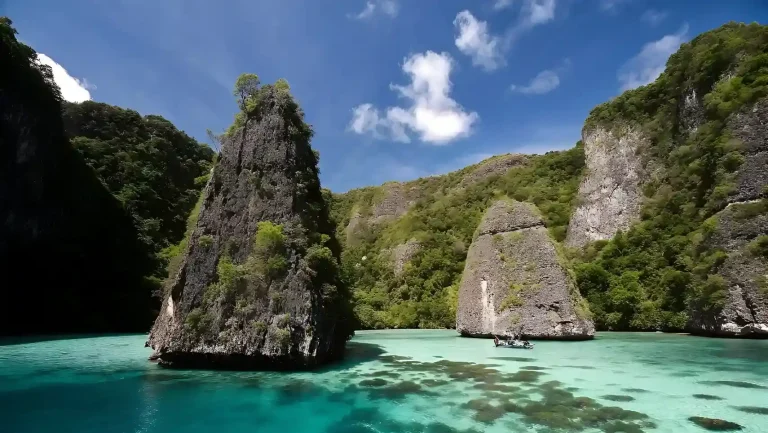
What is the Best Time of Year for Diving in Misool?
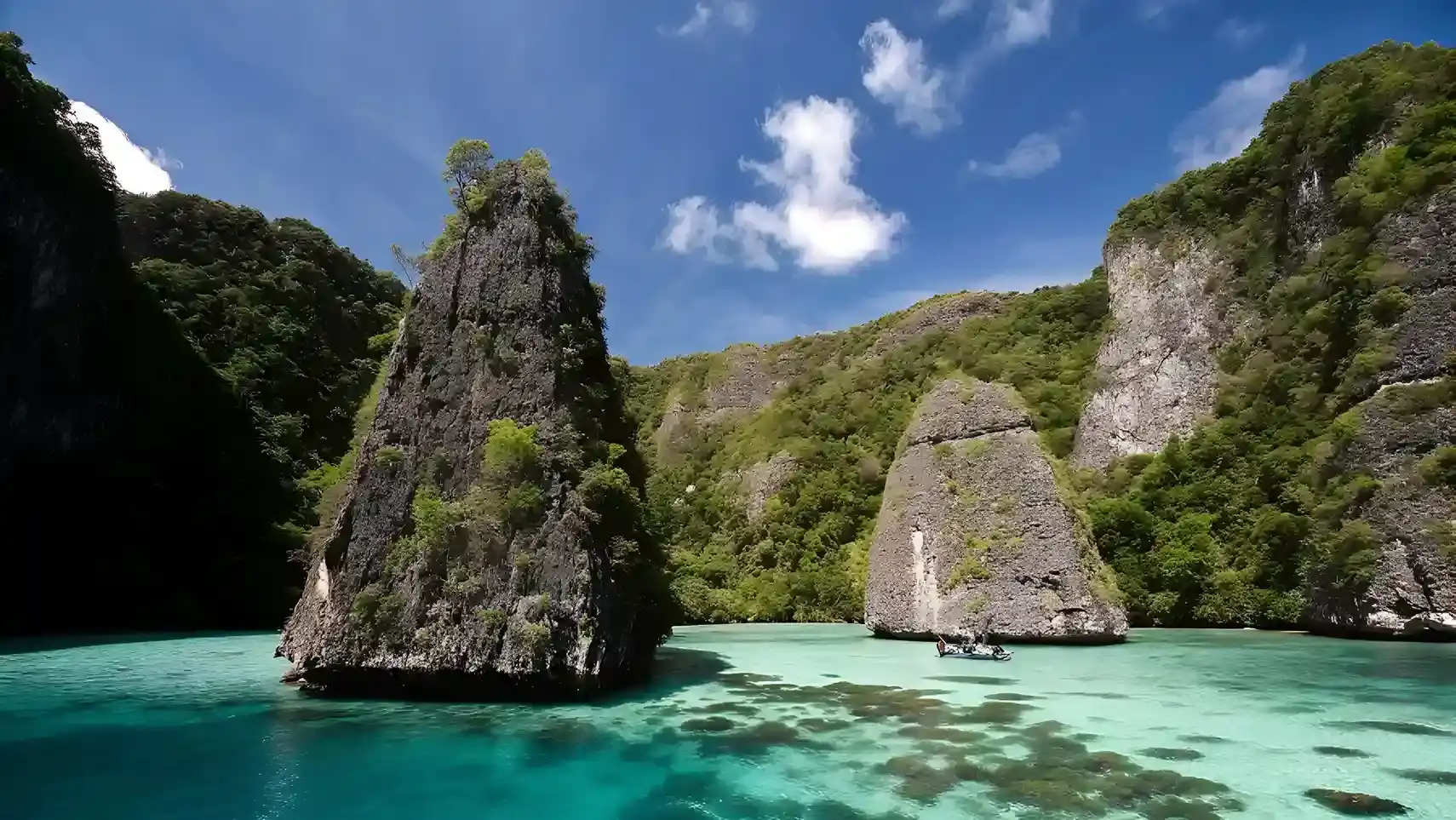
- Seas are at their calmest, with surface conditions often like glass.
- Underwater visibility peaks, frequently exceeding 30 meters.
- This season coincides with the highest concentration of manta rays at key cleaning stations.
What is the Best Time of Year for Diving in Misool?
The air is thick with the scent of salt and damp earth as the speedboat carves a white wake through turquoise water. Around you, a thousand emerald karst islands, sculpted by millennia of wind and water, rise vertically from the sea. You are in Misool, the southern jewel of Raja Ampat. The question isn’t whether you should dive here, but precisely when. As you check your regulator one last time and prepare to back-roll into the gin-clear water, you understand that timing, in a place this remote and wild, is everything. It is the difference between a great dive trip and an experience that redefines your understanding of the ocean itself.
Decoding Misool’s Dual Seasons: The Rhythms of the Monsoon
Unlike the four distinct seasons familiar to many of us, the equatorial climate of Misool, and Raja Ampat as a whole, is governed by two dominant monsoons. Understanding this binary rhythm is the first step in planning a successful expedition. The primary diving season, running from October to April, is dictated by the northwest monsoon. This period is Misool’s ‘dry season,’ a term that is somewhat relative this close to the equator, but which brings the most favorable diving conditions. The prevailing winds from the northwest generally leave the southern dive sites of Misool, where many of the legendary reefs are located, sheltered and calm. Water visibility during these months is at its zenith, often a crystalline 25 to 30 meters, and water temperatures are a consistent and comfortable 28-29°C (82-84°F). This is the season of placid seas, sun-drenched days, and explosive marine life activity, and it’s when premier operators like Misool Diving — Raja Ampat South Pristine Reef Expeditions focus their itineraries on this southern sanctuary.
Conversely, from May to September, the southeast monsoon takes hold, ushering in the ‘wet’ or windy season. The winds shift, bringing moisture from the Banda Sea and creating significantly choppier surface conditions, especially in the south. While diving is not entirely impossible, it becomes far more challenging and unpredictable. Many of the most celebrated dive sites become inaccessible due to rough seas, and visibility can be reduced by runoff and increased plankton in the water. For these reasons, most dedicated liveaboard operations suspend their southern Misool trips during these months, often relocating to the more sheltered central and northern regions of Raja Ampat. For those seeking the quintessential misool diving experience, focusing on the October-to-April window is not just a recommendation; it is an essential piece of advice.
The Peak Season Sweet Spot: An October to April Breakdown
While the entire seven-month dry season offers superb diving, certain periods within this window have their own unique character. As a travel editor, I’ve learned from dive masters and marine biologists that these subtle shifts can tailor the experience to a diver’s specific interests. The season begins in October and runs through December, a period I call ‘The Opening Act.’ The seas are rapidly calming after the winter winds, and the water column, freshly charged with nutrients, supports an astonishing biomass. This is when you’ll witness vast, swirling schools of fusiliers and jacks, so dense they can momentarily block out the sun. Visibility is typically superb, and the iconic oceanic manta rays begin to aggregate in greater numbers at cleaning stations like ‘Magic Mountain.’
The heart of the season, from January to February, is widely considered the absolute pinnacle. This is when you are most likely to encounter the famously flat, glass-like seas that make transiting between Misool’s 1,500 islands an experience of pure bliss. For underwater photographers, these are the money months. The combination of placid water, minimal current in many areas, and exceptional visibility provides the perfect canvas for capturing both wide-angle reefscapes and intricate macro subjects. The water is at its warmest, and the entire ecosystem seems to pulse with vibrant energy. It’s a time of sublime balance, offering the best of Misool both above and below the surface.
As the season draws to a close from March to April, conditions remain excellent, but a subtle change begins. You might experience a slight increase in plankton, which can sometimes reduce visibility by a few meters. However, as any seasoned diver knows, more plankton means more pelagic action. This is often the best time to witness feeding frenzies and an uptick in the presence of larger marine life drawn to the feast. It’s a fantastic trade-off and a thrilling way to cap off the diving season before the winds shift once more. This period offers a final, dramatic spectacle before the curtain falls for the summer.
Marine Life Encounters: Aligning Your Trip with Nature’s Calendar
The primary draw of Misool is its staggering biodiversity, a fact underscored by its location in the Coral Triangle, which hosts 75% of the world’s known coral species. However, the visibility of certain marquee species can be influenced by the time of year. For manta ray enthusiasts, the October to April window is non-negotiable. During these months, both oceanic mantas (with wingspans up to 7 meters) and their smaller reef manta cousins gather reliably at specific seamounts and submerged reefs that serve as cleaning stations. Divers can hover and watch as these gentle giants glide in, allowing cleaner wrasse to pick parasites from their bodies—a truly unforgettable spectacle.
Sharks are a constant and welcome presence in Misool’s healthy waters, a testament to the success of the 1,220 square kilometer Misool Marine Reserve. Blacktip, whitetip, and grey reef sharks patrol the reef edges year-round. However, the calm conditions of the peak season are most conducive for spotting the more cryptic species. On night dives, the flat, current-free bottoms are the best places to find the ornate Wobbegong shark and the fascinating, endemic Raja Ampat walking shark, which uses its pectoral fins to ‘walk’ across the seafloor. While the sharks are always there, the optimal season provides the best platform from which to find them.
The same principle applies to the macro world. Misool is a paradise for muck diving and macro photography, with a dizzying array of pygmy seahorses, flamboyant cuttlefish, and thousands of species of nudibranchs. These tiny critters are, of course, residents throughout the year. But spotting a Denise’s pygmy seahorse, no bigger than a grain of rice, on a swaying sea fan is infinitely easier when you aren’t fighting against a strong surge or struggling with 10-meter visibility. The placid seas of the dry season allow for the slow, methodical exploration required to appreciate these miniature marvels.
Navigating the Shoulder Seasons: A Calculated Gamble
What about the months that bookend the prime season, namely September and May? I often get asked by adventurous clients if these “shoulder seasons” are a viable option. The answer is a qualified yes, but it comes with caveats. September marks the transition from the southeast to the northwest monsoon. The winds can be unpredictable; you might be blessed with an early arrival of calm weather, or you might catch the tail end of the windy season. The reward for this gamble can be significant: fewer liveaboards in the area and a sense of having the reefs almost to yourself. It’s an option best suited for experienced, flexible divers who understand that a few dive sites might be off-limits.
Similarly, May is when the winds begin to shift back to the southeast. The first few weeks can still offer excellent diving, but the probability of encountering choppier seas and reduced visibility increases as the month progresses. Some operators will run their final southern itineraries in early May before heading north. This can be a good time to find last-minute availability or slightly lower prices. However, if your heart is set on experiencing Misool in its most idyllic state, and you are planning this once-in-a-lifetime trip far in advance, my professional advice is to aim squarely for the October-to-April corridor. The shoulder seasons are for the gamblers; the peak season is for the sure thing.
Expedition Logistics: Planning Beyond the Weather
Securing a spot on a top-tier liveaboard for a Misool expedition requires more than just watching the weather; it requires significant foresight. The world has taken notice of Raja Ampat, and the demand for quality diving experiences in the region is immense. For the peak season from October to April, it is standard practice to book your trip 12 to 18 months in advance. The best vessels, offering unparalleled service and expert dive guides, are often fully chartered more than a year out. A world-class misool diving journey is an investment in a rare experience, and planning should begin early.
The journey itself is part of the adventure. The gateway to Raja Ampat is the city of Sorong (SOQ) in West Papua. Most international travelers will fly into Jakarta (CGK) or Bali (DPS), then take a domestic flight to Sorong. From there, your liveaboard will typically handle all transfers. It is crucial to factor in this travel time and to be aware of your conservation responsibilities. All visitors to the region must purchase a Raja Ampat Marine Park Entry Permit, locally known as the PIN. The permit costs USD 53 for foreign visitors (USD 35 for Indonesian nationals, charged from age 12) and is valid for 12 months, with the proceeds directly supporting the patrols and community programs that protect this pristine environment, which is recognized by Indonesia’s official tourism board as a top diving destination and is on the UNESCO World Heritage Tentative List.
Quick FAQ: Your Misool Diving Questions Answered
What is the water temperature in Misool?
The water temperature is remarkably consistent, averaging 28-29°C (82-84°F) year-round. A 3mm full wetsuit is ample protection for most divers, though some who are prone to feeling the cold may prefer a 5mm, especially when doing three or four dives a day.
Can I dive in Misool during the summer months (June-August)?
It is generally not recommended. This is the peak of the southeast monsoon, which brings strong winds and rough seas to the southern archipelago. Most reputable liveaboard operators suspend their Misool itineraries during this period, as many of the premier dive sites become inaccessible and potentially hazardous.
Is there a “bad” time for macro photography?
While Misool’s macro life is prolific year-round, the diving conditions are not. The calm, clear waters of the October-April season make it significantly easier to conduct the slow, patient searches required to find and photograph tiny subjects like pygmy seahorses and ghost pipefish without being affected by surge or poor visibility.
How far in advance should I book my Misool trip?
For the prime diving season from October to April, it is essential to book 12 to 18 months in advance. The limited number of permits and the high demand for quality liveaboards mean that spots fill up exceptionally quickly. Spontaneity is not a luxury one has when planning a trip to this coveted destination.
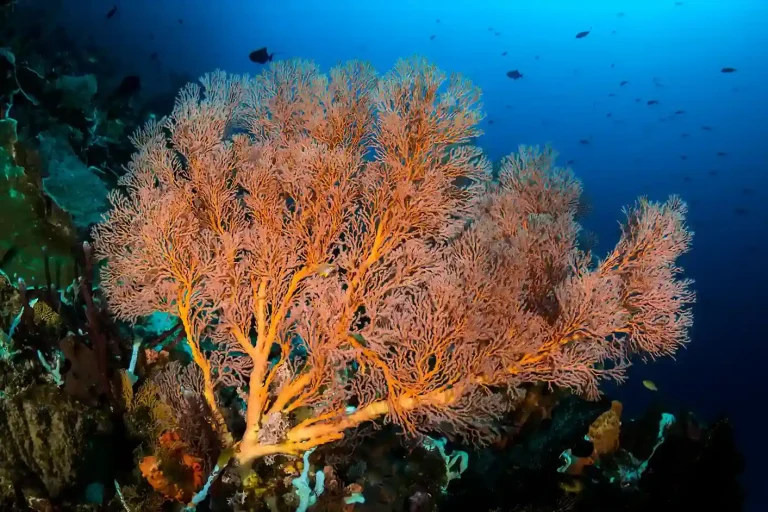
Ultimately, choosing when to visit Misool is about aligning your expectations with the rhythms of nature. For the diver seeking the sublime—calm turquoise seas, vibrant soft coral gardens illuminated by shafts of sunlight, and breathtaking encounters with pelagic giants—the answer is clear and unwavering. The months between October and April offer the most reliable and rewarding window to witness this underwater Eden at its absolute peak. The pristine reefs and unparalleled marine encounters of Misool await. To secure your place in the heart of the Coral Triangle during the prime season, explore the meticulously curated itineraries offered by Misool Diving — Raja Ampat South Pristine Reef Expeditions and begin planning the journey of a lifetime.
Keep Reading
Travel Journal
Best Misool Pinnacle Dives 2027: A Comprehensive Guide
Misool's pinnacle dive sites offer extraordinary biodiversity and stunning underwater landscapes, making them an essential part of any diving itinerary…
Travel Journal
Best Budget Options to Dive Misool 2027
For 2027, the best budget options to dive Misool include exploring shared accommodation packages and group diving deals at local…
Travel Journal
Exploring the Best Misool Wall Dives 2027: Unveiling Dramatic Underwater Topography
For those seeking the best Misool wall dives in 2027, head to the southern region of Raja Ampat. This area…