
Choosing the Best Misool Liveaboard for Underwater Photography
- A spacious, climate-controlled camera room with individual stations.
- Small diver-to-guide ratios (ideally 4:1) for unfettered access to subjects.
- Flexible dive schedules and expert guides who double as photographic spotters.
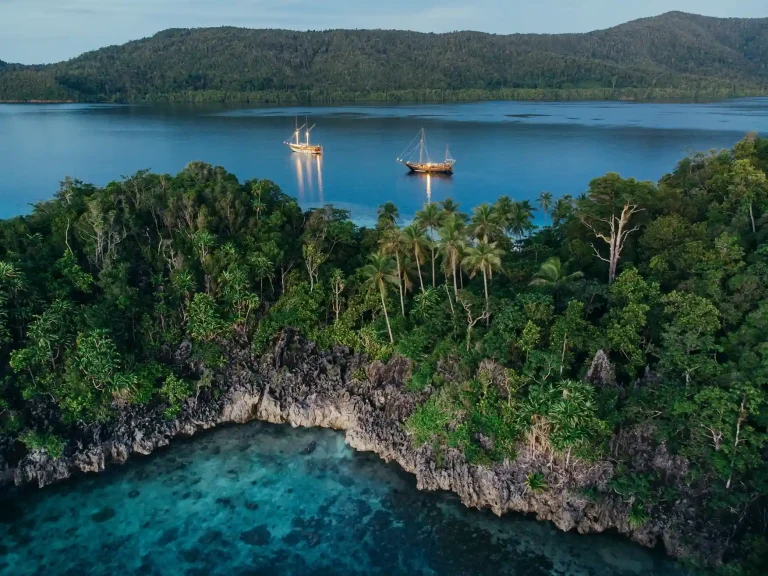
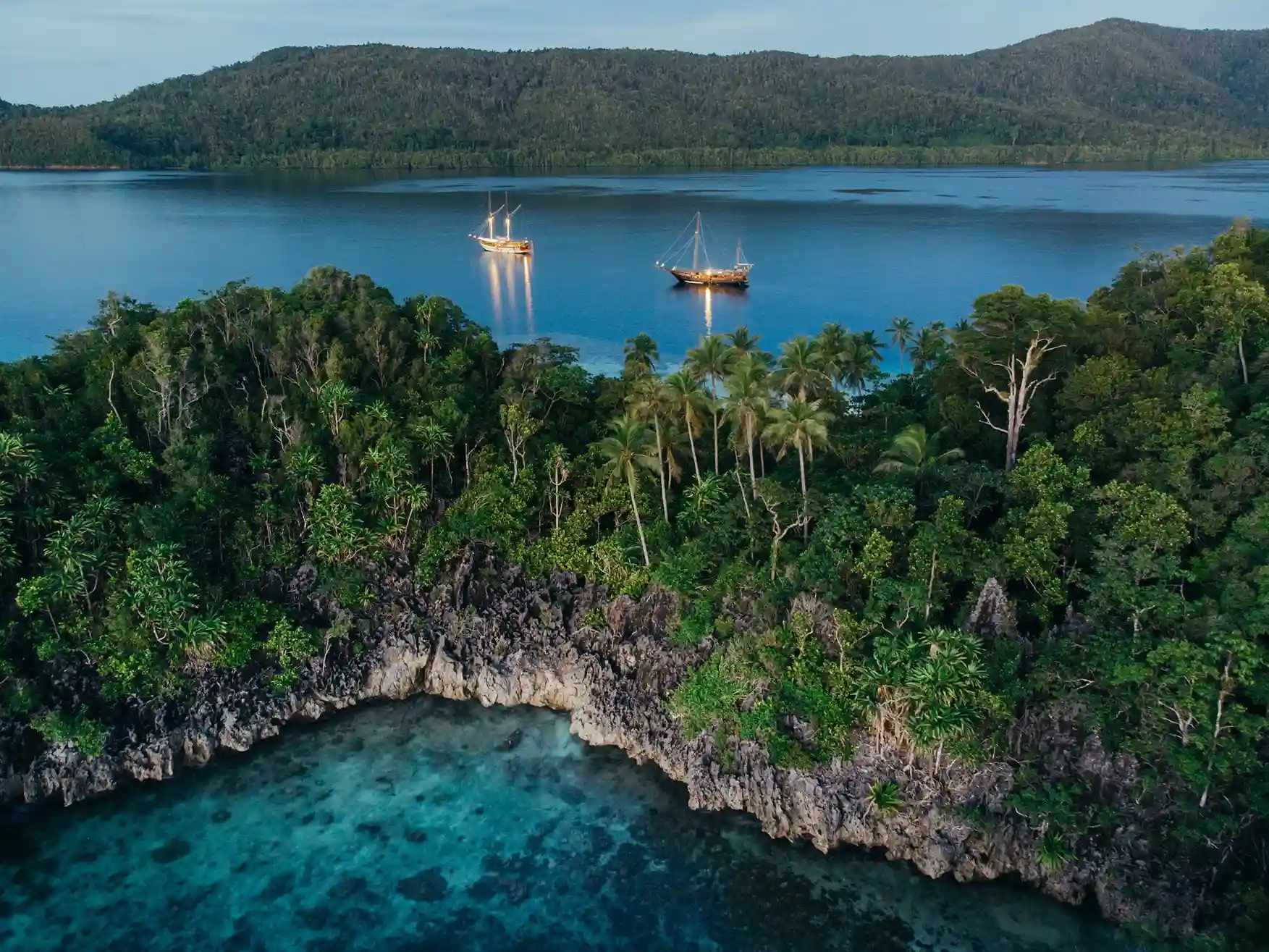
The phinisi sways with a gentle, rhythmic cadence against the black, star-dusted waters of the Seram Sea. In the salon, the low hum of a laptop fan is the only sound accompanying the quiet clicks of your trackpad. On the screen, the day’s work materializes: a pygmy seahorse, no bigger than a grain of rice, perfectly camouflaged on a Muricella gorgonian. A fever of mobula rays, their wingtips catching the last of the afternoon light. This is the culmination of a Misool expedition, where every element, from the pre-dawn briefing to the careful handling of your camera housing, is calibrated for capturing the definitive image. For the serious underwater photographer, the choice of vessel is not an incidental detail; it is the most critical decision you will make, shaping every frame you capture in Raja Ampat’s southern realm.
Beyond the Itinerary: Defining a ‘Photography-First’ Liveaboard
Any liveaboard can take you to iconic Misool sites like Magic Mountain or the Boo Windows. A true photography-centric vessel, however, understands that the destination is only half the equation. The other half is the platform itself—the floating studio from which you operate. According to Alex Dawson, a veteran underwater photographer with over 50 expeditions to his name, “The first thing I look at isn’t the dive deck, it’s the camera room. If it’s an afterthought, a shared table in a high-traffic area, I know the operator doesn’t truly understand a photographer’s needs.” The non-negotiables are clear: a dedicated, dry, and climate-controlled space is paramount. Individual bays for each photographer, equipped with both 110v and 220v charging stations, are essential. High-pressure air guns for drying equipment and dedicated, freshwater-only rinse tanks for camera gear—kept separate from the communal rinse bins for wetsuits and BCDs—are hallmarks of a superior operation. This level of specialization often comes at a premium; expect a photography-focused charter to cost 15-20% more than a standard trip.
The Camera Room: Your Onboard Digital Darkroom
Let’s delve deeper into the anatomy of an exceptional camera room. It is far more than a place to store gear. It is a workspace, a clean room, and a creative hub. Space is the ultimate luxury. A well-designed room allows 8 to 10 photographers to assemble their housings, change lenses, and service o-rings without feeling cramped. Ample, well-placed lighting—soft, diffused, and free of glare—is critical for spotting dust or moisture before a dive. Many top-tier vessels now include backlit workstations specifically for inspecting o-ring seals. Stability is another crucial, often overlooked, factor. A traditional Indonesian phinisi, with its broad beam and deep keel, often provides a remarkably stable platform, minimizing the subtle but persistent rolling that can make delicate camera maintenance a frustrating exercise. The average underwater photographer’s kit, including housing, strobes, and arms, can weigh over 15 kilograms, and having a secure, organized station is not a luxury but a necessity. The best Misool diving expeditions recognize this, building their entire operational flow around the sanctity of the camera room and the precious equipment it holds.
Dive Operations Tailored for the Lens
The distinction of a photography liveaboard becomes most apparent once the dive bell rings. The entire dive operation is re-engineered around the specific, often slower, pace of underwater imaging. The single most important factor is the diver-to-guide ratio. A standard 6:1 or even 8:1 ratio is simply unworkable for serious photography. You need a 4:1 ratio, and ideally 3:1. This ensures your guide is not just a navigator but a dedicated spotter and an active participant in your creative process. They become your second pair of eyes, finding the cryptic critters and anticipating the movements of larger animals. Furthermore, the dive plan itself must be elastic. While a recreational group might aim to cover 500 meters of reef in an hour, a photographer might spend that entire time in a 10-square-meter area, patiently waiting for a jawfish to emerge with its clutch of eggs. A photography-first operation embraces this, allowing for extended, patient dives focused on a single subject. This philosophy extends to the guides themselves, who are trained to understand light, composition, and how to position themselves so as not to spook a subject or kick up silt. As a region with staggering biodiversity, confirmed by its place on the UNESCO World Heritage Tentative List, having a guide who can navigate this complexity for the camera is invaluable.
Itinerary Intelligence: Chasing Light and Tides
A superior photography itinerary is a masterclass in logistics, light, and marine biology. It’s not just about a sequence of dive sites; it’s about arriving at each site at the precise moment of peak potential. This means scheduling dives to coincide with the angle of the sun. For instance, visiting a site known for its dramatic swim-throughs, like the Cathedral at Goa Farondi, is best done mid-morning when shafts of light penetrate the cavern ceiling, creating ethereal, cinematic scenes. Conversely, a blackwater dive to capture bioluminescent plankton and bizarre larval creatures is a post-sunset affair, requiring specialized lighting and a crew experienced in this unique discipline. Tides are another critical variable. The tidal exchange in Raja Ampat can exceed two meters, and this movement of water is the engine that drives the ecosystem. A savvy dive director will plan to be at a channel site like Nudi Rock or Whale Rock on an incoming tide, when nutrient-rich waters attract schooling fish and their predators. This deep, localized knowledge transforms a good trip into an extraordinary photographic expedition. This nuanced approach to scheduling is a core principle of any premier misool diving charter designed for photographers.
The Human Element: A Crew That Understands the Craft
Ultimately, the hardware and itinerary are only as good as the people executing the plan. The crew of a photography liveaboard is a specialized team. This underwater etiquette is a learned skill. The crew on the dive tenders are equally vital. They must be trained in the careful handling of heavy, expensive camera systems, passing them gently into and out of the water. On board, the small details matter: a dry towel waiting for you, a fresh battery for your strobe charger, and a cruise director who actively facilitates photo review sessions in the evening. These sessions are invaluable, fostering a collaborative environment where guests can share techniques and learn from one another. This human-centric approach is what elevates the experience, ensuring that every one of the more than 1,700 species of fish recorded in Raja Ampat, as documented by sources like Wikipedia, is a potential subject for a perfect photograph.
Quick FAQ for the Discerning Photographer
What is the ideal trip length for a Misool photography expedition?
For a dedicated photography trip in Misool, 10 to 12 nights is the optimal duration. This provides ample time to settle in, allows for repeat dives at productive sites, and builds in a buffer for potential weather disruptions. A standard 7-night charter often feels rushed for photographers who prefer a more patient and methodical approach to their craft.
Should I choose a steel-hulled vessel or a traditional phinisi?
While modern steel-hulled vessels offer space and speed, many photographers prefer the character and stability of a well-built wooden phinisi. Their traditional design, often featuring a wider beam for their length, provides an exceptionally stable platform at anchor, which is a significant advantage when working on sensitive camera equipment. The final choice depends on the specific vessel’s design, age, and maintenance record, not just the hull material.
How much extra should I budget for a photography-focused liveaboard?
You should anticipate a premium of 15-25% over a standard recreational liveaboard. For a 10-night trip, this might translate to an additional $1,000 to $1,500. This added cost directly funds the specialized facilities, smaller group sizes, more experienced guides, and the operational flexibility that are essential for a successful photo trip. The investment pays dividends in the quality of your images and the overall experience.
What about macro vs. wide-angle opportunities in Misool?
Misool is a target-rich environment for both disciplines, which is why it is celebrated by the official tourism portal of Indonesia. The vast, vibrant soft coral gardens and dramatic seascapes are a wide-angle photographer’s dream. Simultaneously, the incredible biodiversity offers a lifetime of macro subjects, from pygmy seahorses and ghost pipefish to an endless variety of nudibranchs. The best Misool diving itineraries are carefully balanced to provide dedicated opportunities for both styles of photography.
Choosing the right liveaboard is as fundamental to your success as selecting the right lens. It is a decision that sets the stage for every creative choice you make underwater. It’s an investment not just in a vacation, but in your art. For photographers committed to capturing the profound beauty of Raja Ampat’s southern jewel, the expedition truly begins the moment you select your vessel. Explore our curated misool diving expeditions, meticulously designed by photographers for photographers, and ensure your next journey yields your most compelling work yet.
Keep Reading
Travel Journal
Best Misool Pinnacle Dives 2027: A Comprehensive Guide
Misool's pinnacle dive sites offer extraordinary biodiversity and stunning underwater landscapes, making them an essential part of any diving itinerary…
Travel Journal
Best Budget Options to Dive Misool 2027
For 2027, the best budget options to dive Misool include exploring shared accommodation packages and group diving deals at local…
Travel Journal
Exploring the Best Misool Wall Dives 2027: Unveiling Dramatic Underwater Topography
For those seeking the best Misool wall dives in 2027, head to the southern region of Raja Ampat. This area…