Skip to content
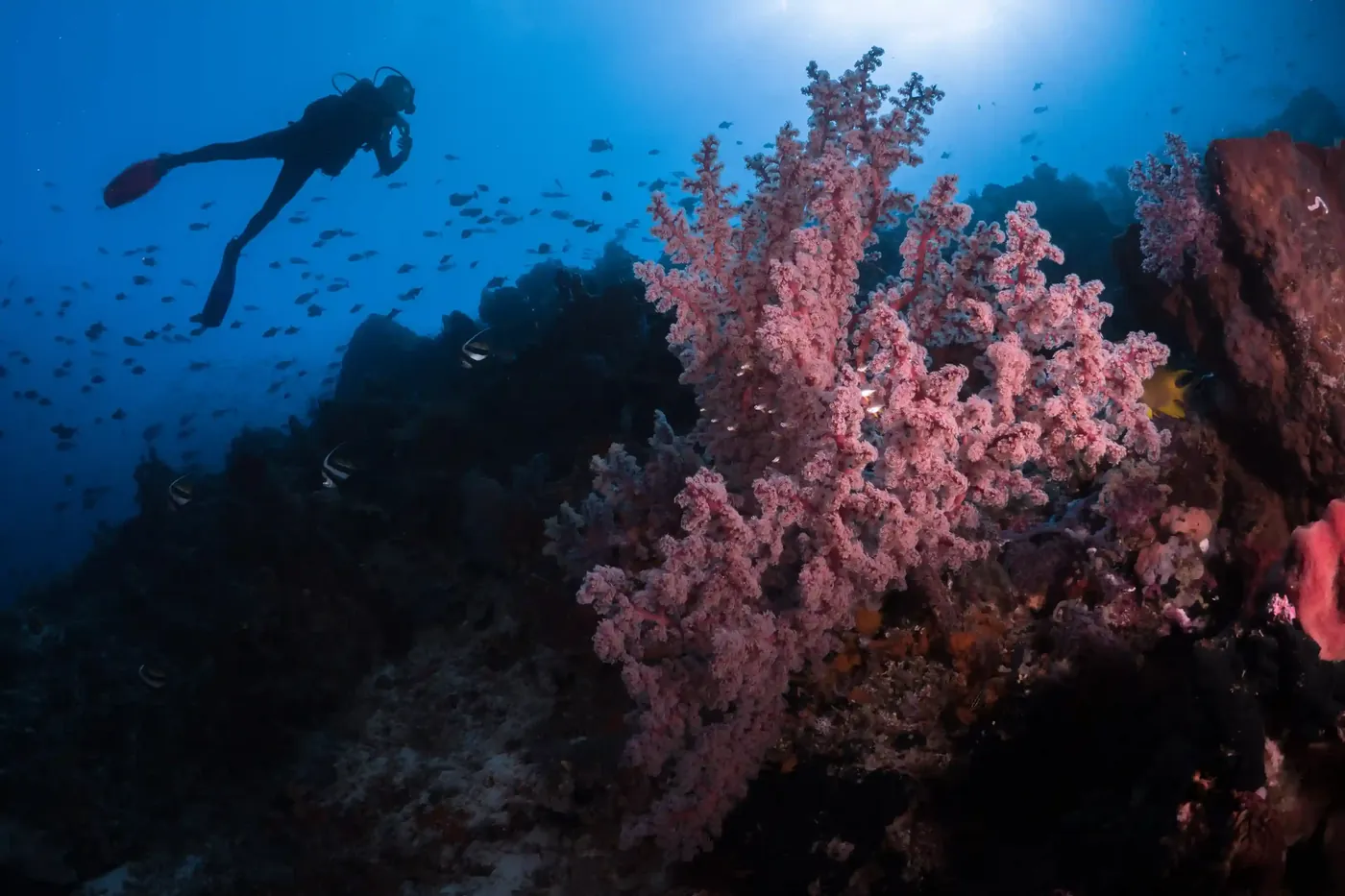
A diver above a reef wall thick with pink Dendronephthya soft coral, schooling fish in the blue behind

Silo 5 · About us

The Reef Pays for Its Own Protection

A no-take zone only works while somebody patrols it. Two per cent of every package price goes to the rangers who do.

of every package price to ranger patrol
2% of every package price to ranger patrol
reserve, protected since 2005
1,220 km² reserve, protected since 2005
biomass recovery in a decade
250% biomass recovery in a decade
single-use plastics aboard
Zero single-use plastics aboard

The honest position

Flying People to a Remote Reef Has a Cost

There is no version of this business that is carbon-neutral by accident. Guests fly two legs and a boat burns fuel, and pretending otherwise would be the easiest lie on this page. What can be said honestly is narrower and more useful: the reserve that makes this diving worth the journey is patrolled because dive money pays for it, the boat does not put plastic in the water, and the crew are largely from the islands the reef belongs to.

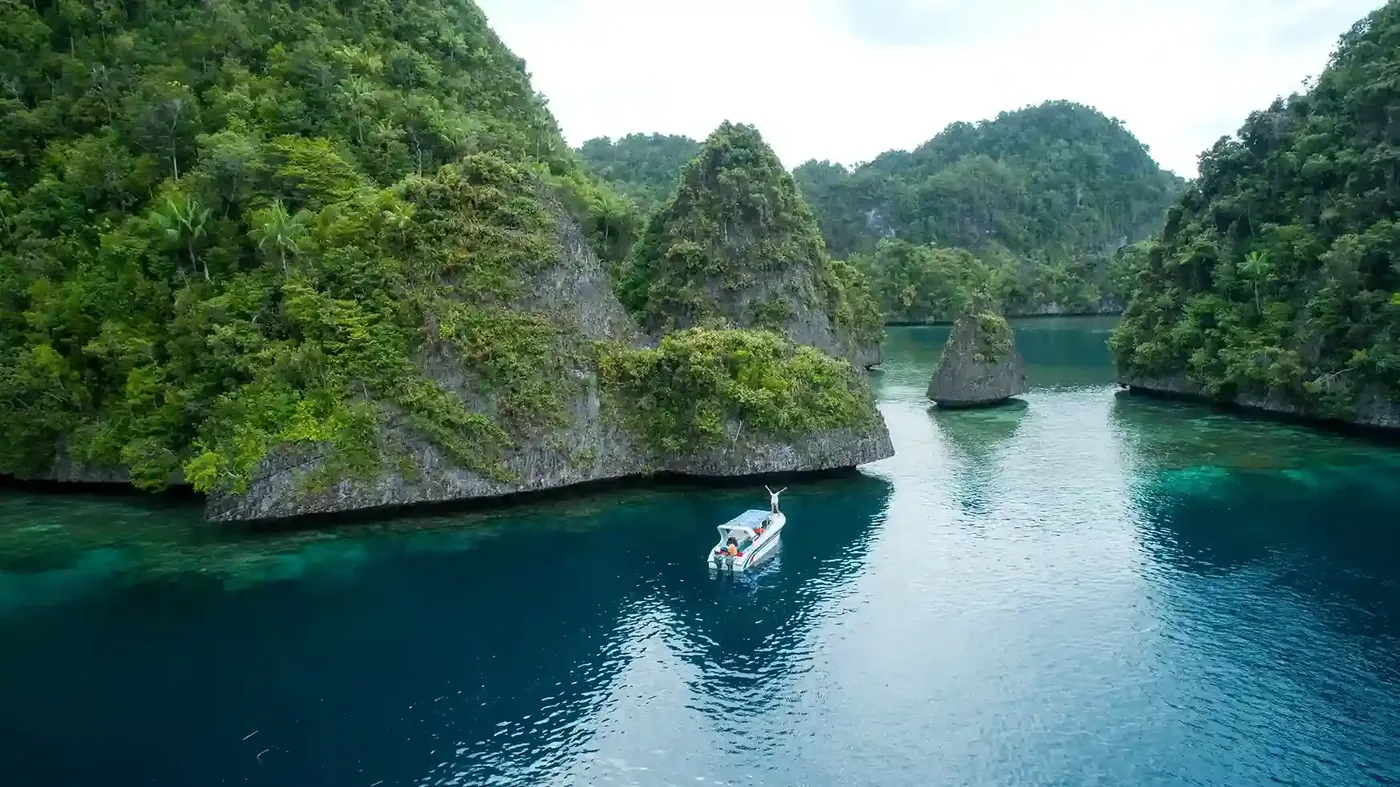
A tender running the narrow channel between two towering jungle-topped limestone walls
Ranger patrol
2% of every package price to the Misool Foundation
Waste
Advanced treatment aboard; nothing untreated overboard
Plastics
No single-use plastics carried or served
Crew
Native-Papuan captains and local crew, with progression
Anchoring
Moorings and drift pickups rather than anchoring on reef
Park fees
Marine park permit arranged for every guest, no exceptions

What we fund and change

Six Commitments, and Their Limits

Each of these is something that can be checked, or stopped, or measured.

What lives here
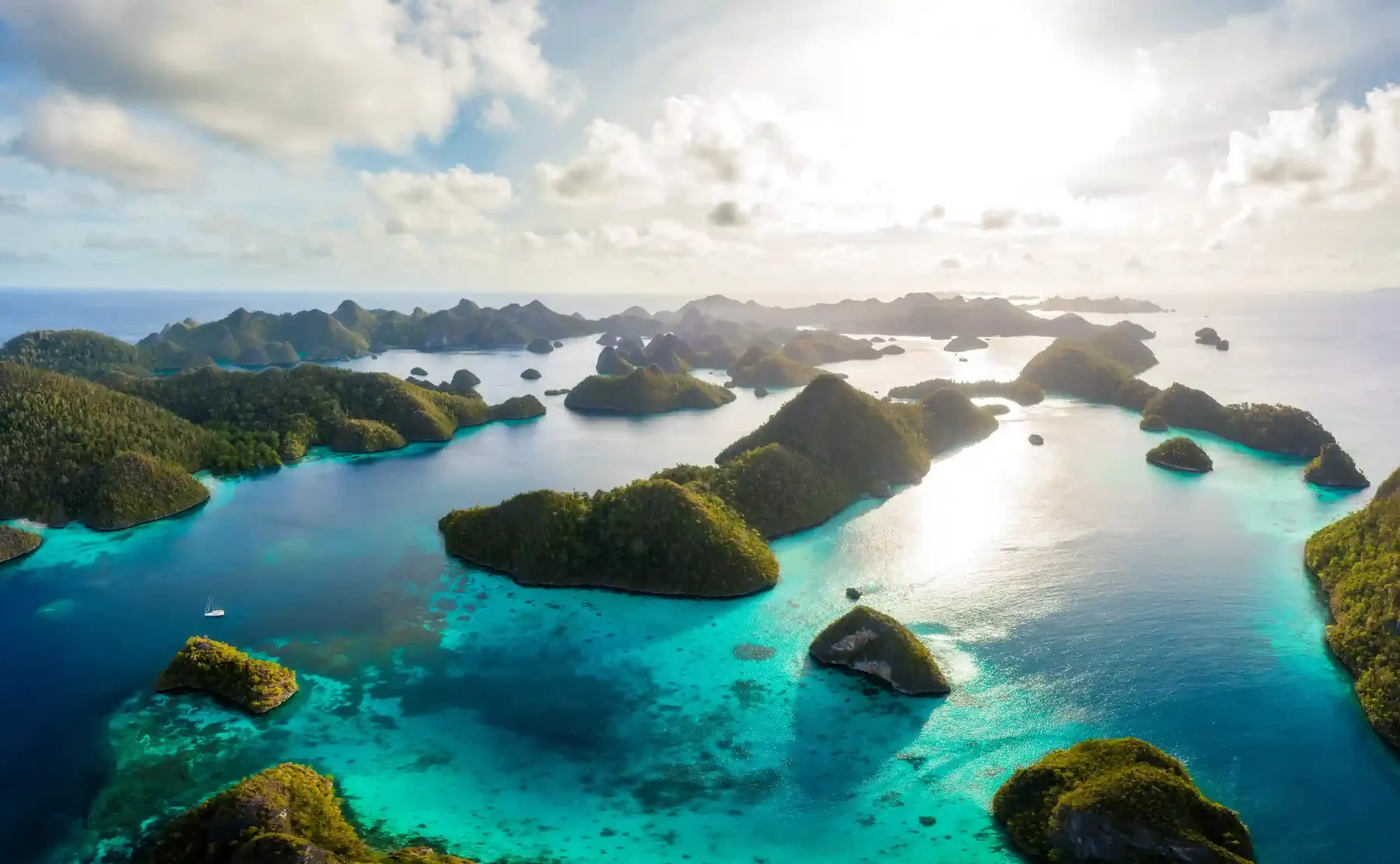
Sunlight breaking over the limestone karst islands and turquoise lagoons of Raja Ampat, seen from the air

Ranger patrol funding

2% of every trip

Two per cent of every package price goes to the Misool Foundation's ranger patrol. The 1,220 km² reserve has been a no-take zone since 2005 and fish biomass measured 250% higher after a decade — that recovery is what patrolling buys.
Marine park permits

never waived

Every guest aged twelve and over needs the Raja Ampat entry pin, USD 35 for Indonesian nationals and USD 53 for foreign visitors. It funds ranger salaries and community programmes. It sits outside the package price — we arrange it and itemise it rather than burying it or looking for a way around it.

No single-use plastics

aboard, absolutely

Nothing single-use is carried or served. Guests are asked to leave it at home too — the reserve takes it seriously and so does the crew.

Waste treatment

aboard

Advanced treatment systems on the boat. In a labyrinth of sheltered channels with limited flushing, what a boat discharges matters more than it does in open water.

Local employment

crew and progression

Native-Papuan captains who have worked these channels their whole lives, and local crew with a route upward rather than a permanent floor. Money spent in the region should stay in it.

Carbon: what we will not claim

the limit

Guests fly two legs to reach us and the boat burns fuel. We are not going to call that neutral. Fuel use and routing are managed to reduce it, and that is the extent of the honest claim.

The Misool Foundation is an independent organisation. Our contribution funds its ranger patrol; it does not make us a partner in, or a spokesman for, its wider work.

How this is enforced

Three Places It Shows Up

A commitment that changes nothing operationally is a slogan.

In how we vet

Conservation carries 30% of the partner evaluation — the second-largest weight after safety.

Our methodology

In what you pack

Reef-safe sunscreen and no single-use plastics are packing instructions, not suggestions.

Packing guide

In what we publish

Including refusing to claim carbon neutrality we cannot evidence.

Editorial standards

Where to go next

What It Protects

The reef this pays for.

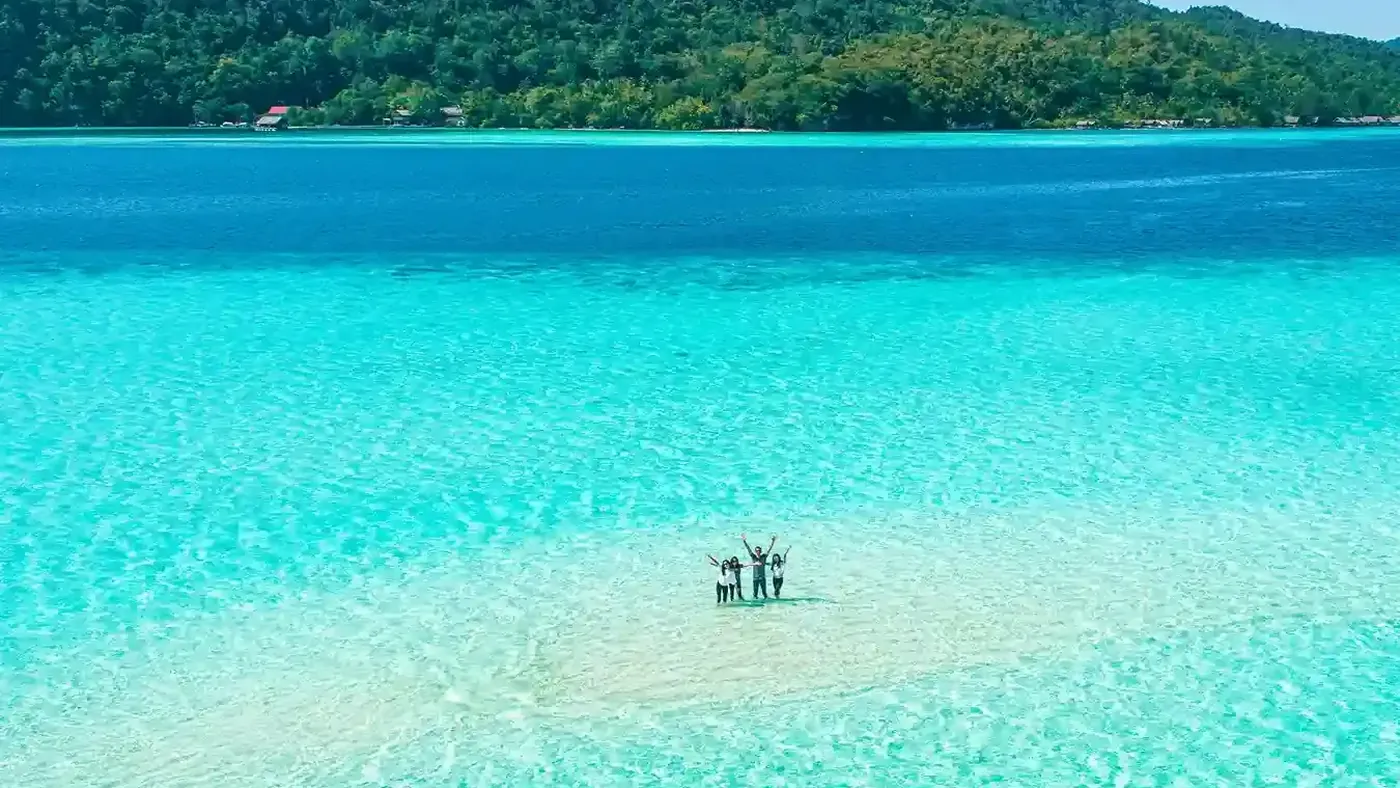
A pale sandbar surfacing in shallow turquoise water, with a jungle-covered island beyond

Silo 2

What lives on the reefs

Mantas, soft coral forests and the macro life the walls are known for.

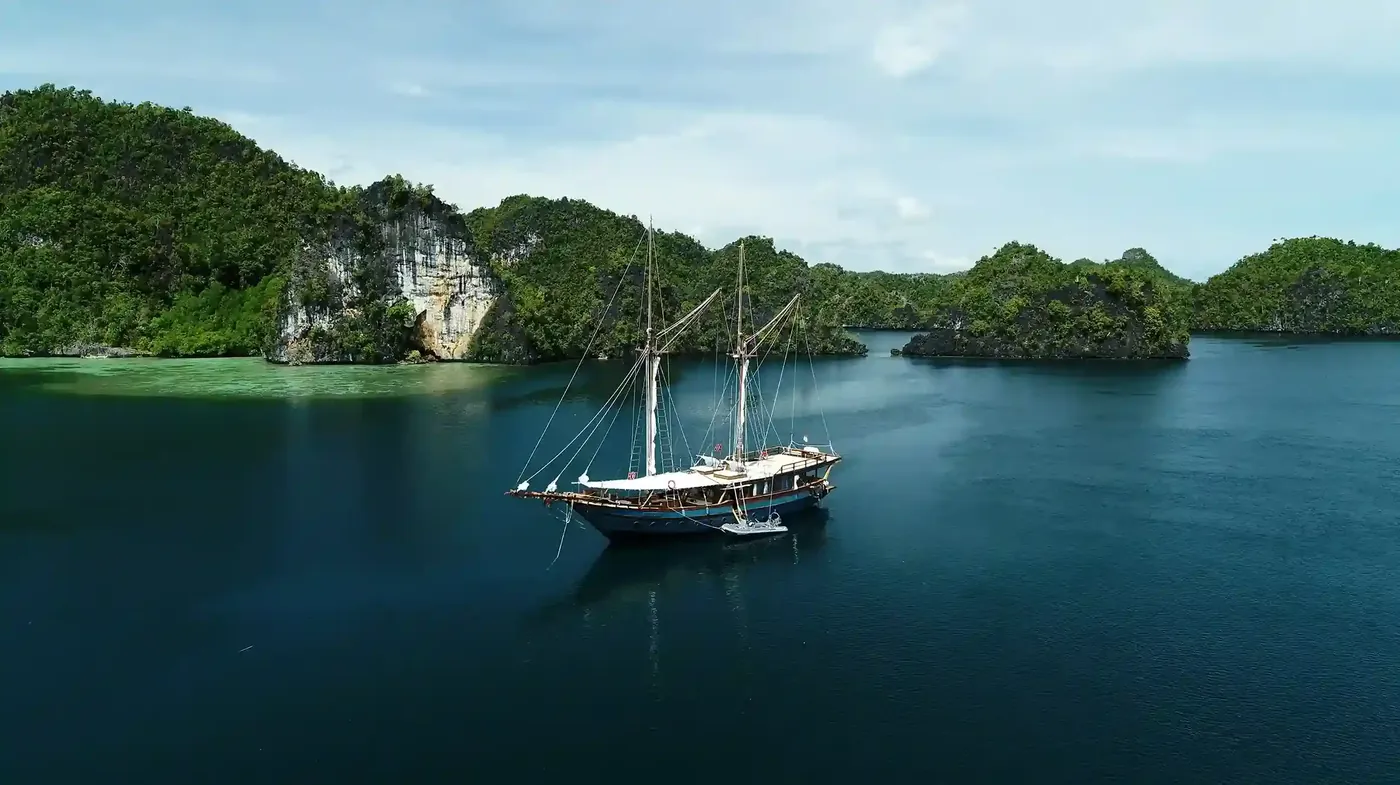
A masted phinisi lying at anchor in still water below the forested cliffs of Raja Ampat

Silo 2

The dive sites

Seven sites, all of them inside the reserve.

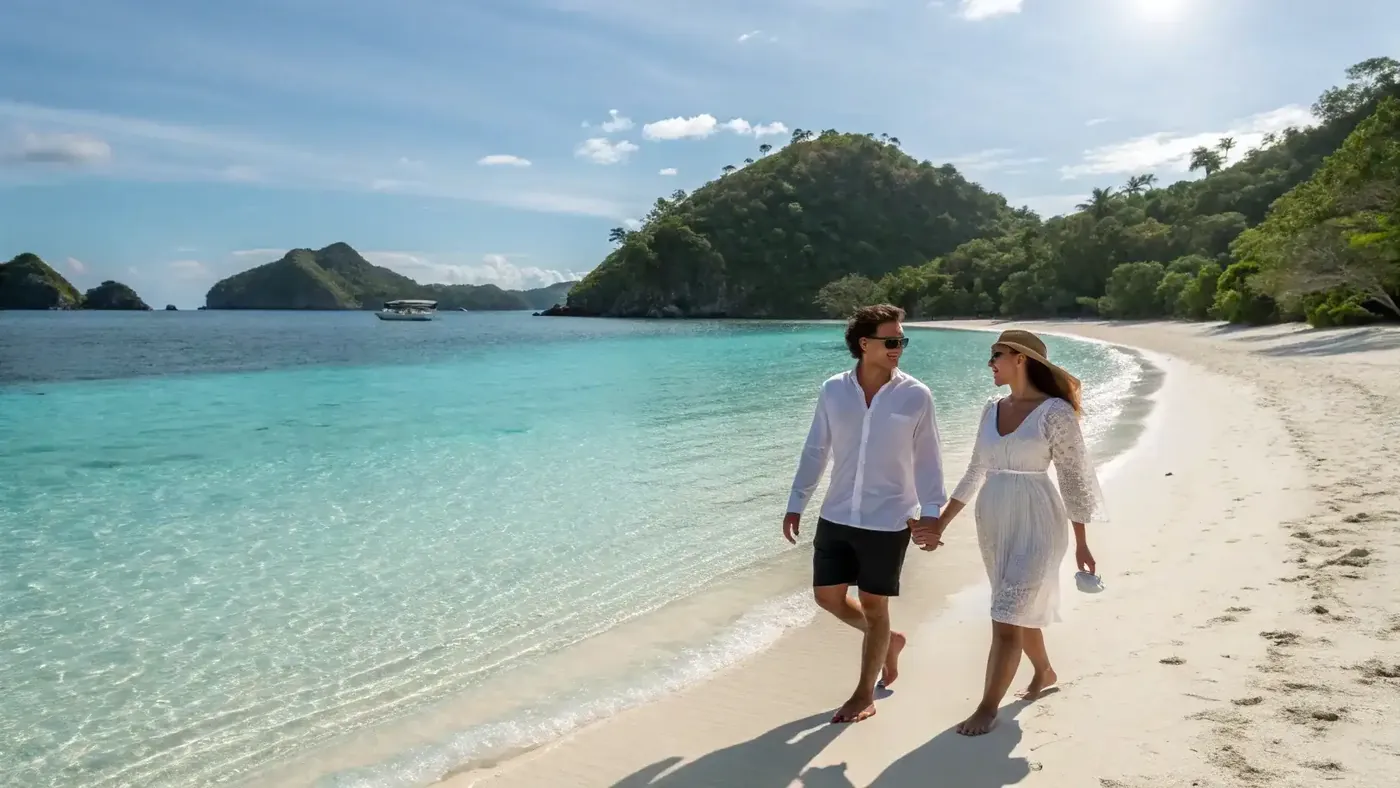
Two guests walking a quiet white-sand beach, karst headlands and moored boats behind them

Silo 5

About the company

One region, one vessel, and why that is the point.

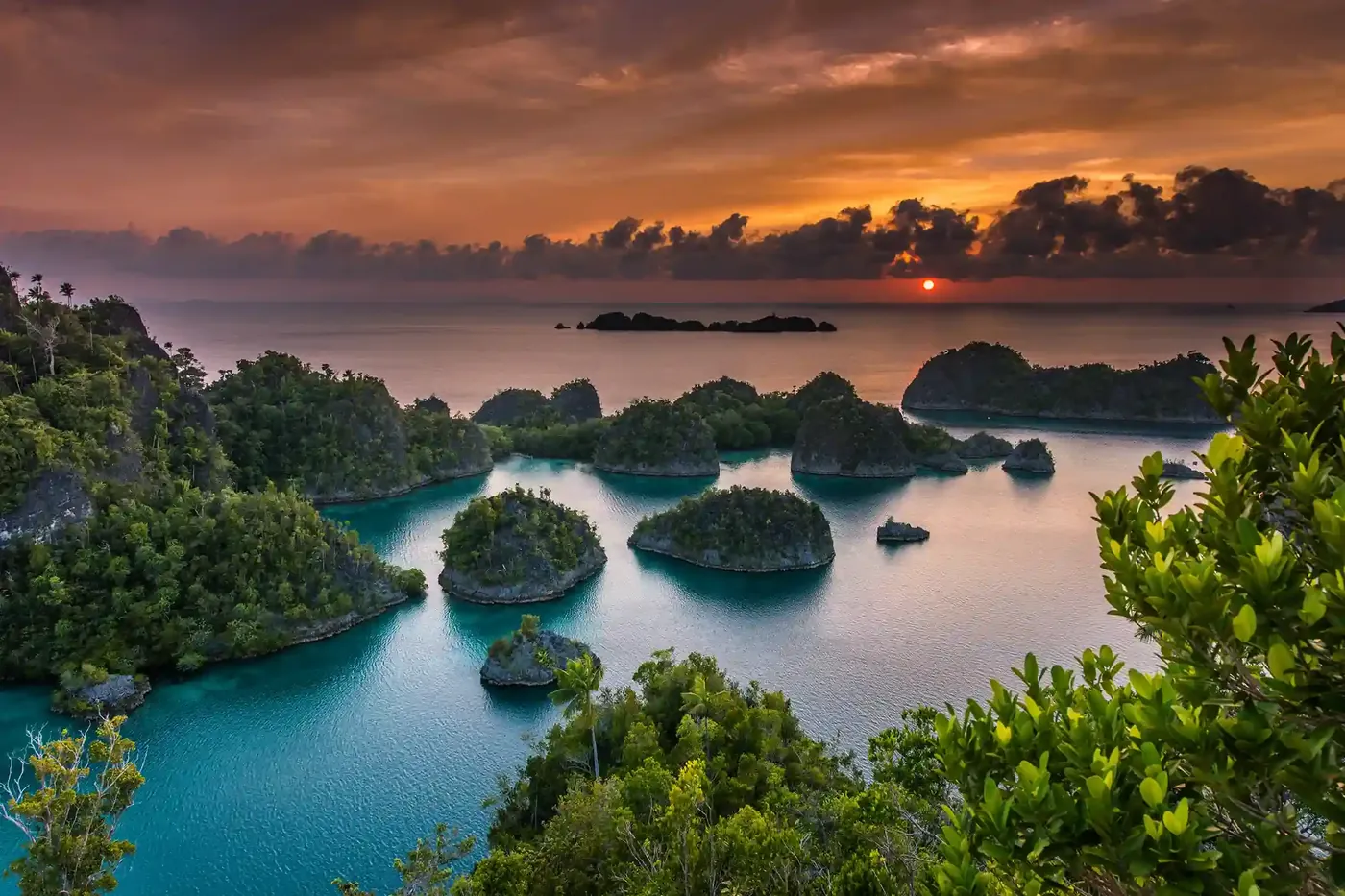
Sunset over the karst islands and still lagoons of Piaynemo, the sky burning orange above the ridgeline

Ready when you are

Ask the Awkward Question

If a commitment on this page looks like marketing rather than practice, ask us to evidence it. That is a fair thing to want.